Last updated November 25, 2026
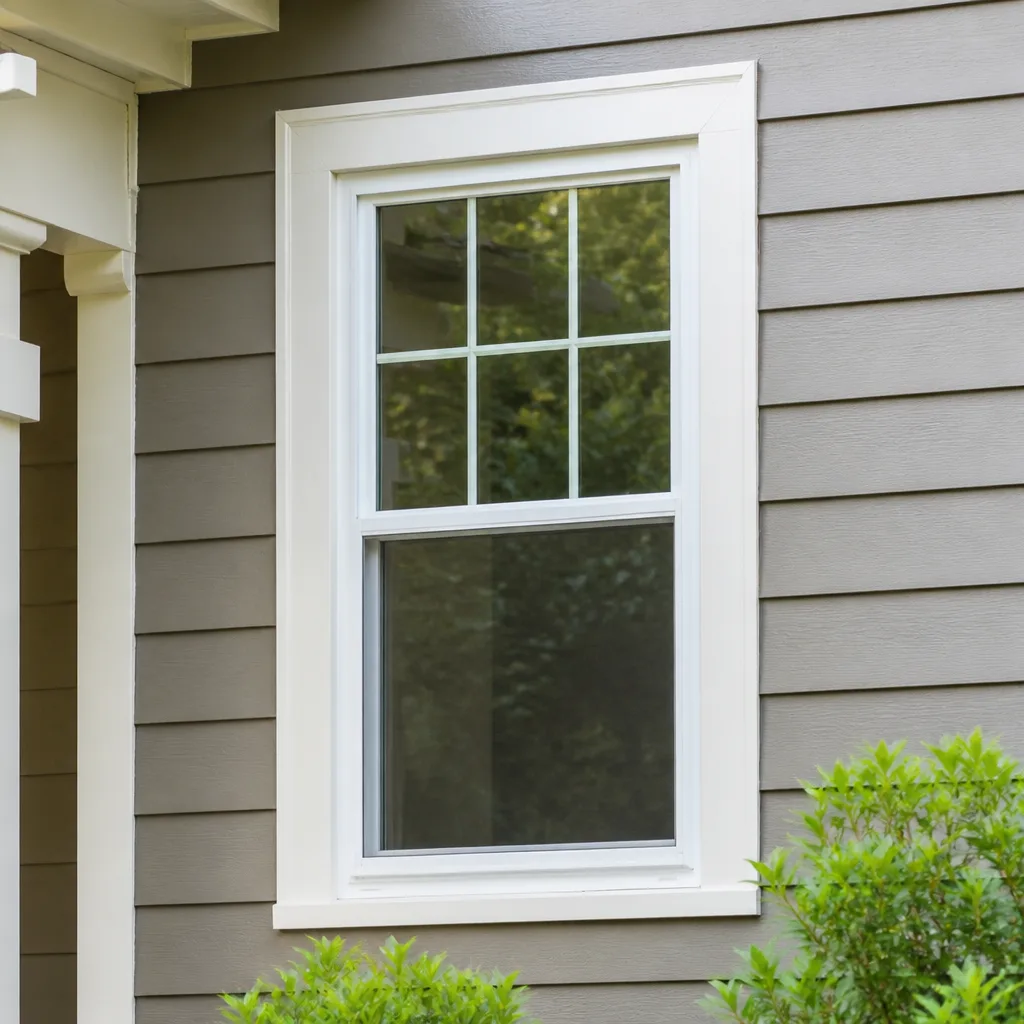 Single hung
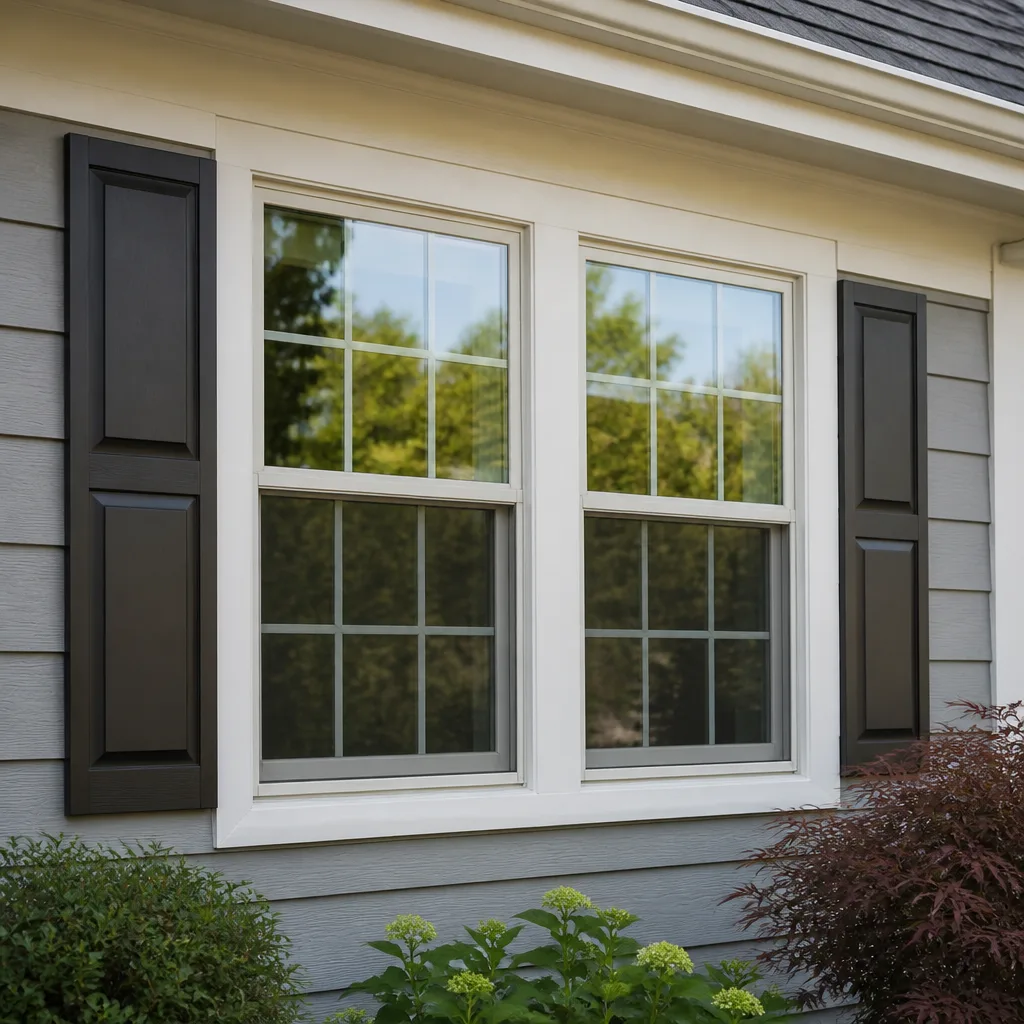 Double hung
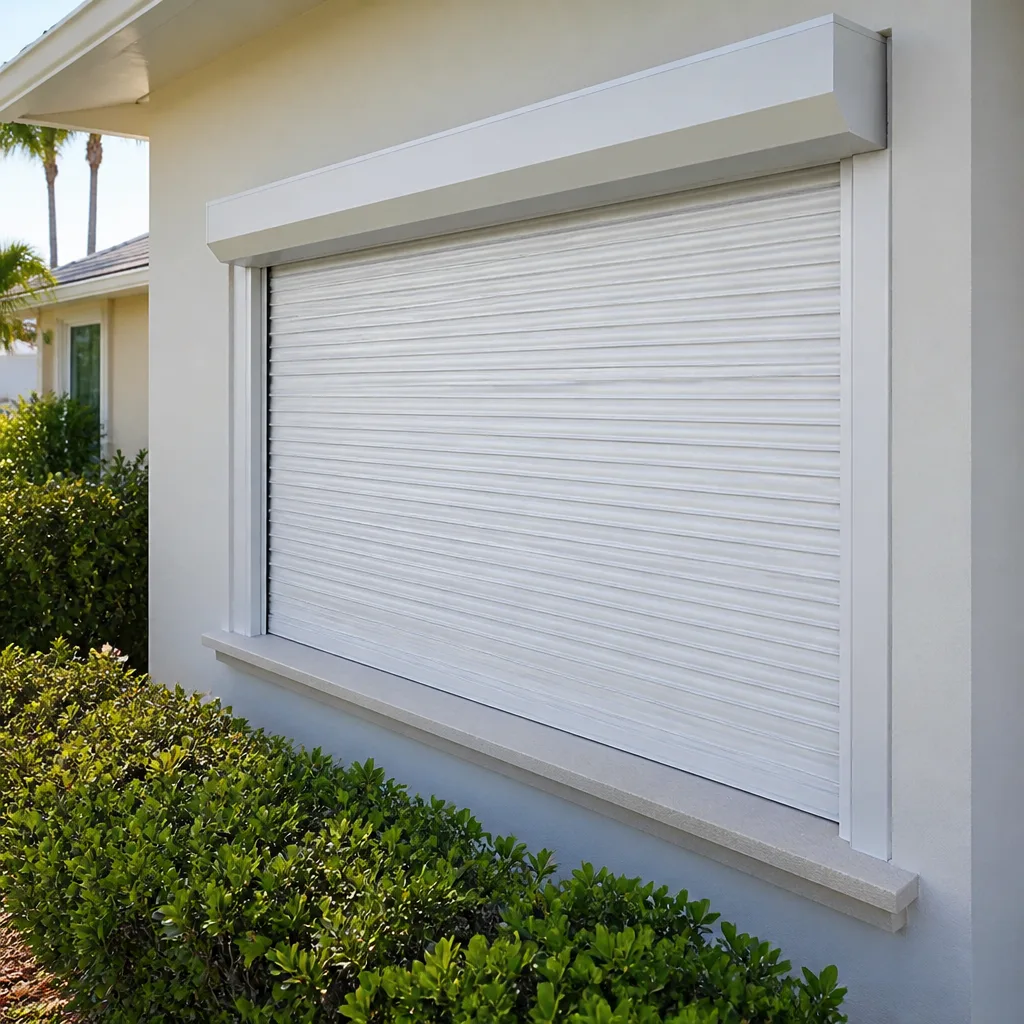 Horizontal roller
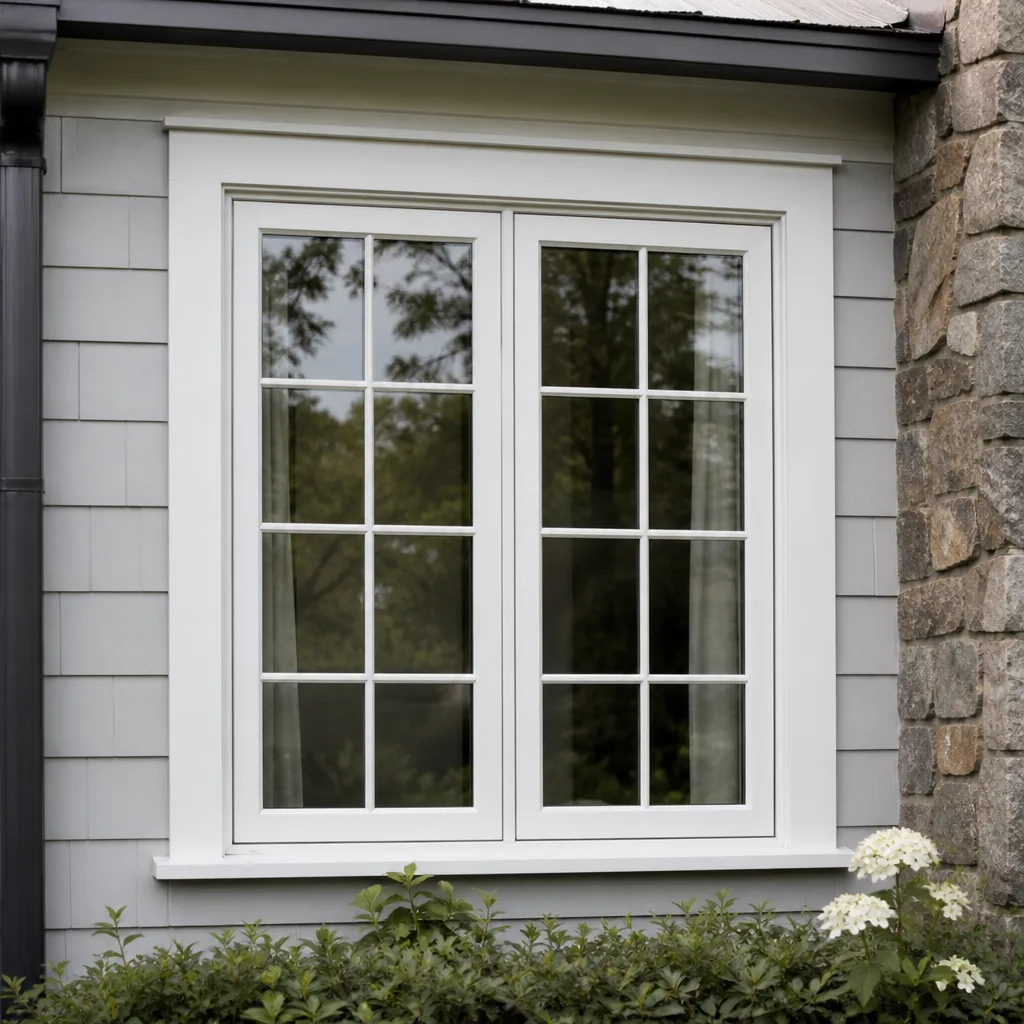 Casement
 Bay & bow
 Sliding glass doors
 Entry doors
 Impact garage doors
 PGT
 CGI
Free in-home measure and quote - PGT, CGI and CWS impact lines compared on your actual openings, style by style
Get your free estimateWindow Replacement Maintenance Checklist for Rancho Cordova Homeowners
The most expensive window damage in Rancho Cordova usually isn’t a broken pane. It’s the slow, invisible kind: hard water spotting from Sacramento-area tap water that etches into unprotected glass and locks in permanently within about 18 months. Most homeowners only notice when scrubbing stops working, and by then the surface is gone. This guide is a working maintenance checklist built around the specific failure patterns we actually see on Rancho Cordova homes after 5, 10, and 15 years under intense valley sun and dry-season dust. You’ll get pass/fail criteria you can use this weekend, real timelines, and clear signals for when a window is past maintaining and ready for replacement.
Quick Answer
Check your Rancho Cordova windows four times a year: inspect glass for hard-water etching before it bonds, test seals on south- and west-facing units as they age past five years, clear weep holes before the wet season starts, and look for stress marks on vinyl frames after the long hot summer. Glass etching and failing seals are the two problems that can’t be cleaned or reversed, so early detection decides whether you’re maintaining a window or shopping for a new one.
Styles & brands we work with
- Single hung
- Double hung
- Horizontal roller
- Casement
- Bay & bow
- Sliding glass doors
- Entry doors
- Impact garage doors
- PGT
- CGI
Table of Contents
- Why Rancho Cordova Windows Fail Differently
- Hard Water Mineral Deposits: Inspection and Treatment Schedule
- UV-Driven Seal Degradation: The 5, 10, and 15-Year Timeline
- Weep Hole and Drainage Channel Inspection for Dry and Wet Season
- Vinyl Frame Stress Marks After 100°F+ Summers: Cosmetic or Structural?
- The Seasonal Maintenance Cycle
- The One-Page Pass/Fail Checklist
- Glass and Hardware Cheks You Can Do in Ten Minutes
Why Rancho Cordova Windows Fail Differently
Rancho Cordova sits in the Sacramento Valley, and that position fills the calendar with two things most maintenance guides ignore: extreme summer solar exposure and water with real mineral content. A window facing west onto an open stretch of the valley floor can take a full day of direct sun, and the municipal water sitting on that glass after sprinkler overspray or a quick rinse leaves behind calcium and magnesium that slowly bond to the surface.
Coastal homeowners deal with salt and fog. Rancho Cordova homeowners deal with UV dose and mineral scale, and the two together wear a window down on a schedule that’s fairly predictable once you know what to look for. Our technicians have up to 13 years of experience watching that schedule play out across Rancho Cordova neighborhoods, and the pattern holds remarkably steady.
Here’s what that means in practice:
- Sun-heavy exposures age fastest. South- and west-facing glass collects the most UV hours and degrades sooner than shaded north-facing panes.
- Water contact matters more than water volume. A little sprinkler drift on the same pane repeatedly does more damage than a lot of rain falling evenly once a season.
- Dry-season dust keeps grit in tracks. Valley dust collects in a drainage channel and turns into an abrasive paste the first time it gets wet, which is why we tell people to clean tracks before the wet season, not after.
- Heat cycling stresses frames. Repeated weeks at 100°F+ followed by cooler nights works on vinyl more than on wood or fiberglass.
None of this is gloom and doom. It’s just the local reality, and knowing it lets you check the right things at the right time. If any of it is already past the point of maintenance, a look at our window replacement options will tell you what a new unit does differently.
Hard Water Mineral Deposits: Inspection and Treatment Schedule
Sacramento municipal water carries enough dissolved minerals that repeated contact leaves a film on glass. Left alone, that film etches into the surface, and once it’s etched, no cleaner or razor blade brings the glass back. The good news is that mineral deposits are easy to catch long before they bond, if you actually look on a schedule.
Inspect
Do a visual inspection every month or two on glass that gets wet from irrigation, hose spray, or splashback near a pool or patio. Hold a flashlight at a low angle to the pane; bonded mineral shows up as a faint cloudy haze or a rainbow sheen that doesn’t move when you wipe it. Pay closest attention to the lower panes and any window within splash distance of a sprinkler head, since overspray concentrates minerals right where the water lands.
Pass / Fail criteria
- Pass: Water beads and sheets off cleanly; haze wipes off with a damp microfiber cloth.
- Caution: Haze returns within a week or two of cleaning, or a light white ring stays behind after wiping. Treat it now.
- Fail: The haze stays put after a gentle vinegar-and-water wipe, or you can feel a slight roughness under a fingertip. That’s etched, not dirty, and it won’t polish out. Plan on replacement of that pane or unit.
Treat
- Rinse the glass first with plain water to lift loose grit.
- Apply a diluted mild acid glass cleaner or a 50/50 white vinegar and water mix to a small test corner, never full strength, and let it sit only briefly.
- Wipe with a clean microfiber cloth, then rinse thoroughly and dry.
- Adjust irrigation so it stops hitting the glass. Reducing the source beats scrubbing the symptom every time.
If you’re replacing a water-etched pane, it’s worth asking for a glass coating or a low-maintenance surface on the new unit so the same problem doesn’t return. When you compare products across brands like Mr-Glass or ViewLux, ask that question directly. The correct answer is always about the water, not the cleaner.
UV-Driven Seal Degradation: The 5, 10, and 15-Year Timeline
Every insulated glass unit in Rancho Cordova carries a sealed edge, and that seal is the part most sensitive to sustained UV exposure. South- and west-facing windows absorb the most sun, which is why a west window takes the same seal wear a shaded north window might take several years longer. Our technicians have watched this timeline closely, and it’s a useful planning tool.
- Years 1-5: Seals are healthy and should pass a visual inspection cleanly. The priority here is maintenance: clean tracks, catch water spotting, and keep an eye on the frames. Almost nothing fails structurally in this window.
- Years 5-10: This is where sun-heavy panes start to show the first signs. Look for a faint cloudy or foggy band at the bottom edge of the glass, or a fine filmy haze that won’t wipe off. Fog between the panes is the tell that the seal has failed, and if it appears, no amount of wiping will help because you can’t reach that space.
- Years 10-15: Failing seals become more common on west- and south-facing units, and by this point many Rancho Cordova homeowners are comparing repair-free replacement options. The payoff of catching it early is knowing whether the whole unit needs to go or just one pane, and that decision is best made with a professional eye.
How to check your seal
- Look at the glass at a low angle in daylight; fogging between panes is the clearest sign of seal failure.
- Run a fingertip along the interior and exterior edge of the sealed glass unit and feel for a soft or slightly mushy perimeter.
- Check for condensation inside the glass after a cool morning, not just outside.
- Note which direction the window faces and how many hours of direct sun it takes; that tells you how fast the clock is ticking on that pane.
If a seal test fails, the unit is done and no cleaner changes that. Seal failure is a replacement decision, and our window installation team can set a new pane or full unit. There’s no mid-season repair for a bad seal, so make a new seal the goal. We install units from brands like PGT and CGI when performance matters, and matching the new window to the exposure it faces matters more than picking a single brand.
Weep Hole and Drainage Channel Inspection for Dry and Wet Season
Weep holes are the small slots at the bottom of a window frame that let water drain out. When they clog, water backs up behind the frame and works into the wall, and in a Rancho Cordova summer the same channels are crammed with dry-season dust just waiting for the first fall rain to turn it into paste. This is why the inspection schedule should follow the seasons, not the calendar months.
Dry season (late spring through early fall)
- Clear weep holes and drainage tracks with a soft brush or a vacuum on a low setting; never poke them with a screwdriver, which widens and distorts the slot.
- Flush the track with a light spray of water and watch where it exits. If it pools instead of draining, the channel is still blocked.
- Check that the track is clear of small debris: valley dust, plant material, and dried grass all pack in tight.
Wet season (fall through early spring)
- After the first heavy rain, check every drainage channel for standing water; pooling is the pass/fail line.
- Look at the interior sill under each window for moisture, a damp smell, or a water stain, which means water is getting behind the frame instead of out.
- Confirm that weep holes you cleared in summer are still open after a season of rain.
A window that fails the wet-season drainage check isn’t a cleaning problem anymore; it’s a water-intrusion problem, and it deserves a professional look. If your frames are sound but the drainage design is the weak point, newer sliding and window units handle drainage better. That’s one reason our door replacement work includes sliding patio doors, where a sealed drain track makes a real difference to a west-facing wall.
Vinyl Frame Stress Marks After 100°F+ Summers: Cosmetic or Structural?
Vinyl is the most common frame material on Rancho Cordova homes, and repeated summers of 100°F+ days followed by 60°F nights work the material a little more than a coastal climate would. The result is stress marks: whitish or faintly cloudy patches along the frame, usually on the sun-facing side or near a corner. The good news is that most of what you’ll see is cosmetic, but not all of it.
Cosmetic (no action needed)
- Faint whitening or chalky haze on the sun-facing face that wipes away or fades with a light cleaner.
- Fine surface scratches in a frame that still feels solid and doesn’t flex when pressed.
- Color variation on a single frame, or a slight sheen change where the strongest sun hits.
Worth a professional look
- Any crack that you can see daylight through, or a gap at a welded corner.
- A frame that flexes or feels soft under pressure, especially near the sill.
- Warping that keeps the glass from closing or locking properly.
- Stress marks that cluster around hardware fasteners, which can signal movement.
Check the frame by pressing firmly along the edge and corner seams and looking straight down the length of the frame for a bow. Run the sash open and closed a few times; if it binds or a corner separates, that’s no longer cosmetic. A cracked frame lets air and water through and is the point where you should stop maintaining and start comparing options. That’s also the moment to ask about framing choices across brands like ViewLux and others in our portfolio, since not every product handles long hot-summer cycles the same way.
The Seasonal Maintenance Cycle
Month-by-month schedules fall apart in Rancho Cordova because the calendar here has two real seasons, not four tidy ones. The local cycle runs dry (dust, sun, irrigation) and wet (rain, splashback, drainage pressure). Inspect on the changeover and you’ll catch nearly everything on time.
- End of dry season: Clean glass and frames, clear weep holes and drainage tracks, and do a low-angle glass inspection for bonded mineral film.
- The first wet week: Check for standing water in tracks, damp interior sills, and any fogging inside panes, which runs higher after a cool rainy stretch.
- Mid-dry season: Re-check sun-facing glass for spotting and vinyl frames for new stress marks, since the hottest stretch is when both show up.
- Before the next summer: Confirm seals and frames still pass, and decide whether anything that failed earlier in the year is ready to replace.
Two checks per year, done thoroughly at the right moments, replace twelve rushed ones done at the wrong time. That’s the whole point of tying maintenance to the seasons here.
The One-Page Pass/Fail Checklist
This is the checklist you can print, tape to the fridge, and actually use. Each line is a pass-or-fail test, not a vague “look for damage.” If any line fails, that item needs a professional look or planning for replacement.
- Glass surface: Pass if haze wipes away clean; fail if it stays after a gentle vinegar wipe or feels rough.
- Glass interior: Pass if clear all the way through; fail if foggy or cloudy between panes.
- Seals: Pass if the sealed edge feels firm and the glass shows no inner moisture; fail if the edge feels soft or any interior condensation appears.
- Weep holes: Pass if they drain when flushed; fail if water pools in the track.
- Interior sill: Pass if dry after heavy rain; fail if damp, stained, or musty.
- Vinyl frame: Pass if solid under pressure and corners are tight; fail if it flexes, cracks, or a corner separates.
- Operation: Pass if the sash opens, closes, and locks smoothly; fail if it binds, sticks, or won’t lock.
- Hardware: Pass if screens and locks sit snug; fail if loose or missing.
Record the date on each failed line. It tells you how fast a problem is progressing and whether you’re looking at normal aging or something that needs action. If two or more lines fail on the same window, that window is a candidate for replacement rather than more maintenance.
Glass and Hardware Checks You Can Do in Ten Minutes
The fastest checks are the ones you actually do. Ten minutes with the checklist and a flashlight catches most of what matters, and it’s the difference between spending a little to maintain a window and spending a lot to replace one.
- Look through the glass at an angle. Fog inside the pane is the single clearest replacement signal there is.
- Wipe the worst panes with a damp cloth. Stubborn marks mean minerals have bonded.
- Press the frame edges firmly. Any give, flex, or gap needs a closer look.
- Open and close each sash and slide each screen. Binding tells you the frame or hardware has moved.
- Check the interior sill after rain. Dampness behind the frame is a drainage failure, not a cleaning issue.
If a few of these fail on windows that are already a couple decades old, maintenance has done its job and the honest next step is comparing new units. Window Replacement Rancho Cordova installs windows and doors only, across brands including PGT, Therma-Tru, and ViewLux, so the choice is matched to your home and not the other way around.
Common Mistakes to Avoid
- Using full-strength acid or a razor blade on bonded mineral film. Scraping an already etched pane only makes the scratch permanent, and strong acids can damage the neighboring seal. Rinse and start gentle, not aggressive.
- Pressure-washing window edges to blast away dirt and hard water. A high-pressure nozzle drives water into the sealed edge and weeps, which is the fastest way to fail a good window. Wash glass by hand and keep the spray off the frame.
- Cleaning tracks only after the wet season. That’s backward for this climate. Clear them before the rain, when the dust is dry and easy to remove, not after it’s turned to mud.
- Confusing fog between panes with exterior haze. Exterior haze wipes off; fog between panes doesn’t, because you can’t reach it. One is a cleaning task, the other is a replacement decision.
- Poking weep holes clear with a screwdriver. It widens and distorts the slot, and a distorted slot drains worse than a dusty one. Use a soft brush or a vacuum.
- Ignoring a cosmetic-looking frame crack. A crack you can see through lets water in and can spread quickly once it starts. Have it looked at before it becomes a wall problem.
- Rewriting the maintenance schedule for a coastal climate. Salt and fog schedules don’t apply here. Build your checklist around valley sun and municipal water minerals instead.
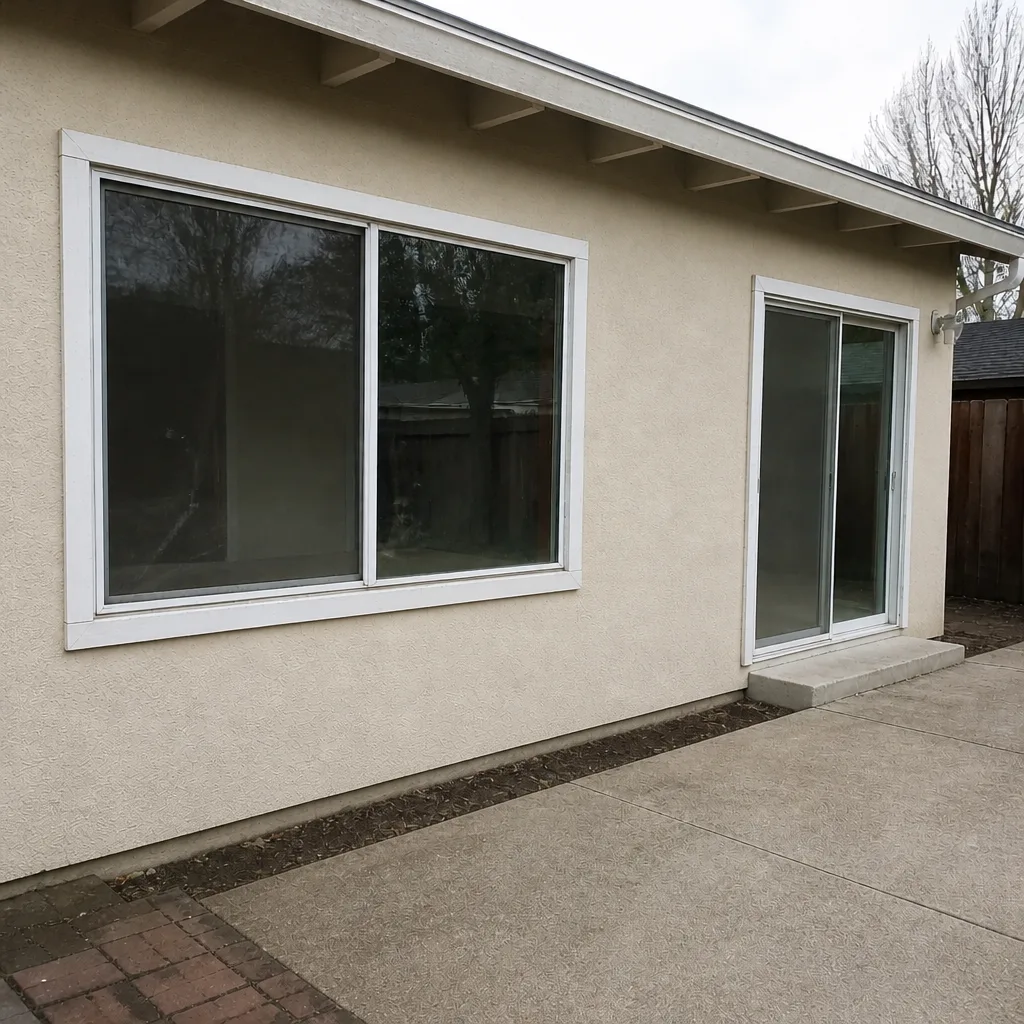
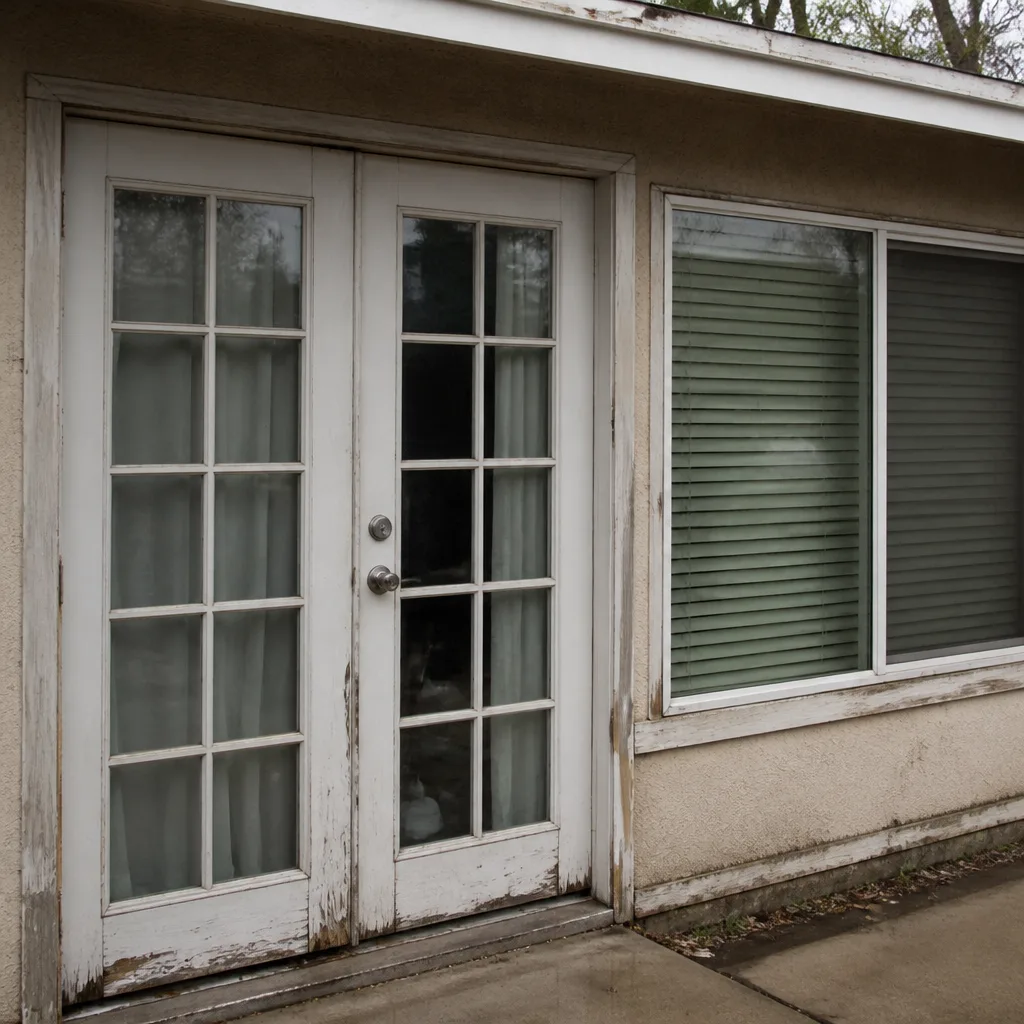
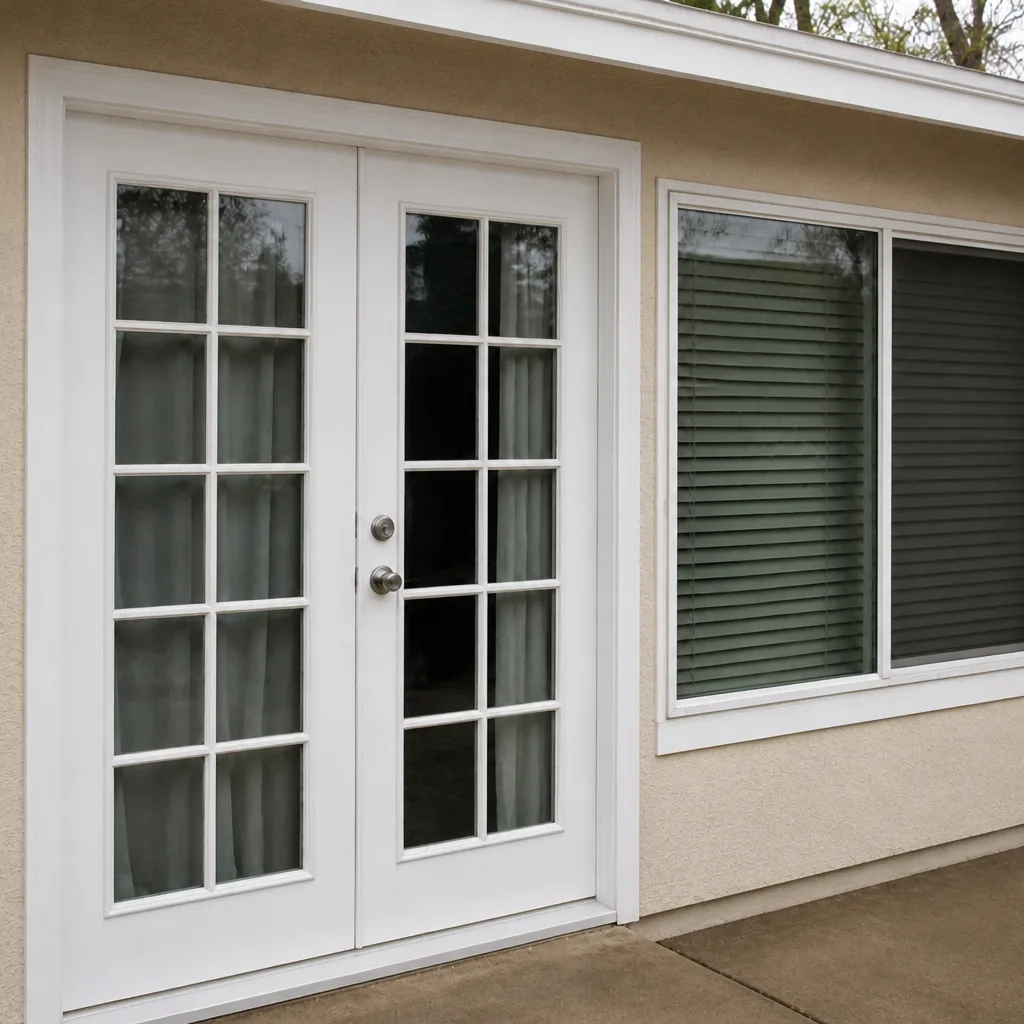
See the difference
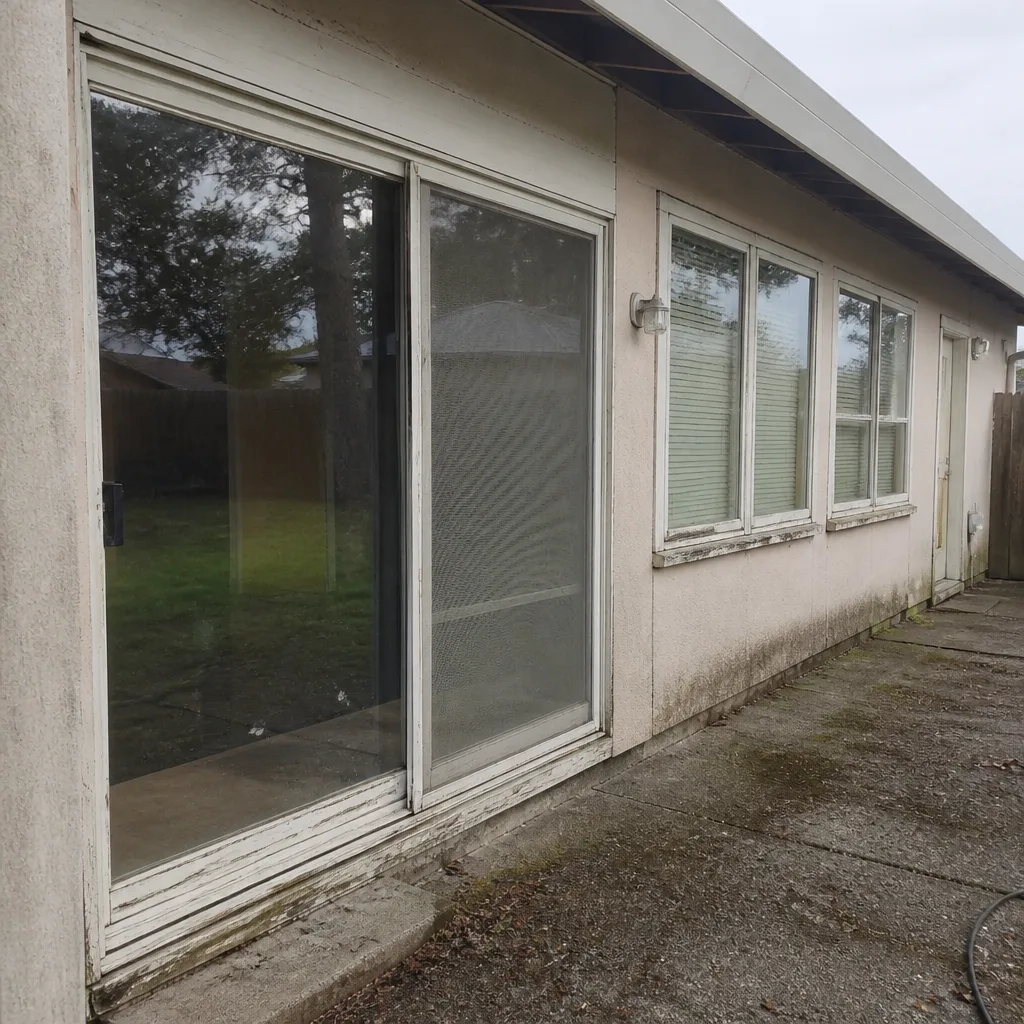 Before
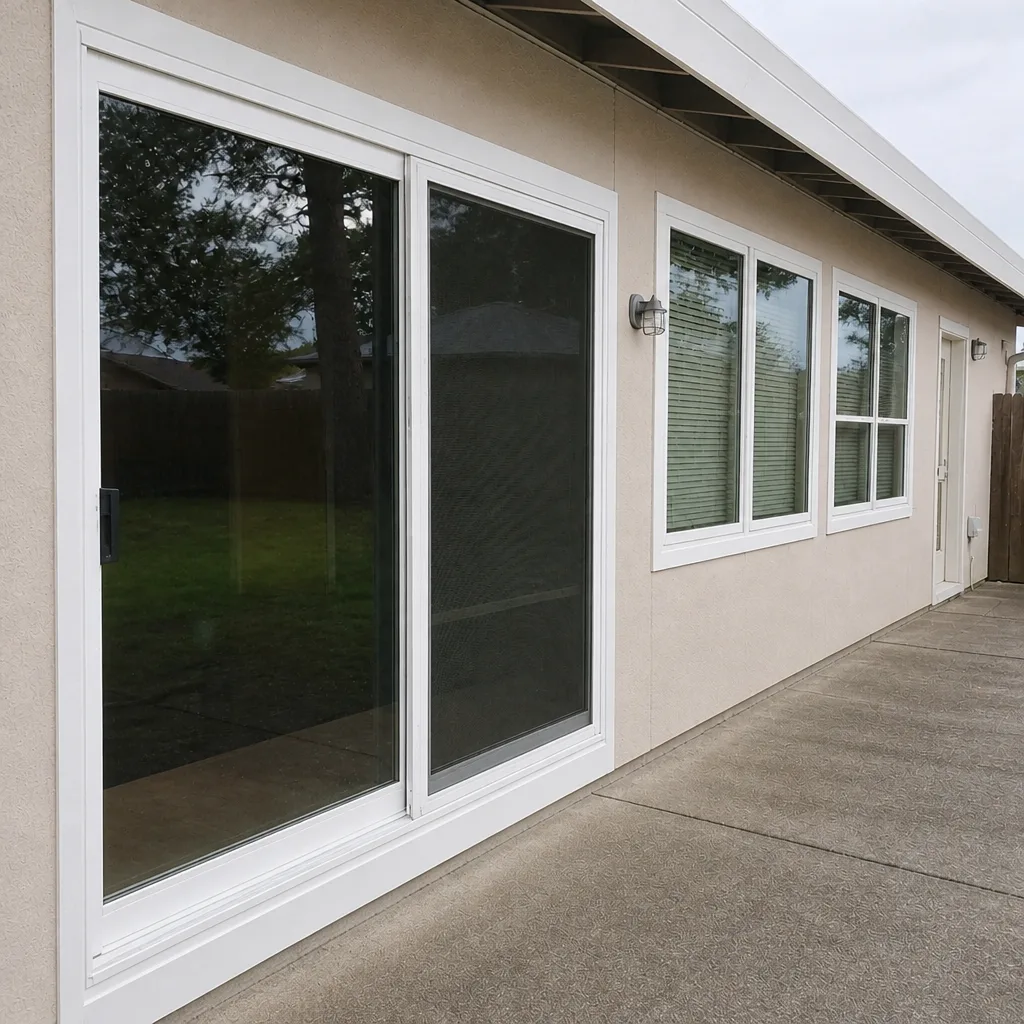 After
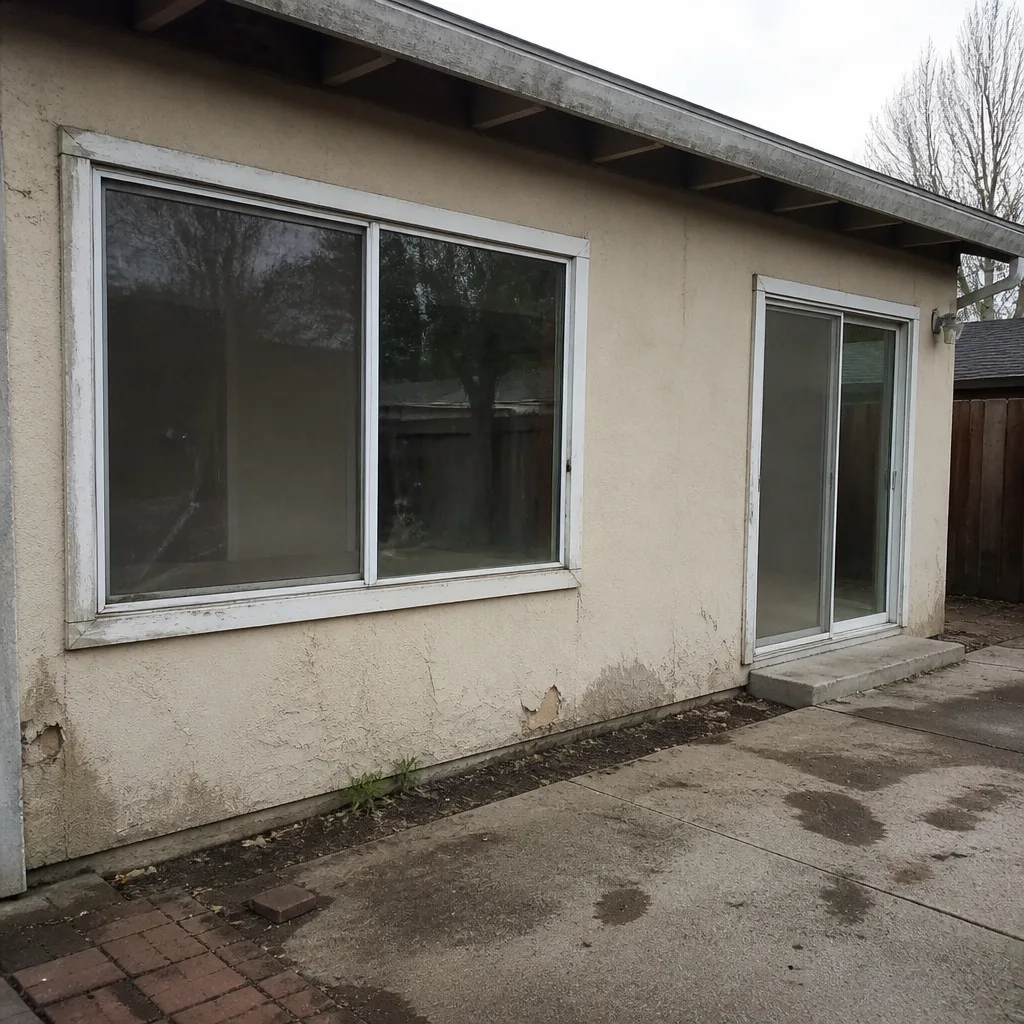 Before
 After
 Before
 After
When to Call a Professional
Call us when a maintenance line fails and stops being fixable. That means fogging or condensation between panes, a seal that feels soft at the edge, glass with etched mineral haze that won’t come off, standing water in tracks that won’t drain, or a vinyl frame that flexes, cracks, or won’t latch. These are the signals that a window has moved past maintenance into replacement. A professional look confirms whether it’s one pane or the whole unit, and whether new glass or a new window is the right call.
Window Replacement Rancho Cordova offers free estimates in Rancho Cordova. Call (279) 321-4428 to schedule yours, and we’ll put together a written, line-item quote so you can compare your options before you decide. Our window and door work takes on projects of three openings or more.
Frequently Asked Questions
Check your windows twice a year, timed to the local cycle: once at the end of the dry season to clear dust and mineral film before the rain, and once during the first wet week to check drainage and condensation. Glass that gets hit by irrigation or hose spray deserves a quick extra peek once a month or so, because water spotting bonds faster than most people expect.
If the mineral film wipes off with a gentle vinegar-and-water mix, it’s superficial and you can keep going. If it stays after a gentle wipe, or the glass feels rough under a fingertip, the minerals have bonded into the surface and no cleaner will fix it. At that point the pane or the whole unit is a replacement conversation. Call (279) 321-4428 for a free estimate.
Fog or a cloudy haze between the panes means the sealed glass unit has failed and moisture has gotten into the gap. It can’t be cleaned out or repaired, because the space between the panes isn’t reachable. The fix is replacing the pane or the unit, and a professional can tell you which one makes sense.
Cosmetic stress marks are a faint chalky haze on the sun-facing side that wipes away or fades, with a frame that still feels solid. Structural signs are different: cracks you can see through, flex or softness under pressure, a separated corner, or a frame that won’t let the sash close or lock. If any of those structural signs show up, have it inspected rather than waiting for the next cycle.
Yes, and it’s a big difference. Coastal schedules revolve around salt and fog. Rancho Cordova schedules revolve around intense valley sun, dust, and municipal water minerals that etch glass. Checking for mineral film and sun-facing seal wear will matter more here than checking for corrosion.
We do. Window Replacement Rancho Cordova offers free estimates, and our window replacement work covers jobs of three openings or more. Call (279) 321-4428 and we’ll build a written, line-item quote you can compare against your other options.
The Bottom Line
Window maintenance in Rancho Cordova comes down to catching the two unfixable problems early: hard water etching and failing seals. Glass spotting caught before it bonds wipes off in a minute, and seal fog caught before it spreads gives you time to plan. Build your checks around the valley’s real cycle, dry season and wet season, and tie them to the sun-facing windows that take the most wear. Use the pass/fail checklist honestly. Most windows just need routine attention; a few are past it, and knowing the difference is the whole game.
Written by the team at Window Replacement Rancho Cordova.
Call (279) 321-4428 to schedule your free estimate.