Last updated November 25, 2026
 Sliding glass doors
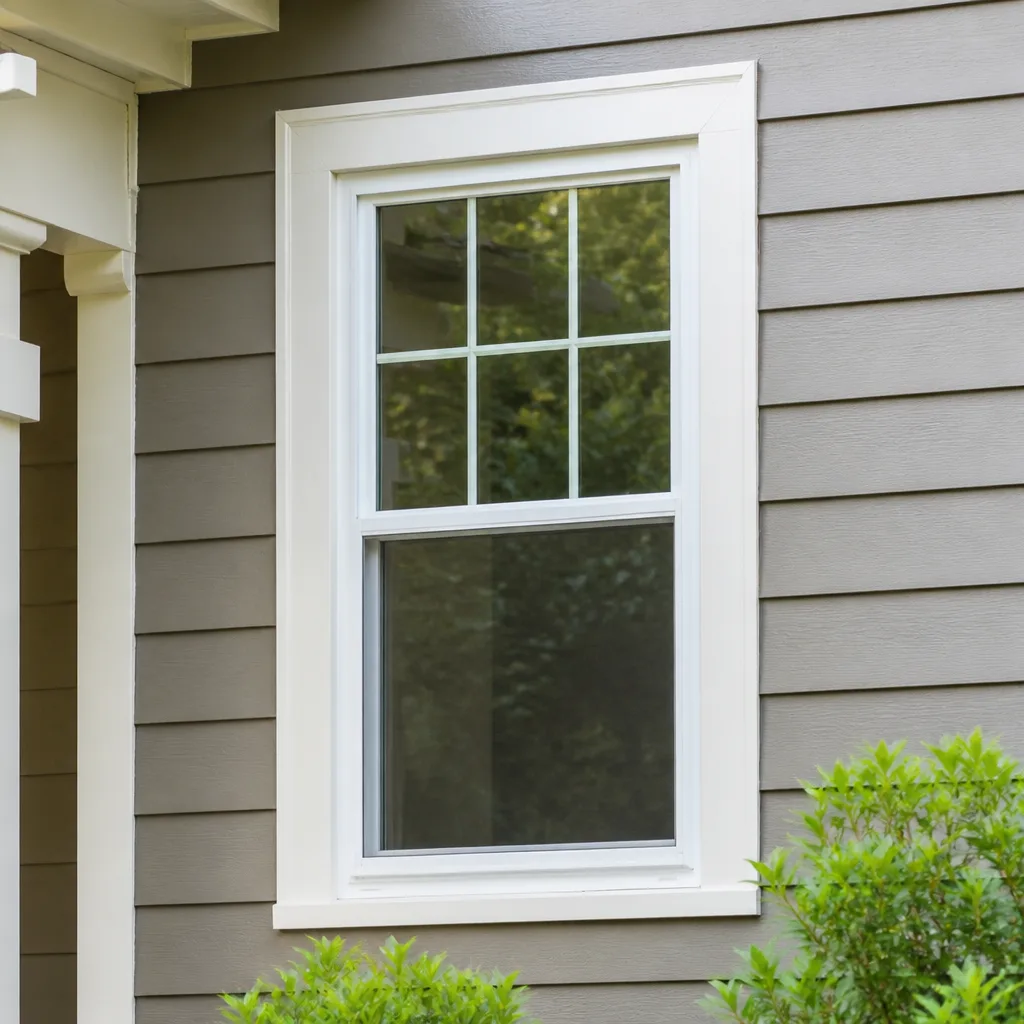 Single hung
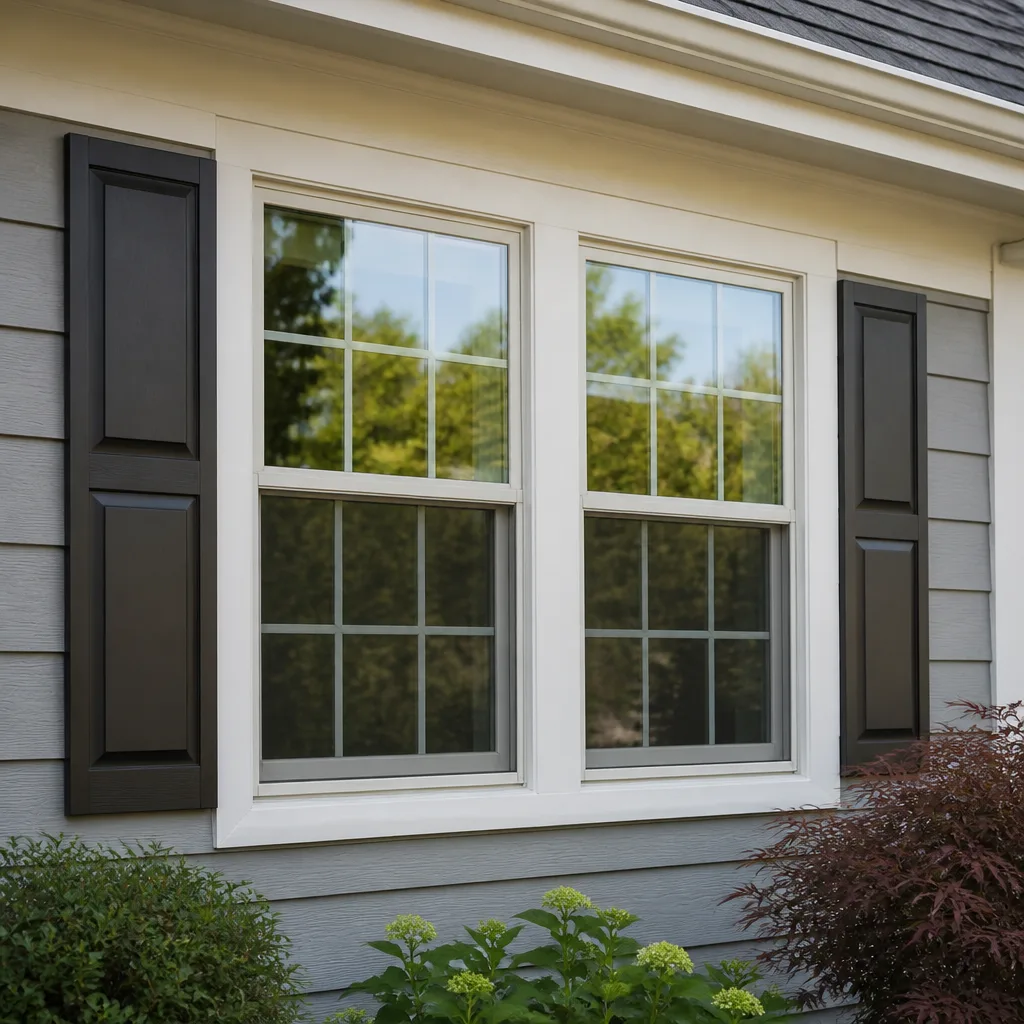 Double hung
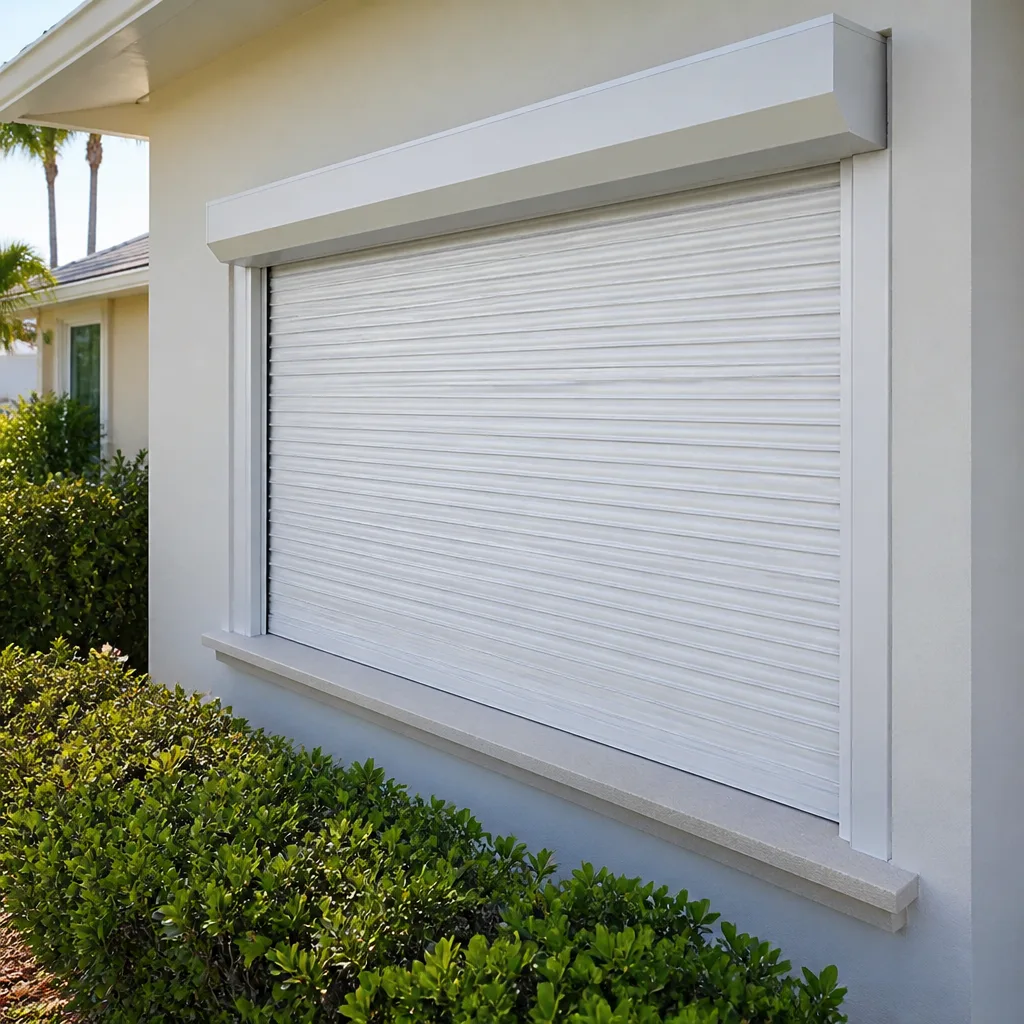 Horizontal roller
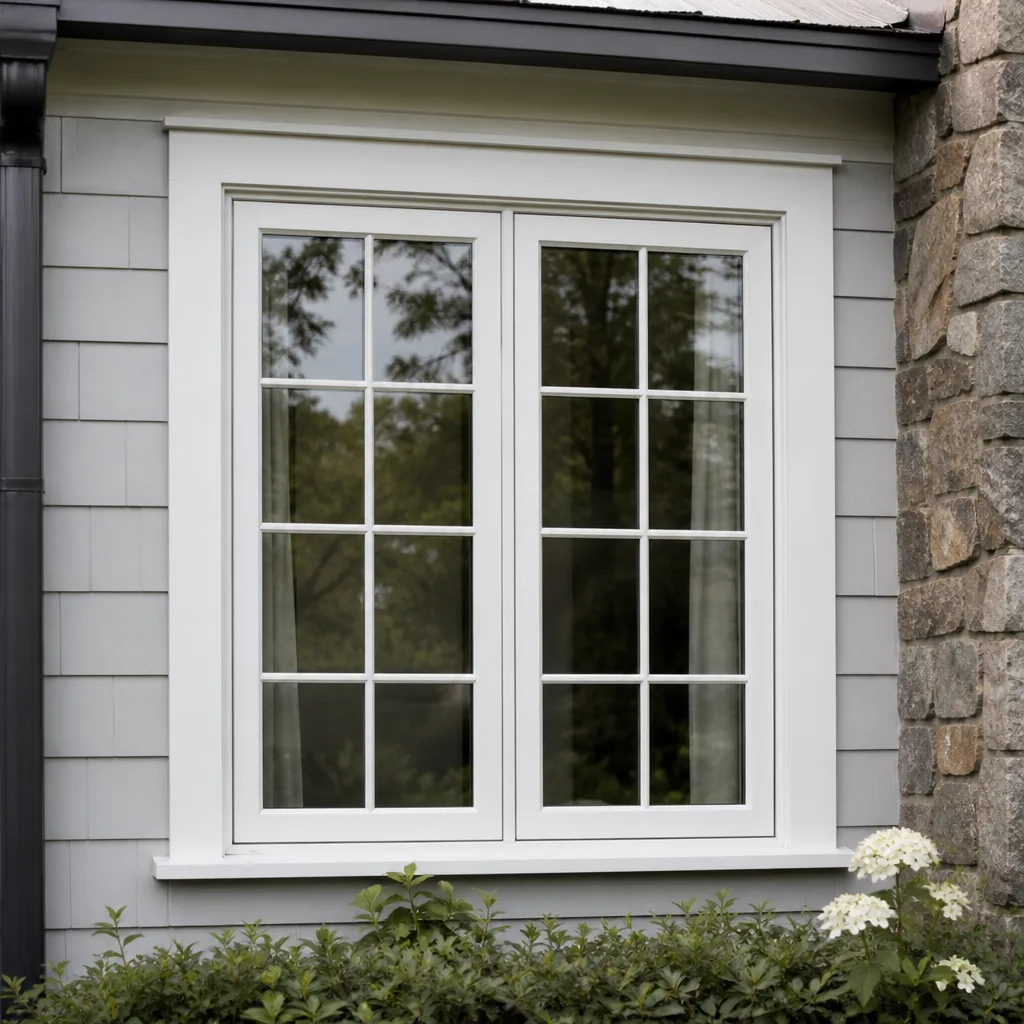 Casement
 Bay & bow
 Entry doors
 Impact garage doors
 PGT
 CGI
Free in-home measure and quote - PGT, CGI and CWS impact lines compared on your actual openings, style by style
Get your free estimateSeasonal Windows & Doors Care for Rancho Cordova: Year-Round Homeowner’s Guide
Most seasonal window and door checklists are written for a place with four real seasons, and they fit Rancho Cordova badly. By the time the standard “spring inspection” rolls around, Rancho Cordova has often already logged its first 90°F days, so the useful window to check hardware and seals has closed. The better calendar here is built around two hard seasons and two short ones: heat stress, smoke season, fog inversions, and the wet stretch. This guide explains what to inspect, when to do it, and why a generic list of tips gets the sequence wrong for homes in Rancho Cordova.
Quick Answer
Care for windows and doors in Rancho Cordova runs on a two-season-plus-two-transition calendar, not four equal seasons. Inspect and lubricate hardware and check air sealing in February and March, before sustained heat locks stressed hardware in place; prioritize air sealing again in July through October for wildfire smoke, watch exterior door hardware during the fog inversions of late fall and winter, and clear weep holes and drainage paths before the November-to-February rains. Frame material and brand determine how you clean and lubricate, so match the care to the actual product.
Styles & brands we work with
- Single hung
- Double hung
- Horizontal roller
- Casement
- Bay & bow
- Sliding glass doors
- Entry doors
- Impact garage doors
- PGT
- CGI
Table of Contents
- Why Rancho Cordova’s Climate Doesn’t Run on Four Seasons
- The Pre-Heat-Season Checklist: February and March
- Smoke Season Prep: Air Sealing for July Through October
- Tule Fog Season and Exterior Door Hardware
- The Wet Season: Drainage, Weep Holes, and Threshold Seals
- Product-Specific Care: Frames, Finishes, and Hardware
- When Care Turns Into Replacement
- Common Mistakes to Avoid
Why Rancho Cordova’s Climate Doesn’t Run on Four Seasons
The Sacramento Valley gives Rancho Cordova a long, hot, dry summer and a cool, damp winter, with short transitions in between rather than the gentle spring and fall that colder regions get. Summer isn’t a season you prepare for over months. It arrives fast, sits at high temperatures for a long stretch, and stresses every moving part in a window or door: the weatherstripping compresses, vinyl frames expand in the heat, lubricant dries out of hinges and rollers, and seals that looked fine in cooler weather start showing their age. Two or three weeks of buildup, then months of sustained heat.
Winter works the other way. It’s mild, but it’s wet, and it lasts long enough that water management around your openings matters more than temperature. The fog inversions of late fall and winter add another factor that generic advice never mentions: a stretch of still, damp air that keeps exterior metal in a near-constant state of condensation. Between the two big seasons sit the short transitions where the real preventive work happens, and those transitions are narrow. Miss the February window and you’re working on hardware that’s already been held in one stressed position for months.
If you’ve lived in Rancho Cordova long enough, you already know the pattern: the first hot week lands early, the smoke arrives mid-summer in some years, and the rain shows up with the fog. The care calendar should follow that pattern. Treat the heat and the smoke as the two things you prepare for, the fog and wet as the two things you manage through, and the transitions as the only quiet stretches you get to catch up.
We’ve seen the same pattern in homes all over Rancho Cordova. Owners who do nothing all year and then attempt a deep clean in July end up chasing problems that a February list would have caught early. It isn’t about more work. It’s about doing the right task at the right point on the calendar.
The Pre-Heat-Season Checklist: February and March
The best time to inspect and lubricate windows and doors in Rancho Cordova is February into early March, before sustained high temperatures settle in. Once the heat arrives, hardware that’s been lubricated properly stays free, but hardware that’s already stiff gets pressed into a stressed position and stays there for the season. This is the single most valuable window on the whole calendar, and it’s the one most homeowners miss because they’re waiting for a “spring” that’s really already summer.
Work through the house one opening at a time. It goes faster than it sounds.
- Check every moving part. Open and close each window and door fully. Note anything that catches, sticks, or needs a second push. Those are the parts that fail once the heat rises.
- Lubricate hinges, rollers, and tracks. Use a product appropriate to the material. A silicone-based lubricant suited to metal tracks and hinges works for most sliding windows and doors; the manufacturer’s guidance for your specific hardware is always the better answer.
- Inspect weatherstripping and sweeps. Look for flattened, cracked, or peeled strips. Any that spring back when you press them are still working; any that stay flat are done.
- Test the locks and latches. Confirm that everything engages smoothly. A latch that takes force in cool weather will fight you in the heat.
- Check the seals and glass edges. Look for gaps, cloudy spots between panes, or finish that’s lifting. A clouded double-pane unit is a sign the seal has given out.
- Clean and inspect screens and weep holes. Clear debris so air and water can move the way they should.
If any item on this list turns up a problem you can’t resolve with a cleaning cloth or a bit of lubricant, that’s useful information in February rather than an emergency in July. That’s the whole point of the early calendar: you get choices while there’s still time to make them.
One note on safety here. If what you find is fogged or cracked glass, a frame that’s shifted, or a unit that won’t close properly, this isn’t a lubrication problem, it’s a replacement problem. Modern windows have tight, high-tension parts and heavy glass; the skilled work is a job for a trained professional, not a weekend project with a ladder and a screwdriver. We’d rather tell you that plainly than have you attempt something that could hurt you.
Smoke Season Prep: Air Sealing for July Through October
Wildfire smoke in the Sacramento Valley is now a routine part of summer and fall, and in Rancho Cordova the concern is fine particulate infiltration during smoke events, not just the visible haze. The answer is air sealing, and specifically the air sealing around windows and doors. A window that’s rated for a tight seal still leaks around the perimeter if the weatherstripping has flattened or the frame has a gap. That’s the leak you can address without changing the glass.
The priorities, in order of impact:
- Door sweeps and thresholds. Look at the bottom of every exterior door. If you can see daylight under it, you have a smoke path. A worn sweep or a threshold seal that’s lost its spring is the first thing to address.
- Weatherstripping at jambs and sashes. Press-test it. Soft and springy means it’s working; flat and brittle means it isn’t.
- Frame-to-wall joints. Gaps at the caulk line around the exterior are where outside air enters. Inspect them before the smoke season begins.
- Sliding door tracks. Sliding patio doors have large openings, and the track seals wear faster than a hinged door’s. Check them as a set.
Air sealing is not the same as filtration. A tight envelope limits how much smoke gets in, but it doesn’t replace an indoor air filter or a well-planned response on a bad air day. The two work together. What we can tell you from experience is that owners who seal their openings before the summer report far fewer problems with smoke intrusion than those who seal after. It’s a before, not an after.
This is also the point where the age of a unit matters. Modern products are engineered to hold a tighter seal than older ones. Impact-rated systems from brands like PGT and CGI are built to strict standards for wind and, by extension, tightness, which is why they’re worth considering when a full replacement is on the table. If you’re thinking through that comparison, our guide to window replacement lays out what matters in the product choice.
Tule Fog Season and Exterior Door Hardware
Winter in the Sacramento Valley brings the fog inversion: still, damp air that sits over the area and keeps exterior surfaces wet for long stretches. That’s harder on exterior door hardware than most homeowners expect, because brass and steel react differently to constant moisture, and the fog gets into the places a rainy day never reaches. The result is faster corrosion on handles, locksets, hinges, and the finish of the door itself, especially on the shaded and north-facing sides of a home.
What to look for during the fog months:
- Discoloration and pitting on handles. A brass or brass-plated surface will dull and spot if it isn’t wiped and, where the manufacturer recommends it, protected. Steel shows rust sooner than brass, so a spot on a steel handle is a sign to act.
- Stiff locksets and hinges. Damp air and dirt together can make a lock feel gritty. A drop of the right lubricant helps, and wiping the hardware dry after a fog stretch is more valuable than a heavy coat of anything.
- Thresholds and door bottoms. This is where fog-driven moisture settles. Check whether the threshold finish is intact and whether the door bottom is sitting properly against it.
- Finish on the door slab. If the paint or stain is worn, the door’s material is exposed to the damp air. Touching up the finish is cheap insurance.
In our experience, the fog season is where entry doors in Rancho Cordova show their age first. A fiberglass entry door handles that damp air better than a wood door that’s lost its finish, which is one reason we carry Therma-Tru for entry door work. It’s a product we can recommend honestly because it suits the climate, not because it’s the only one we have. If you’re weighing an entry door replacement, that’s a conversation worth having while the fog season is still fresh in your mind, not in the middle of July.
The Wet Season: Drainage, Weep Holes, and Threshold Seals
Before the November-to-February rains, the highest-value task is drainage inspection: checking that every window and door has a clear path for water to get out and away. Most of the water that finds its way inside a Rancho Cordova home never breaches the glass or the frame. It arrives through a blocked weep hole, a failing threshold gasket, or a drain path that’s been covered by paint, debris, or years of landscaping. Water needs a way out, and the wet season punishes any opening where that path has closed.
Here’s the sequence to run in late October, before the first real rain:
- Find every weep hole. They’re in the sill of the window or the track of the door. Look for small slots along the bottom.
- Clear them. A soft brush or a pipe cleaner works. If a hole was painted over during a past touch-up, that paint needs to go.
- Check the drainage path beyond the hole. Water that exits the hole still needs to move away from the exterior wall. Blocked soil, mulch mounds, and debris push water back toward the opening, so clear the ground below.
- Inspect threshold seals and door bottoms. A worn or lifted threshold seal lets water in during driving rain. Check every exterior door.
- Clear the gutters. Gutters that overflow don’t drain at all. That water lands on the walls and around openings.
- Re-test after the first rain. A quick walk-around after a rain event tells you more than a dry inspection. Note any dampness inside, any stained sill, any water sitting in a track.
The wet season is also when the short transition between summer and winter is easiest to forget. Clear your weep holes in the dry weeks, when you can actually get to them and see the result. Once the rain starts, a blocked hole is a much harder problem to solve.
For a full replacement project, proper drainage and flashing are part of the installation, not an add-on. If a unit is due for replacement, the timing matters because a correctly installed window handles the wet season from the first rain. Our page on window installation covers what correct installation involves.
Product-Specific Care: Frames, Finishes, and Hardware
Generic window care gets one thing wrong every time: it assumes all frames and hardware need the same treatment. In reality, a vinyl frame, a fiberglass door, an aluminum frame, and a wood frame all ask for different cleaning and lubrication, and a technique that’s fine on one can dull or damage another. That’s the reason we carry a broad portfolio of brands rather than pushing a single product, and it’s also why this section names real materials rather than lumping them.
What to know about materials:
- Vinyl frames generally tolerate mild soap and water and don’t need wax. Avoid abrasive cleaners and solvents, which can dull the surface. Lubricate moving metal hardware, not the frame itself.
- Aluminum frames are light and easy to clean, but the finish should be checked for scratches that expose bare metal. A clear drain path matters more than polish, and the hinges and rollers benefit from occasional lubricant.
- Fiberglass door surfaces clean with soap and water and are more forgiving than wood, but the finish should be checked and touched up where it wears. Fiberglass is a strong option in the climates we see, and brands like Therma-Tru make it a real choice for an entry door.
- Wood frames and doors need their finish maintained. A worn finish is the point where damp fog-season air begins to do its work. Check the paint or stain every year and touch up any worn edge.
- Hardware finishes differ as much as the frames. Brass, steel, and plated finishes each want different care, so follow what the manufacturer of your specific hardware specifies. Wiping the hardware dry after a damp stretch is the one thing that helps across the board.
Sliding doors deserve their own note. The track is where debris gathers, and a clean, dry track with smooth rollers makes the door feel new. Brands in our portfolio, like Mr-Glass and ViewLux, range from practical to design-forward, and the care routine follows the hardware, not a house rule. If your sliding door is failing to track properly, that’s a replacement conversation, and we treat it as a dedicated service, not an afterthought. The broader window and door options in Rancho Cordova we install all share one requirement: the right care for the actual product.
When Care Turns Into Replacement
Not every window problem is a care problem, and at some point the honest answer is replacement rather than another round of cleanup. Since we don’t repair windows and doors, we’re also in the habit of being direct about when a unit has reached that point. The signals are consistent, and you can check most of them yourself.
Consider replacement when you see:
- Fogging between panes. A failed seal on a double-pane unit doesn’t recover. That’s a sign the unit itself is done.
- Persistent drafts at the frame or threshold that fresh weatherstripping doesn’t solve.
- Frames that are soft, cracked, or swollen to the point that the hardware can’t hold. This is a structural problem, not a care problem.
- Hardware that fails repeatedly even after proper lubrication, especially on doors where the lock no longer closes securely.
- A unit that keeps leaking in the wet season despite clear weep holes and a sound threshold.
When replacement is the answer, the product choice deserves the same care as the calendar. Our portfolio spans PGT, CGI, CWS, ES Windows, ECO Window Systems, Mr-Glass, Therma-Tru, and ViewLux, which means you can compare an impact-rated product, an energy-efficient product, and a designer-grade product side by side rather than hearing a case for whatever the installer happens to stock. That’s the reason we carry more than one brand, and it’s the part of a quote most homeowners tell us they appreciate most. For entry doors and for patio sliders, the same line of thought applies, and the door replacement options we install reflect the same philosophy.
Note that we take window and door replacement and installation projects of three openings or more. If you’ve been running the care calendar and find several units with the same problem, that’s a good time to get a full picture rather than replacing one window at a time.
Common Mistakes to Avoid
- Waiting for spring. By the time a “spring” inspection happens in Rancho Cordova, sustained heat is already here. The useful month is February, not April or May.
- Treating every frame the same. Cleaners that suit a vinyl frame can dull a wood finish or damage a hardware coating. Match the product to the material.
- Ignoring weep holes until it rains. A blocked weep hole is a dry-weather problem that shows up in the wet season. Clear it while the weather is dry.
- Greasing hardware instead of cleaning it. A heavy layer of lubricant traps dust. A clean, lightly lubricated hinge or roller lasts far longer than one that’s been packed with grease.
- Sealing for smoke after smoke season starts. Air sealing around windows and doors is a before task. Once the air is thick, the work is harder and the benefit is smaller.
- Letting a worn finish on a wood door go. The fog season is where exposed wood starts to suffer. A yearly touch-up on paint and stain costs more in time than a replacement but far less in the long run.
- Assuming a failing unit can be fixed. Fogged glass, a swollen frame, or a lock that no longer engages won’t recover with a cleaning cloth. Recognize when a unit has reached the end of its care life and plan accordingly.
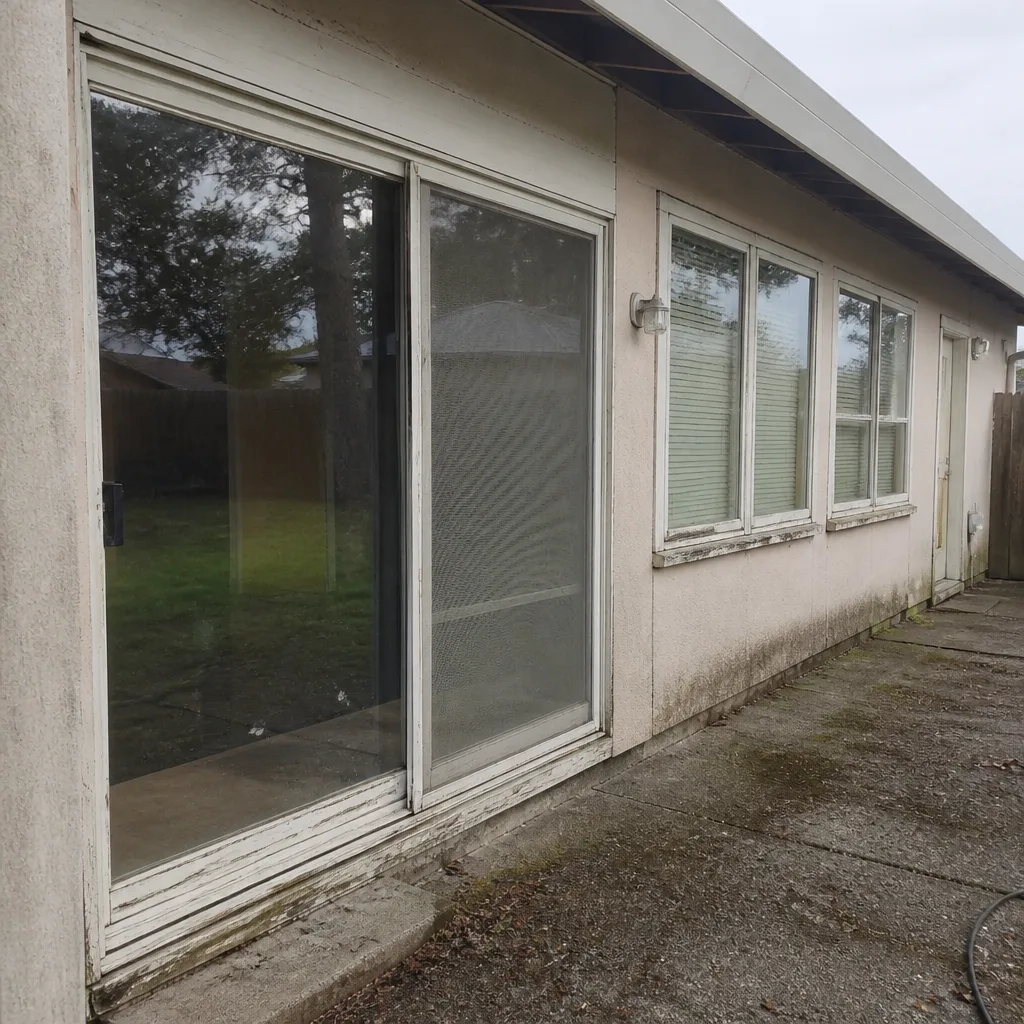
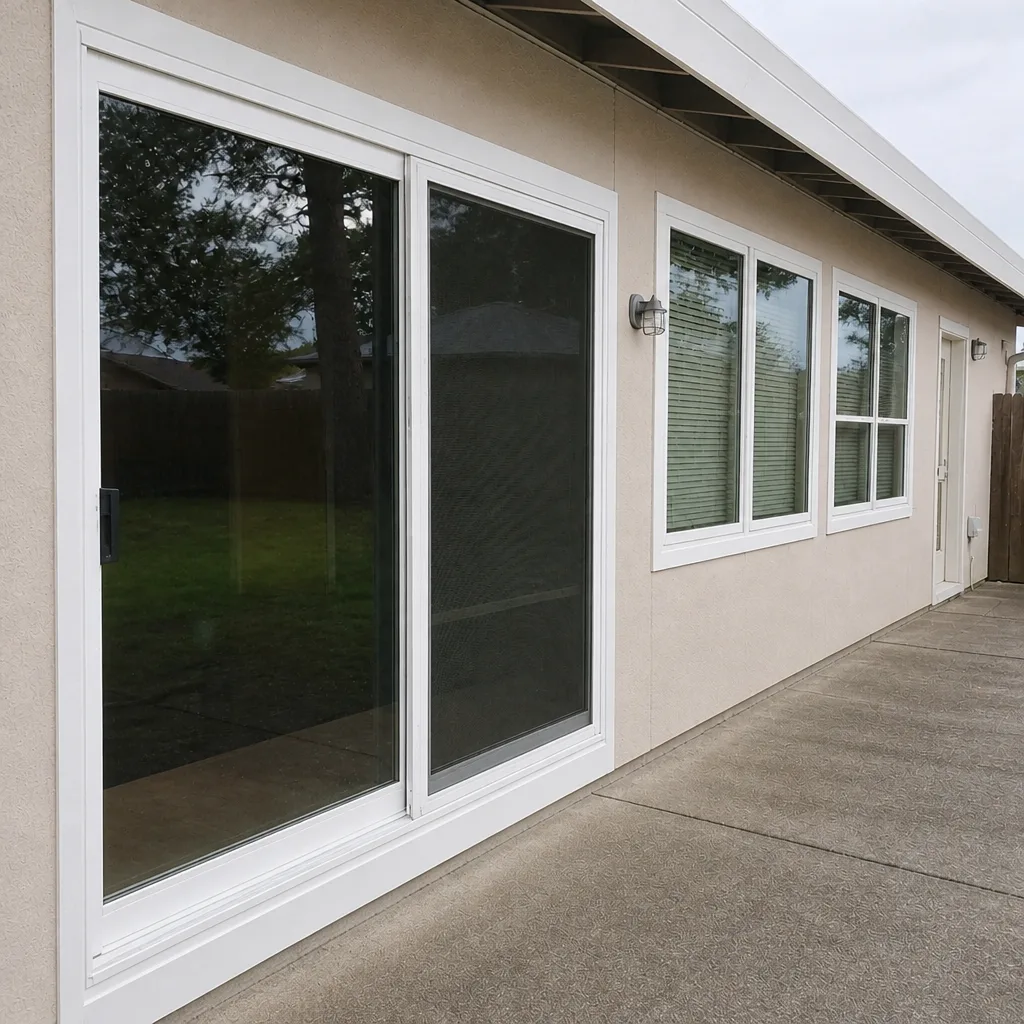
See the difference
 Before
 After
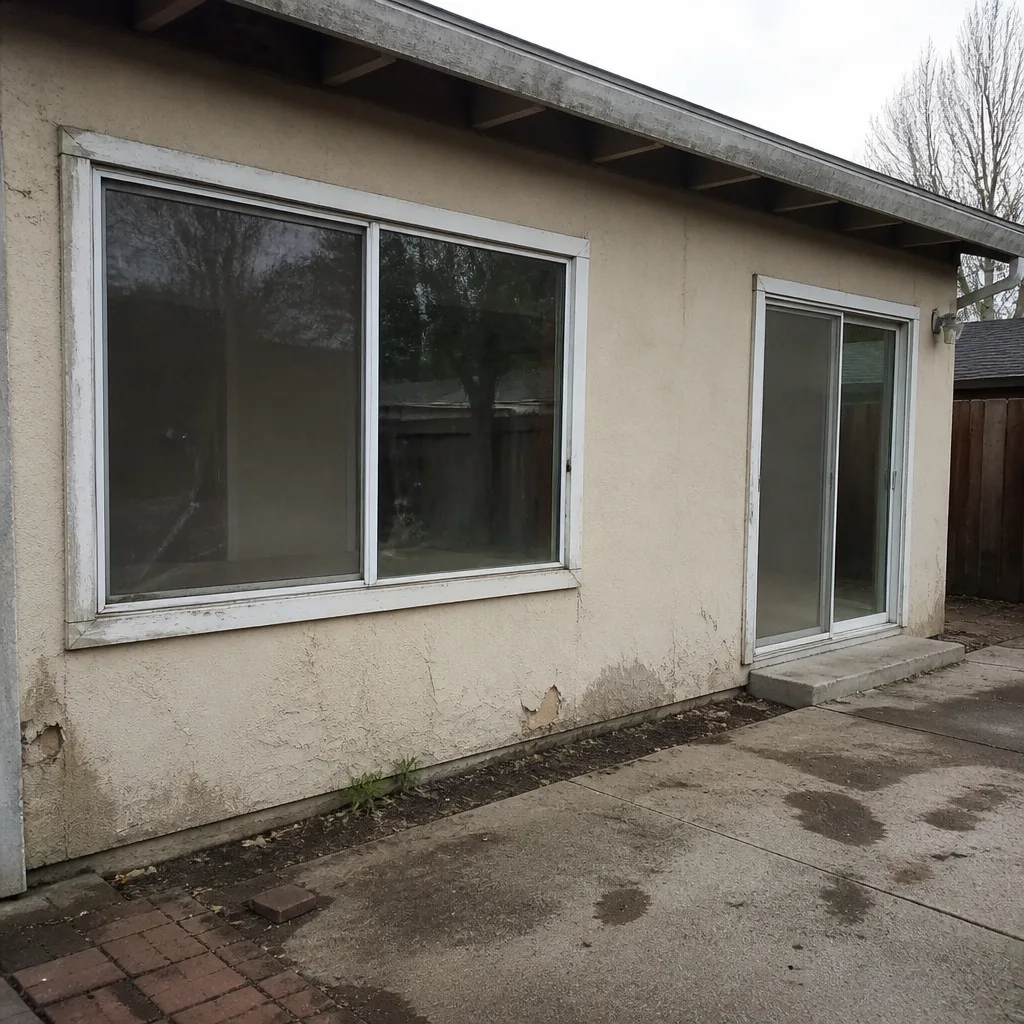 Before
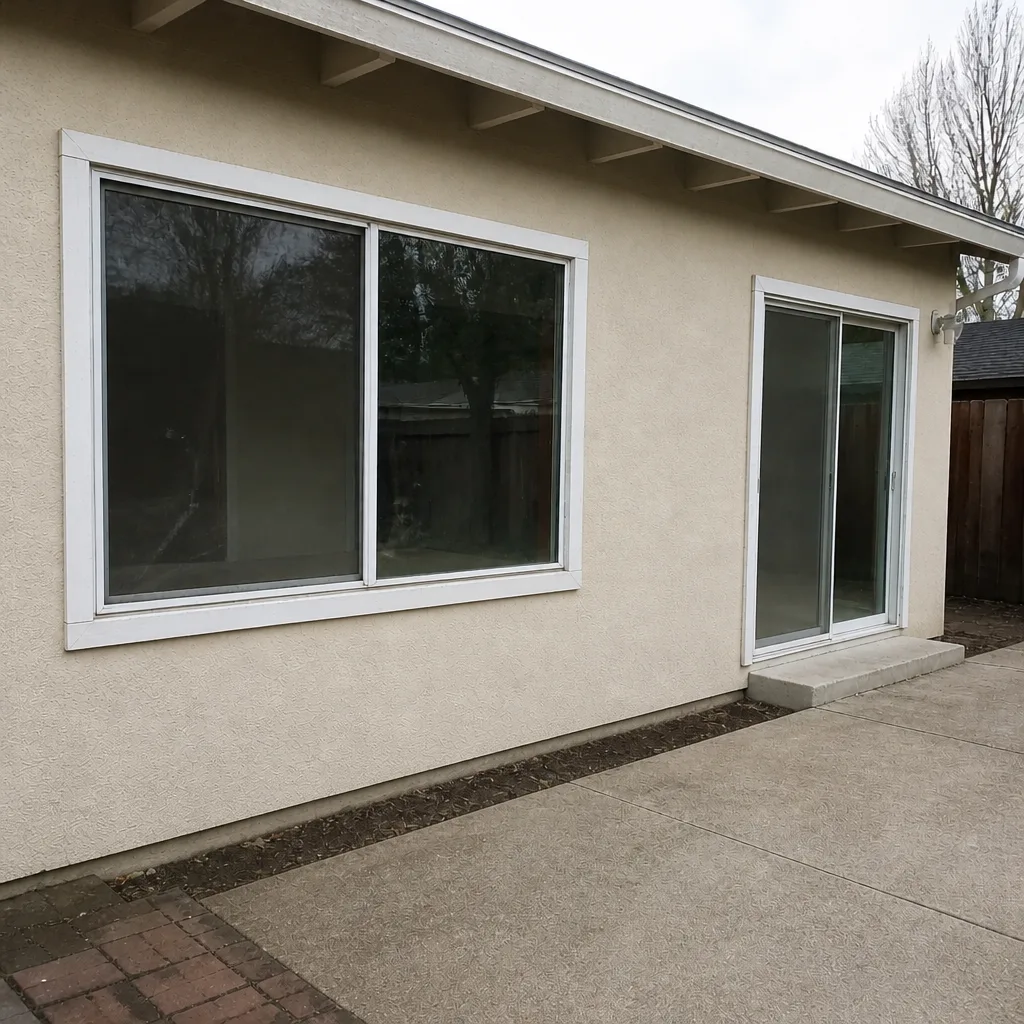 After
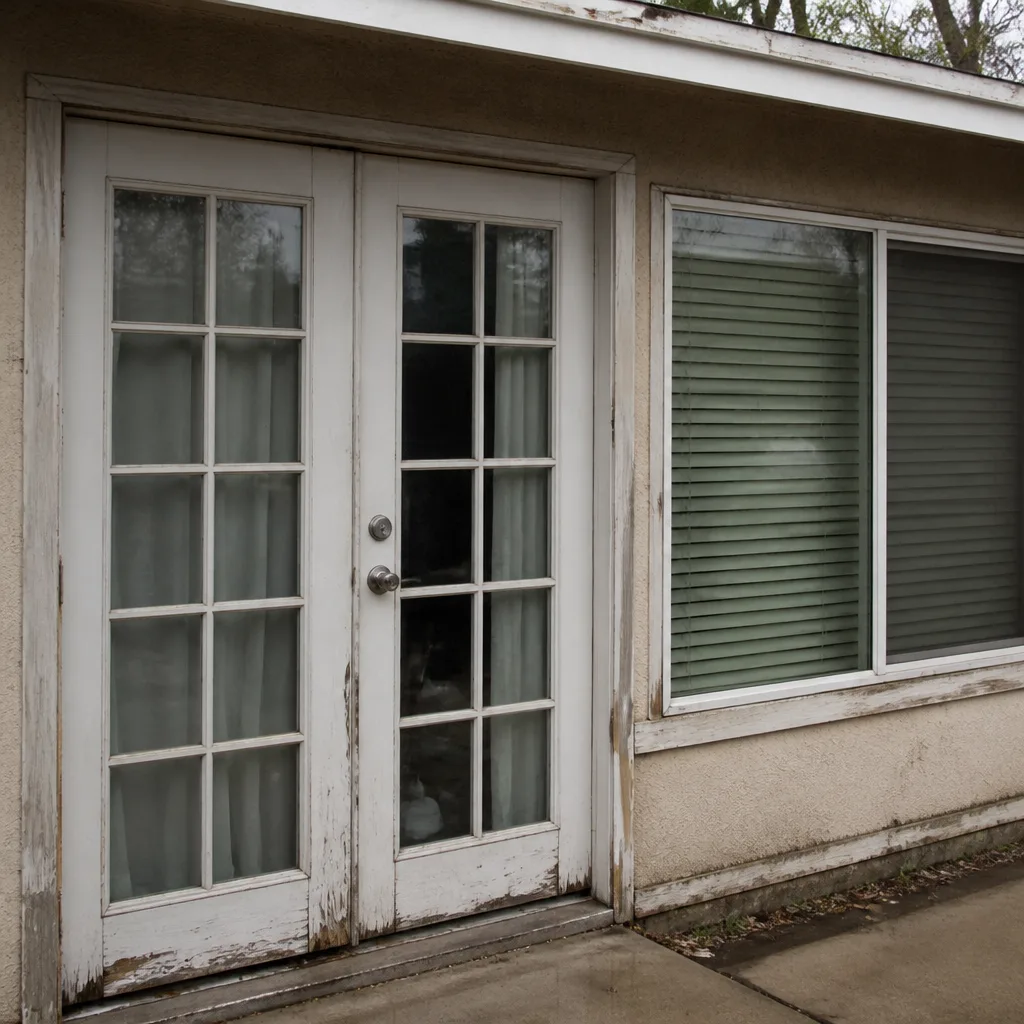 Before
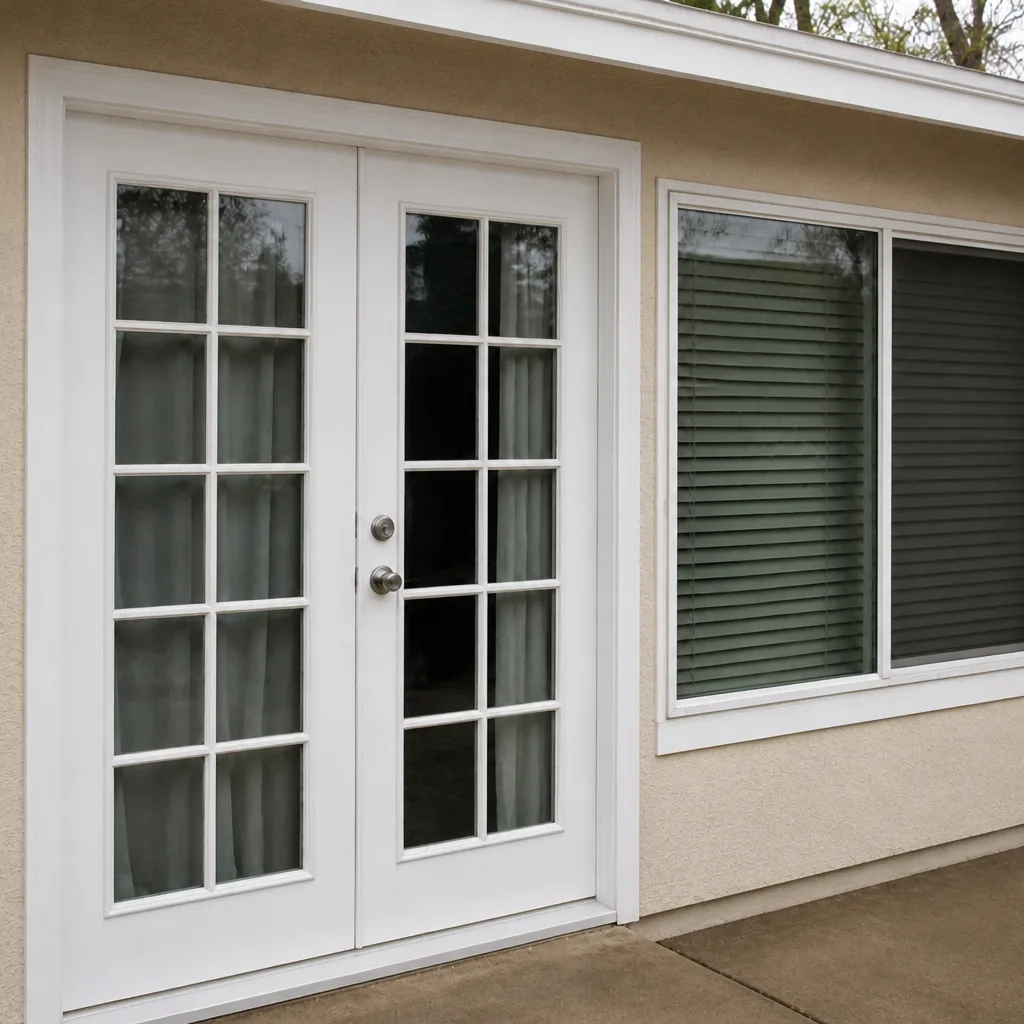 After
When to Call a Professional
Call a professional when the problem is more than a lubricant and a rag. Fogging between panes, glass cracks, frames that have shifted or swelled, doors that no longer latch securely, and windows that keep leaking in the wet season are all signs a unit is beyond routine care. Call too if you’re not comfortable getting to a high or awkward opening, or if you simply want an honest read on whether the care calendar will carry a window or door through another year. Ladder work near heavy glass is where homeowners get hurt, so this is a good place to bring in a trained eye.
Window Replacement Rancho Cordova offers free estimates in Rancho Cordova. Call (279) 321-4428 to schedule a visit and get a written line-item quote. Estimates are free, and the written estimate sets the final price.
Frequently Asked Questions
Inspect and lubricate in February into early March, before sustained high temperatures arrive. That’s the timing that catches hardware and seals while they’re still easy to work with. In our experience, owners who wait for April or May are already dealing with months-old heat stress.
Air sealing around windows and doors is the priority, done before the smoke arrives in July through October. Door sweeps, weatherstripping, frame joints, and sliding door tracks are the main paths. Call (279) 321-4428 for a free estimate if you’d like a professional to look at what’s sealing and what isn’t.
Tule fog keeps exterior metal damp for long stretches during the fog inversion periods of late fall and winter, and that constant moisture speeds up corrosion on brass and steel hardware. Wiping it dry and following the manufacturer’s guidance for your specific finish is the practical response. If the hardware is past the point of holding, an entry door replacement is the conversation to have; call (279) 321-4428 for a free estimate.
Your weep holes and the drainage path around every window and door. A clear weep hole lets water out, and a path that moves water away from the wall keeps it from coming back. The wet season of November through February finds every blocked hole.
No, we don’t repair windows or doors. We install and replace new ones, which is the honest answer when a seal has failed or a frame has shifted. A fogged double-pane unit has a failed seal, and a replacement is the fix. Call (279) 321-4428 for a free estimate and we’ll walk you through the options.
We take window and door replacement projects of three openings or more. That lets us put a complete, honest scope together rather than squeezing a single unit into a schedule. Call (279) 321-4428 to schedule a free estimate and talk through your project.
The Bottom Line
Rancho Cordova doesn’t hand you four equal seasons, so the right care calendar is built for two. Inspect and lubricate in February and March, before the heat locks stressed hardware in place. Air seal for wildfire smoke through July and October. Watch exterior door hardware during the fog inversions and clear weep holes and drainage paths before the November-to-February rains. Match the care to the actual material and brand. When a unit has moved past care, replacement is the honest answer, and a free written estimate from Window Replacement Rancho Cordova is the way to start. Call (279) 321-4428.
Written by the team at Window Replacement Rancho Cordova.