Last updated November 25, 2026
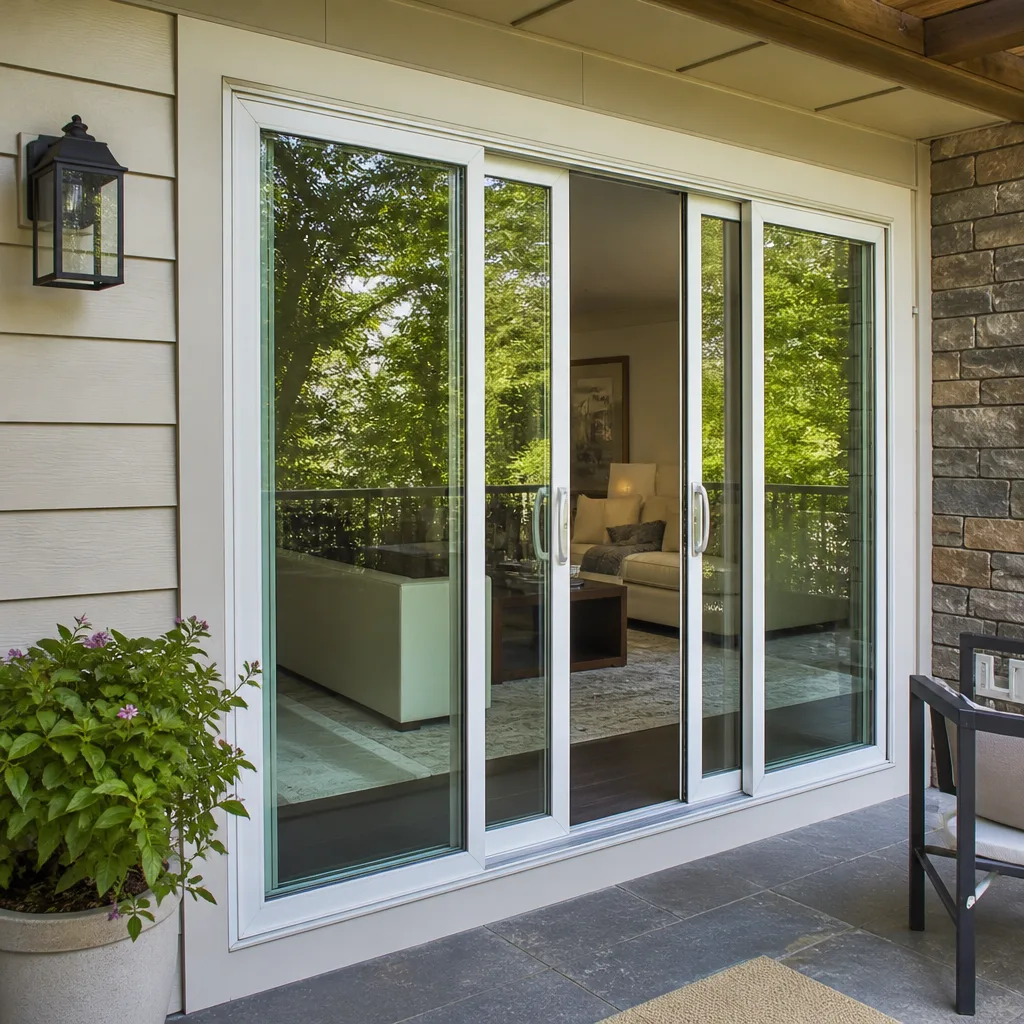 Sliding glass doors
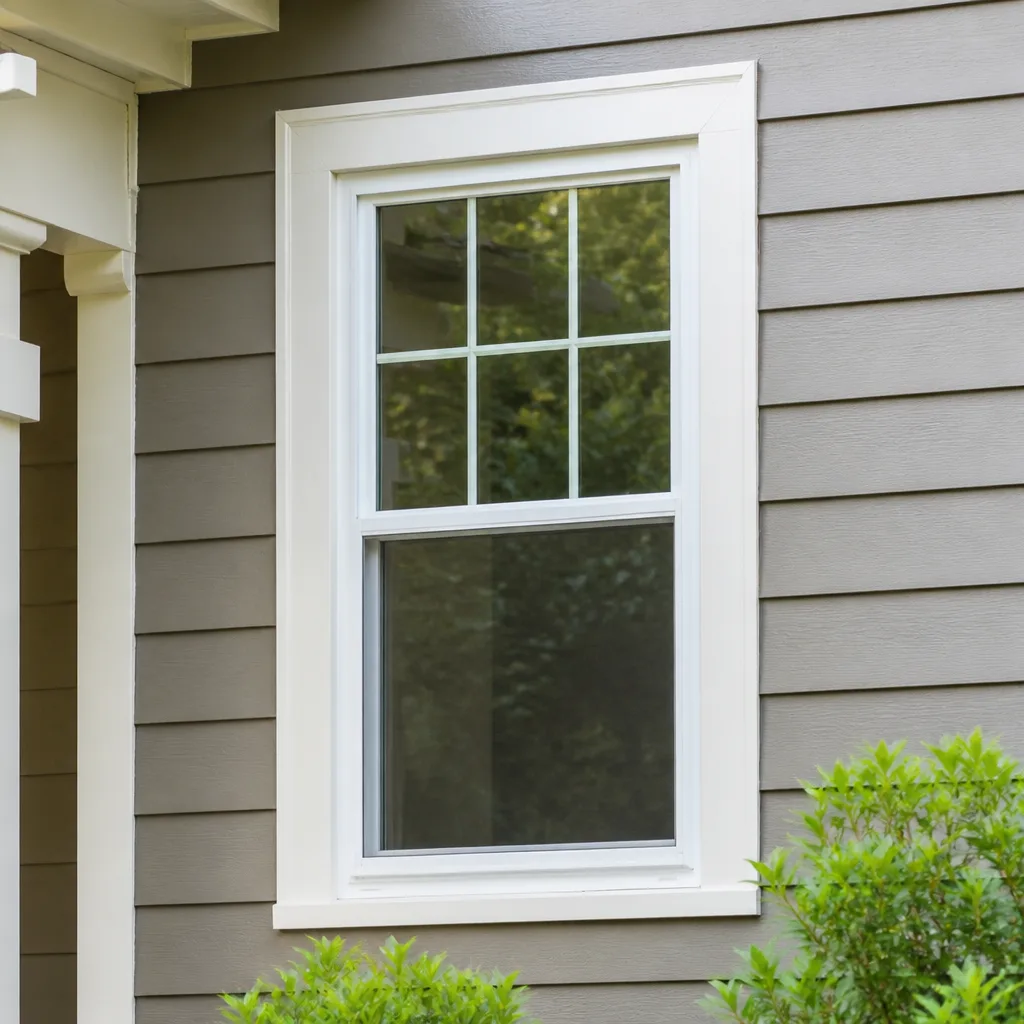 Single hung
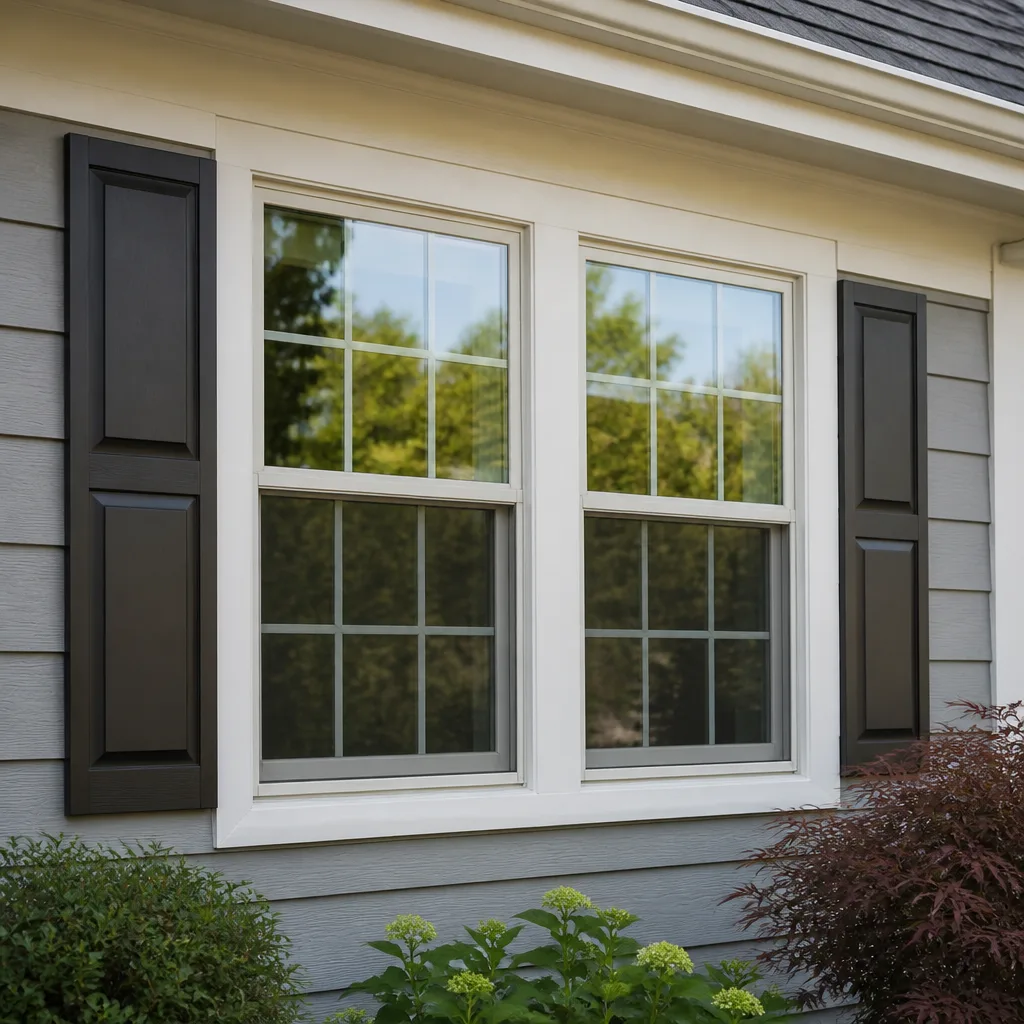 Double hung
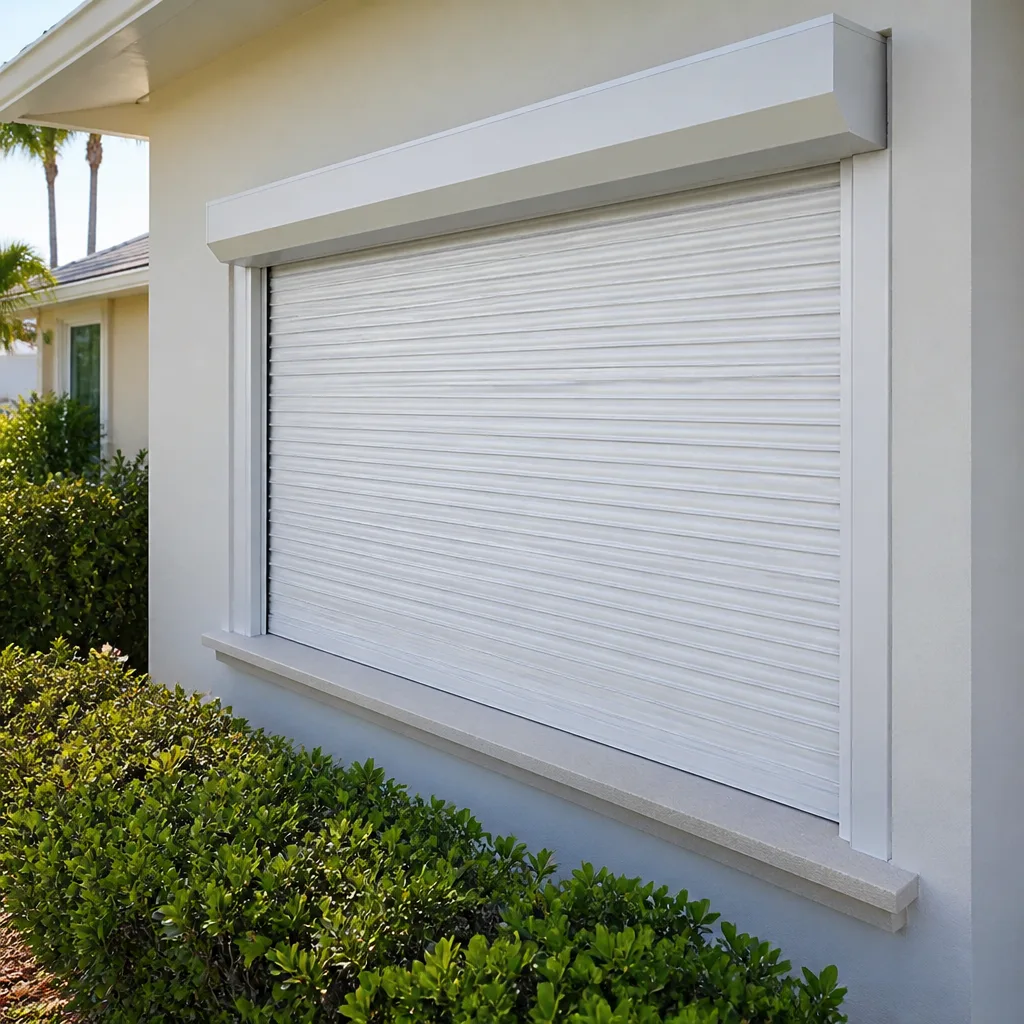 Horizontal roller
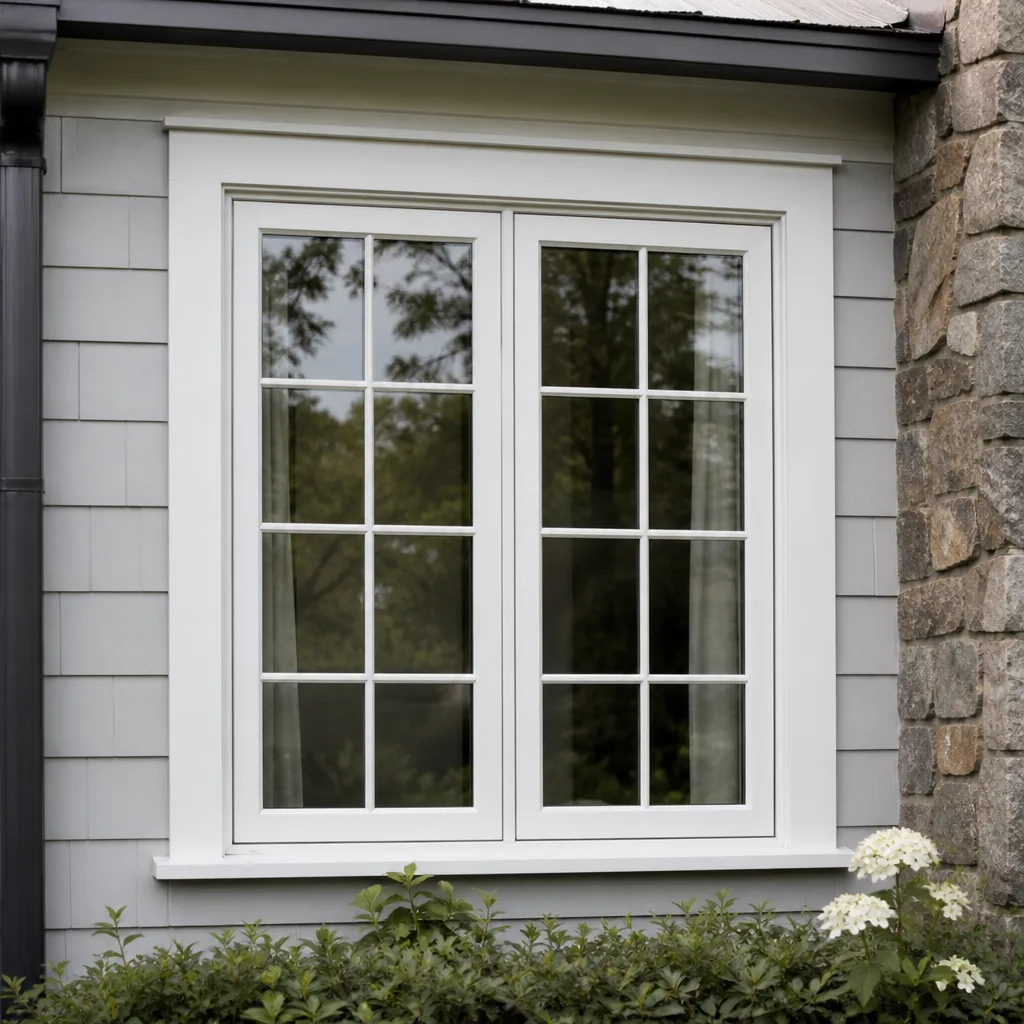 Casement
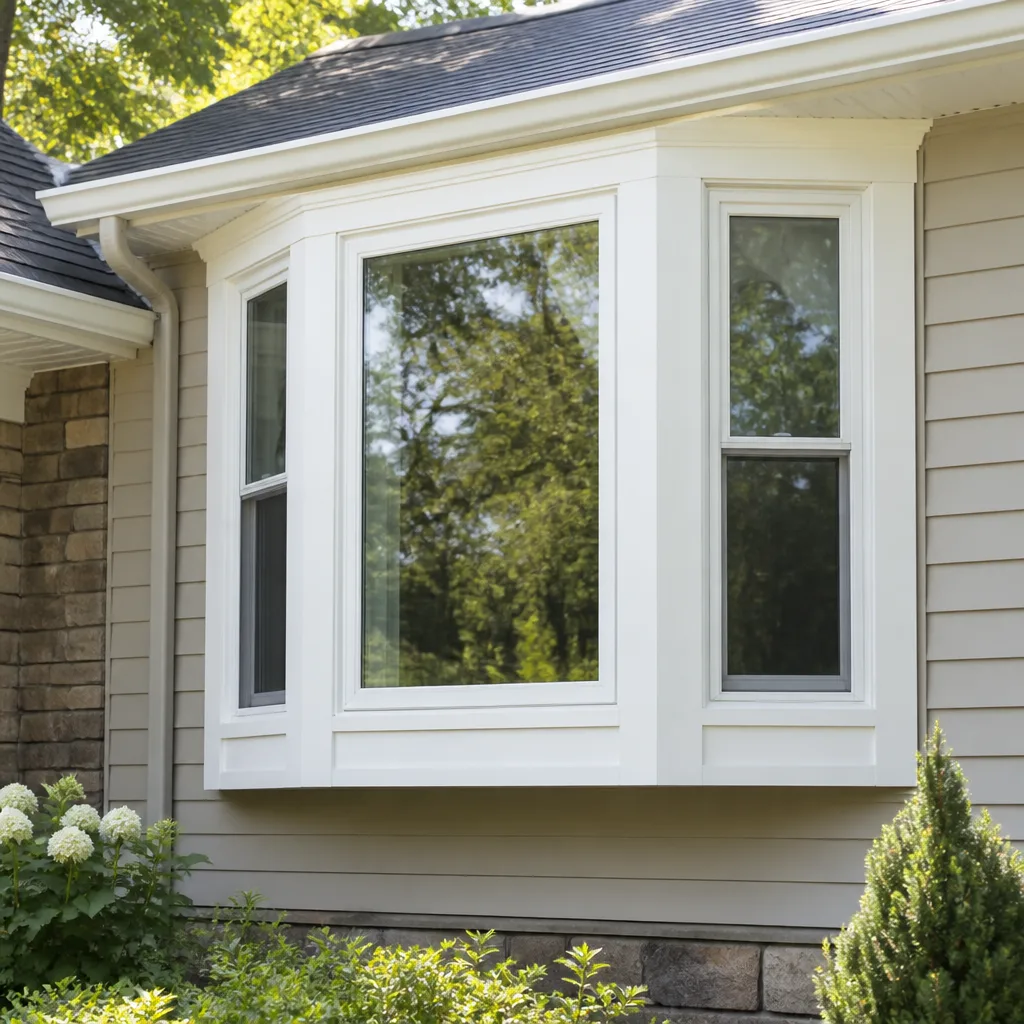 Bay & bow
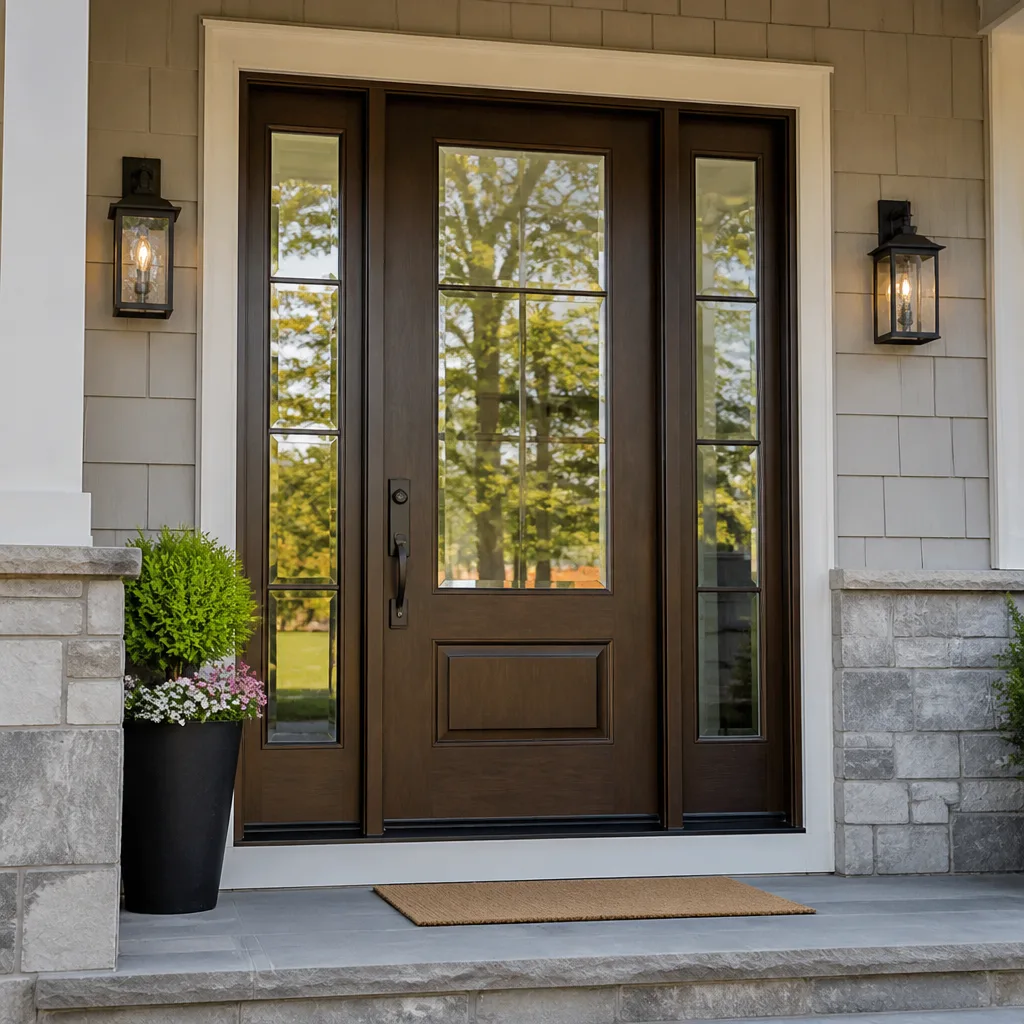 Entry doors
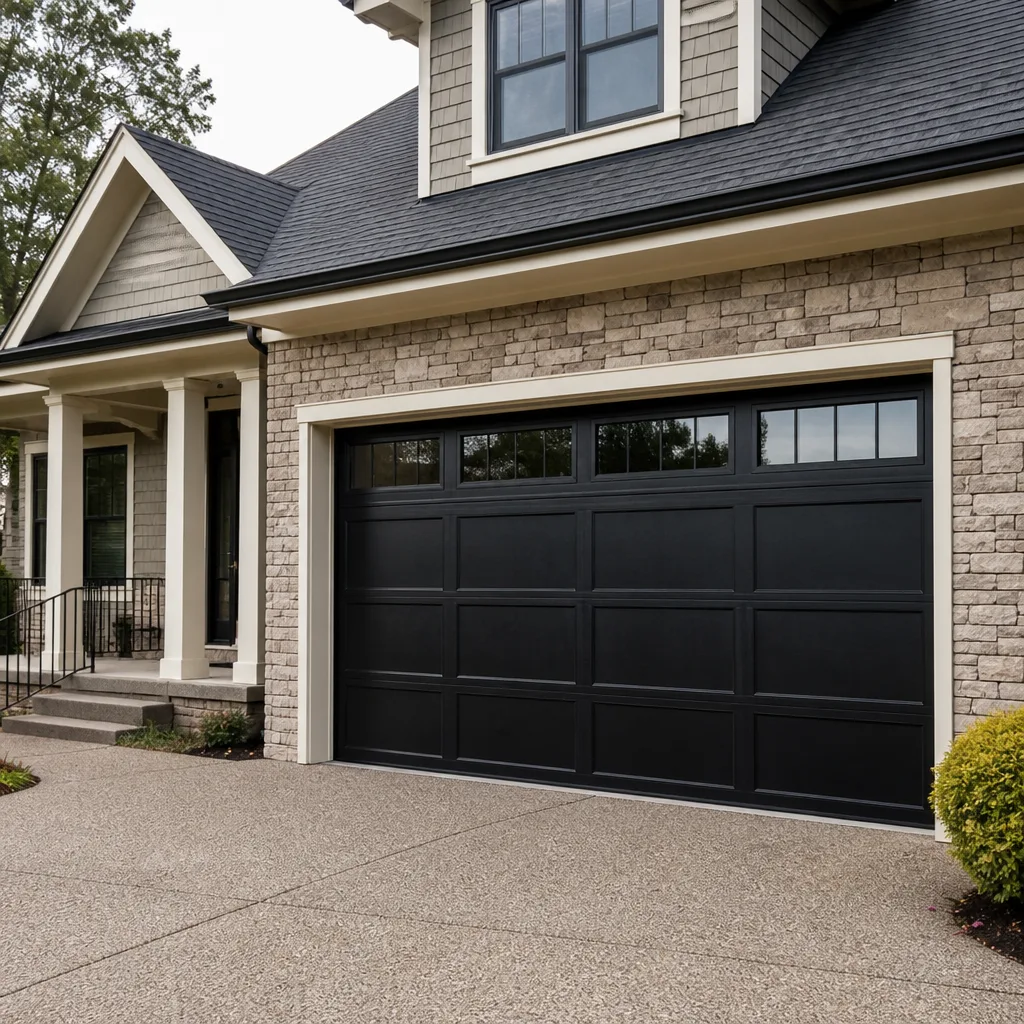 Impact garage doors
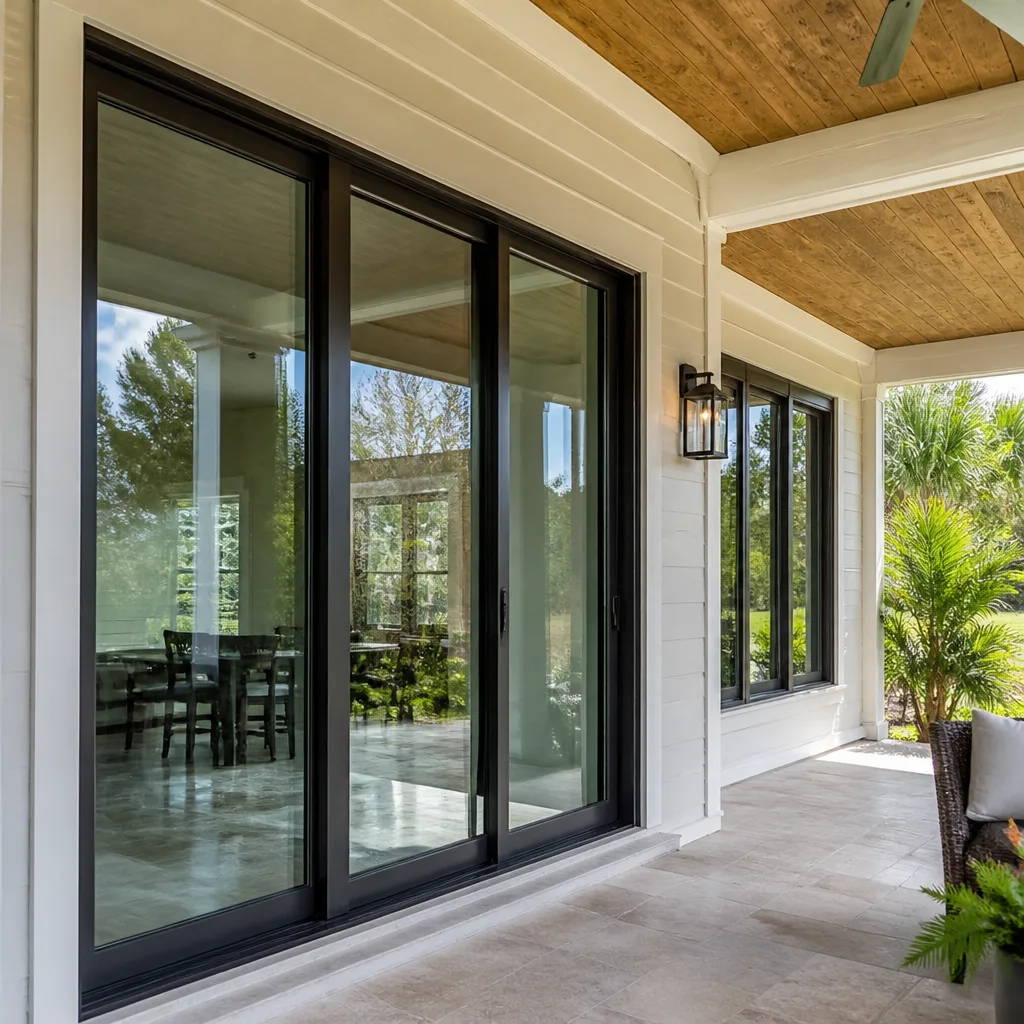 PGT
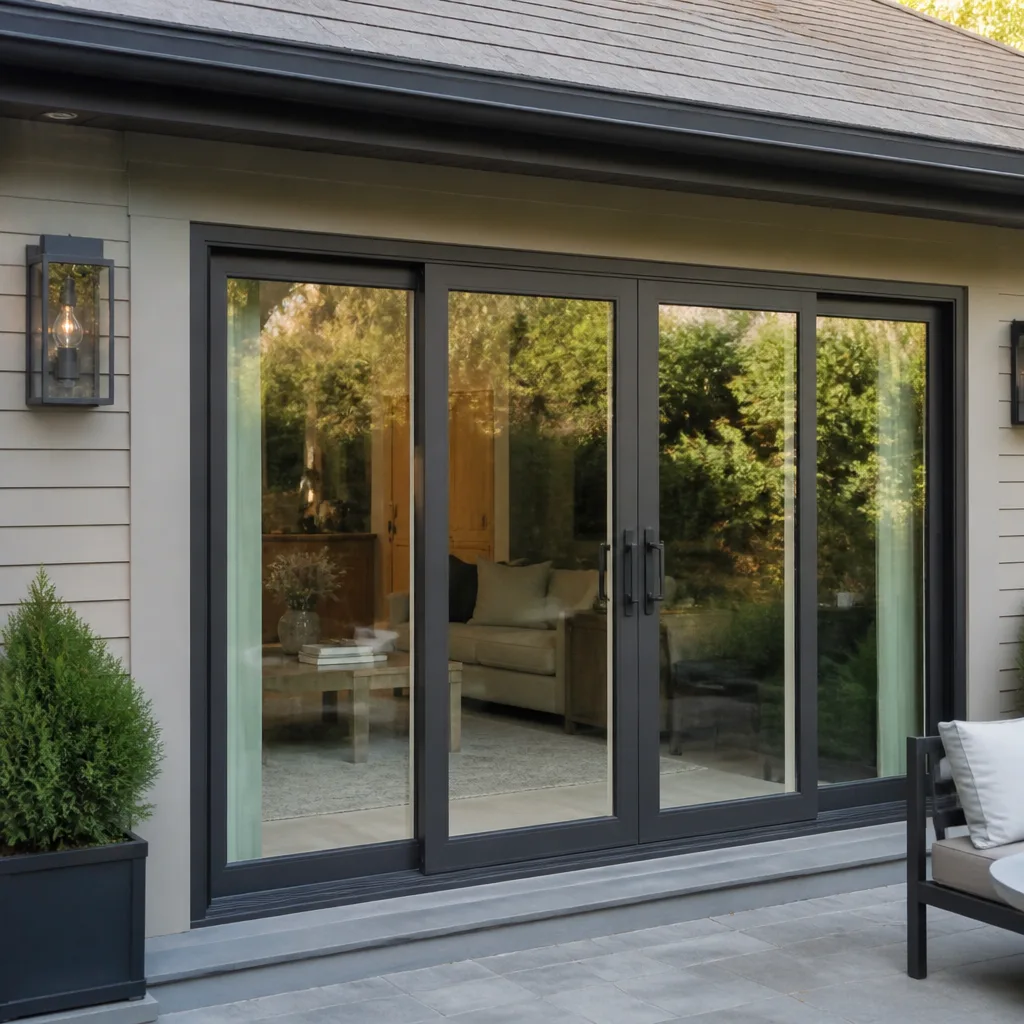 CGI
Free in-home measure and quote - PGT, CGI and CWS impact lines compared on your actual openings, style by style
Get your free estimateWindows & Doors Emergency Preparedness Guide for Rancho Cordova Homes
Most emergency prep advice tells you to stock water, charge your phone, and know your evacuation route. Almost none of it tells you that the openings in your house – your windows and doors – are the first line of defense in three of the emergencies Rancho Cordova actually faces: wildfire smoke, earthquakes, and flooding along the American River corridor. Here’s the counterintuitive part. A house can be prepped for one of these and still fail badly at another, because each threat asks something different of the same window or door. This guide walks through the sealing, glazing, and threshold questions that generic checklists skip. You’ll learn what actually holds up, what’s worth pre-staging, and how to inspect your openings after a significant event.
Quick Answer
In Rancho Cordova, the three emergencies that most affect windows and doors are wildfire smoke infiltration, seismic movement, and periodic flooding near the American River. Sealing against smoke means tight weatherstripping and multi-point door locks; surviving an earthquake means tempered or laminated glass in properly rated frames; and resisting flood water means door thresholds and barrier products staged before the water arrives. The right product for each risk is different, and impact-rated systems only make sense in this region when the homeowner is addressing security, wind-borne debris, or noise alongside the base risks.
Styles & brands we work with
- Single hung
- Double hung
- Horizontal roller
- Casement
- Bay & bow
- Sliding glass doors
- Entry doors
- Impact garage doors
- PGT
- CGI
Table of Contents
- Smoke Infiltration: Which Windows and Doors Seal Tightest
- Earthquake Preparedness: Tempered vs. Laminated Glass
- Flood Scenarios: Door Thresholds and Barriers That Actually Work
- Impact-Rated Windows: When They Make Sense in Rancho Cordova
- Post-Emergency Inspection Protocol
- What to Pre-Stage Before Emergency Season
- Common Mistakes to Avoid
- When to Call a Professional
Smoke Infiltration: Which Windows and Doors Seal Tightest
During major wildfire smoke events, indoor fine particulate levels in valley homes with poorly sealed openings can climb close to outdoor levels. The difference between a window that seals and one that doesn’t is not a comfort question – it’s an air quality threshold question. Fine particulate (PM2.5) sneaks through gaps you can’t see: the meeting rail on a single-hung window, the weatherstripping along a sliding patio door track, the bottom sweep on an exterior door that has lost its spring.
Not all window types seal equally. Here’s the practical ranking for our region:
- Casement and awning windows compress a gasket when they close and typically seal tighter than any other operable type. They’re the strongest choice for a smoke-exposed wall.
- Fixed (picture) windows offer the tightest seal of all – no operable path at all – which is why combining picture windows with fewer operable vents is a smart smoke strategy.
- Single-hung and double-hung windows rely on weatherstripping along the meeting rail, and older units lose that seal long before the glass fails.
- Sliding patio doors depend on track seals, rollers, and a bottom sweep. They’re the opening most likely to leak smoke in a Rancho Cordova home simply because of the number of wear surfaces.
- Entry doors with multi-point locking pull the slab or sash tight against the frame at multiple points. A Therma-Tru fiberglass entry door system with proper weatherstripping gives you a much tighter smoke seal than a builder-grade door with a single deadbolt.
For emergency wildfire events, foam weatherstripping tape pressed into obvious gaps helps, but it’s a stopgap. It compresses, peels, and leaves adhesive residue. The real answer is fixing the source of the leak, which usually means replacing the weatherstripping or replacing the unit. We’ve seen a lot of Rancho Cordova homes where the original builder-grade windows have simply aged out of their seal, and no amount of tape overcomes a warped sash. If that’s your situation, our Window Replacement Rancho Cordova page walks through what a proper replacement seal looks like.
Earthquake Preparedness: Tempered vs. Laminated Glass
When the ground shakes, the most common window injury isn’t from the frame failing – it’s from broken glass. A seismic event doesn’t need to be dramatic to shatter a single pane. Which glass type you have matters more than most homeowners realize.
Tempered glass
Tempered glass is heat-treated to break into small, relatively blunt granules rather than large shards. It’s much less likely to slice skin. But it still breaks, and the granules become a floor hazard. Tempered glass is required by building code in specific locations – specifically, glazing that extends near the floor level, near a door, or in a bathroom where a slip could send someone through the pane. Many newer Rancho Cordova homes have tempered glass in these locations already.
Laminated glass
Laminated glass holds together because of an interlayer – the same principle as a car windshield. When it breaks, the shards remain adhered to the film. This is the safety glazing most often recommended for seismic zones in windows and doors, because the pane stays in the frame instead of falling into the room. For a homeowner worried specifically about earthquake safety, laminated is the stronger choice.
What the code requires
California’s building code sets the safety glazing requirements (the locations where glass must break safely), and local jurisdictions adopt and enforce it. The code does not require impact-rated glass on every home. It requires safety glazing in defined hazardous locations and requires glazing to meet wind-load requirements in designated zones. If a Rancho Cordova home is being built or substantially remodeled, the local building department enforces these rules at permit. If you’re replacing windows, ask what glass the original windows used and whether laminated or tempered makes sense for the room. We carry window installation options in both glass types, and comparing them side-by-side is part of the conversation, not a sales pitch.
What actually stays in the frame
Beyond the glass, the frame and anchoring matter. A properly anchored frame flexes with the building and keeps the sash in place. A frame that’s been pried loose by years of minor movement will not. Seismic performance is the sum of the frame anchoring plus the glass type plus the locking mechanism. This is why we recommend a full inspection of older units in Rancho Cordova homes rather than a piecemeal fix.
Flood Scenarios: Door Thresholds and Barriers That Actually Work
Rancho Cordova’s American River corridor carries real flooding risk during heavy winter rains when the watershed runs high. When floodwater reaches your doors, the question is simple: does water get under the threshold, and do you have a barrier before it does?
Which doors resist water and which fail
- Properly installed exterior doors with a raised threshold and a door sweep in good condition give you the best baseline. Fiberglass entry doors with sealed threshold pans (we recommend Therma-Tru for this reason, among others) perform better than wood doors that swell and stick.
- Sliding patio doors set into a track typically leak at the track ends unless they’re specifically designed with a raised water dam. Many standard track designs are only good to a low water level before water finds the interior.
- Garage doors are not water barriers – the sectional seams and bottom gasket are designed to keep wind-driven rain out, not standing water. If your garage slab is level with the driveway, standing water enters first there.
- French and in-swing doors are the weakest in a flood scenario because the threshold pan and gasket are relatively shallow by design.
What barriers are worth pre-staging
- Door dams or flood barriers – reusable, adjustable aluminum or plastic units that slot into threshold channels. Buy them for the two or three exterior doors that face the low side of your lot.
- Sandbag alternatives – water-activated gel bags are lighter to store than sandbags and easier to deploy.
- Threshold sweeps – a fresh bottom sweep on every exterior door cuts the gap water and smoke both exploit.
- A wet/dry shop vac with a squeegee attachment, staged in the garage, so you can pull water off a slab quickly if a door does leak.
The lesson: your door isn’t the flood barrier. Your barrier is the barrier. The door’s job is to seal tight and drain correctly, which is exactly what a properly installed door replacement delivers.
Impact-Rated Windows: When They Make Sense in Rancho Cordova
Impact-rated windows are engineered to resist wind-borne debris, high wind loads, and forced entry. They’re tested to Miami-Dade and other strict standards, and brands like PGT build their entire reputation on them. But “should I upgrade to impact-rated?” is a question that deserves a straight answer, not a sales sweep.
In Rancho Cordova’s context, impact rating is worth considering when:
- Security is the primary concern. Impact units resist breakage under forced entry significantly better than standard glass.
- Wind-borne debris is a realistic risk on an exposed lot or near tall trees.
- Noise reduction matters. The laminated interlayer in most impact systems damps sound, which helps near busy roads.
Where it doesn’t match the risk profile:
- For smoke infiltration, impact rating doesn’t help much. Sealing matters far more.
- For seismic safety, laminated or tempered safety glazing is the better-targeted spend. Impact rating is a different spec aimed at wind-borne debris and wind load.
- For flood, impact rating is irrelevant. Thresholds and barriers are the investment.
We carry PGT and CGI impact systems alongside energy-focused options from ECO Window Systems and ES Windows, so we can price the impact option next to a standard one and let you see the difference. That’s the specialist’s job: showing you the trade-offs, not pushing you toward the product that happens to be in stock.
Post-Emergency Inspection Protocol
After a significant event – a smoke wave, an earthquake you felt, or a flood that reached your lot – the most important step is the inspection. Windows and doors often fail silently: a hairline crack in a sash, a gasket that has compressed, a threshold that has bowed. Here’s the sequence we recommend when inspecting any Rancho Cordova home after an event.
- Walk the perimeter and look at the glass. Check every pane, including upstairs and behind blinds. A small crack in safety glazing can be invisible until it propagates.
- Test every lock and handle. A door that locks with more resistance than before may have shifted in its frame.
- Check the meeting rail on sliding and double-hung units. If the sash doesn’t line up cleanly, the frame has moved and the seal is compromised.
- Inspect weatherstripping and sweeps. Run your hand along the perimeter of each door and window; a draft means a gap.
- Look for water intrusion at thresholds after a flood. Staining, swelling, or soft spots on the interior trim or subfloor are signals water has gotten past.
- Check anchoring and trim. Look at gaps between the frame and the drywall. New gaps mean movement.
- Confirm the unit still operates smoothly. An operable window that no longer opens is a pending failure, not a minor inconvenience.
If any of the above turn up a problem, don’t assume it’s fine. Call a specialist. The cost of an inspection is far lower than the cost of a door that fails halfway through the next smoke event because the gasket had gone. We line up free estimates on any Rancho Cordova home where the inspection raises questions.
What to Pre-Stage Before Emergency Season
Prep work for windows and doors is mostly about having the right items on hand before you need them. Do this in a low-effort afternoon and refill every spring.
- Two door dams or flood barriers, one per low-side exterior door.
- Water-activated gel bags (a fold-flat stack beats sandbags for storage and deployment).
- Foam weatherstripping tape for emergency smoke-sealing gaps (a stopgap only).
- A fresh can of silicone spray for door sweeps and window tracks so they don’t bind during a real event.
- A shop vacuum with a wet attachment, already assembled, in the garage.
- A printed copy of your home’s window and door sizes so a replacement decision can be made quickly if needed.
- Fresh batteries for every smoke and carbon monoxide detector, because an emergency is not the moment for missed alarms.
A word on emergency weatherstripping for wildfire events
There are purpose-made products – self-stick gaskets, foam tape in various widths, slide-on sweeps – that help in an emergency. They’re not a substitute for proper sealing. If you find yourself installing emergency weatherstripping every fire season, that’s a sign the underlying units need attention, not more tape. We’ve seen a lot of Rancho Cordova homes where that pattern repeats for years. Replacing the problem openings once usually ends the cycle, and a walkthrough with a specialists’ eye will tell you whether you’re one unit away or a whole-home project away. Learn more about the timeline and options in our window replacement guide.
Common Mistakes to Avoid
- Confusing comfort with safety. A window that feels drafty and a window that’s a glass hazard are two different problems. Fixing one doesn’t fix the other. In Rancho Cordova, homeowners often tighten a draft and still walk away with untempered glass in a hazardous location.
- Buying a full impact-rated set because of smoke worry. Impact rating is engineered for wind-borne debris, not infiltration. It’s the wrong spend for a smoke problem, and you’ll be paying a premium for spec that doesn’t address the risk.
- Ignoring the meeting rail on double-hung units. It’s the most common smoke leak point and the cheapest thing to inspect.
- Assuming the garage door is fine. Sectional garage doors aren’t water barriers. If your garage slab is level with the driveway, water reaches it first.
- Taking the “one company does it all” shortcut. A general contractor who also swaps windows will install whatever brand they stock. A windows-and-doors specialist will show you the trade-offs across brands like PGT, ViewLux, and Therma-Tru and let you choose.
- Skipping the post-event inspection. A hairline crack in a safety glazing unit can be nearly invisible. Inspecting after each event saves you money later.
- Leaving pre-staged barriers in the box. A flood barrier you can’t deploy fast doesn’t help. Practice the install once, at low risk, before you actually need it.
When to Call a Professional
Call when you can’t trace a smoke leak to a single gap in the weatherstripping. Call when a door no longer latches cleanly after an earthquake you felt, because that usually means a frame has shifted and needs real anchoring work rather than a door stop. Call when you see staining or a soft spot at a threshold after a flood, because hidden subfloor damage compounds quickly. Call when a sash or glass has cracked and you need to know whether the whole opening is compromised or just one unit. Call when you’re weighing impact-rated systems against standard ones and want the spec sheets side-by-side instead of a single-vendor pitch. Window Replacement Rancho Cordova offers free estimates in Rancho Cordova – call (279) 321-4428. We take window and door replacement or installation projects of three openings or more, so the visit is worth it if you’re ready to fix the openings themselves, not just patch an emergency for one more season.
See the difference
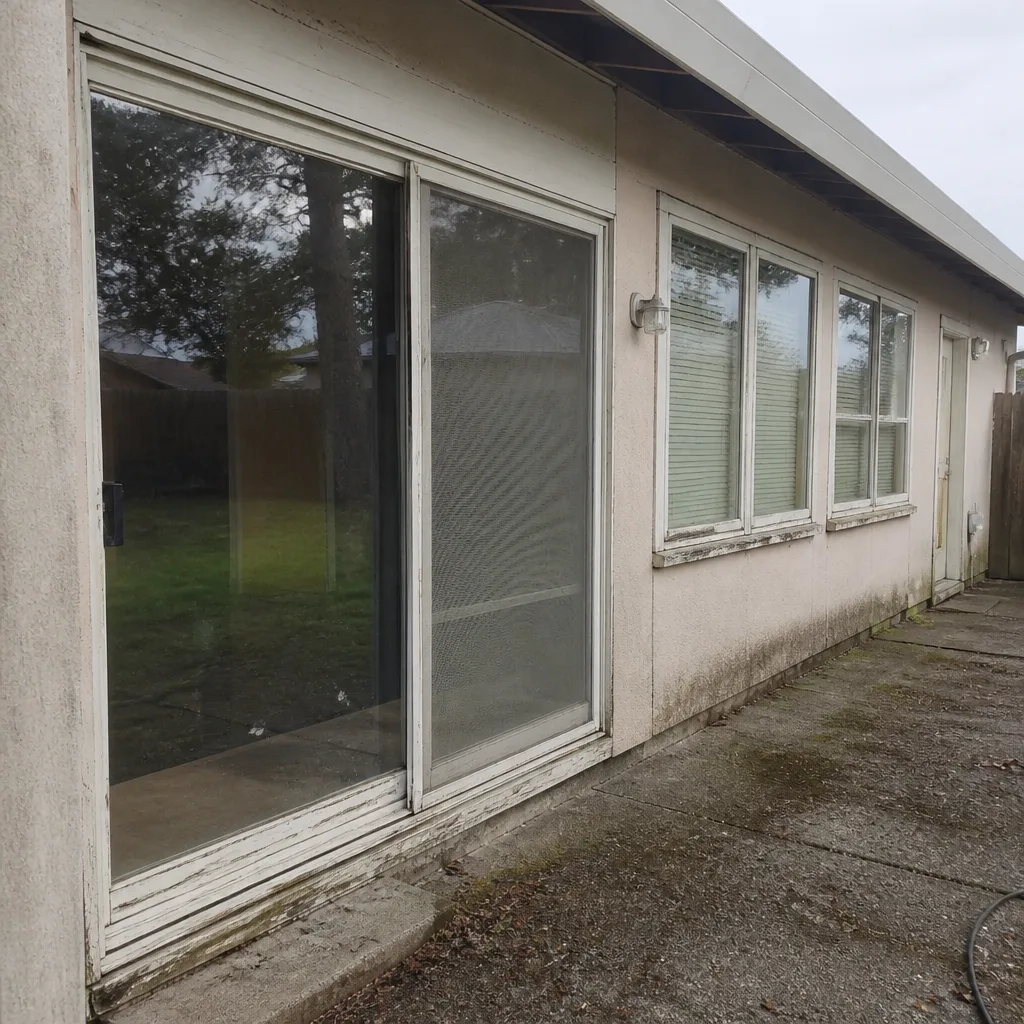 Before
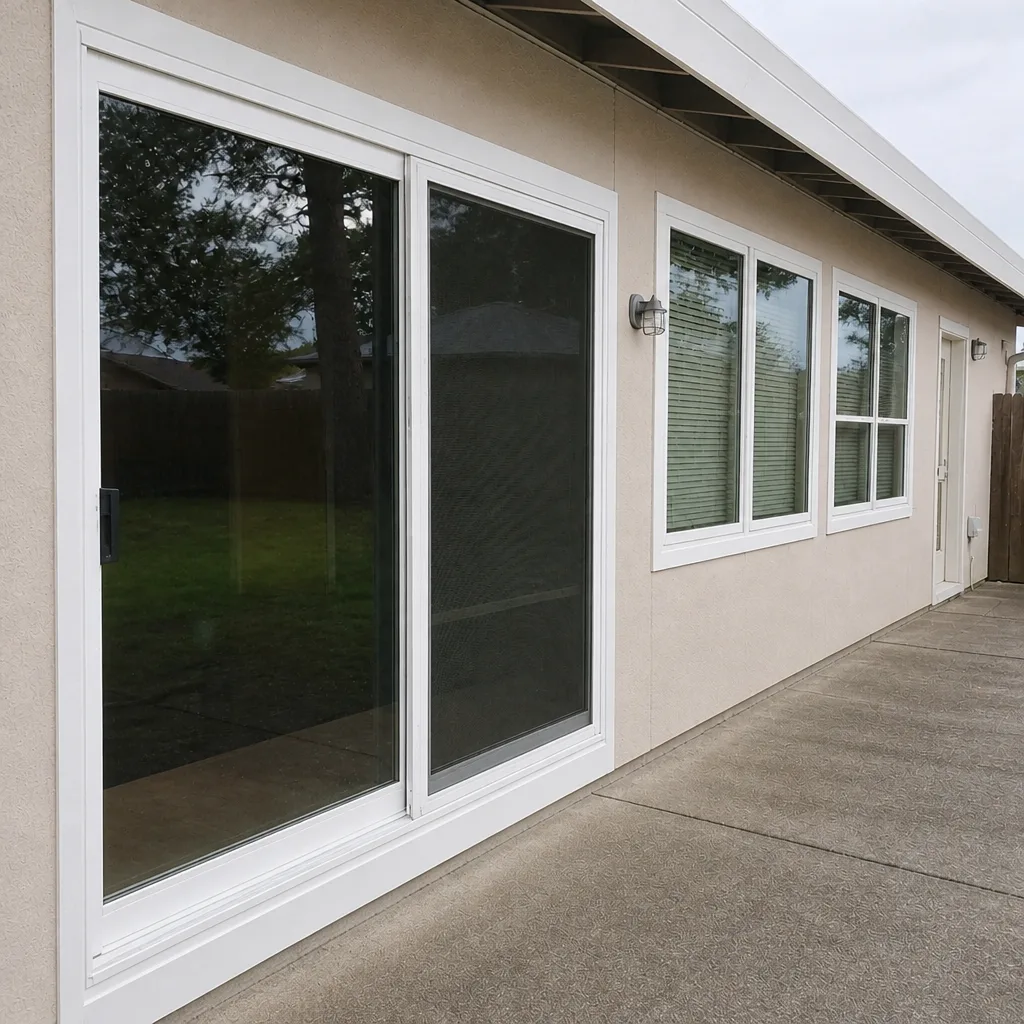 After
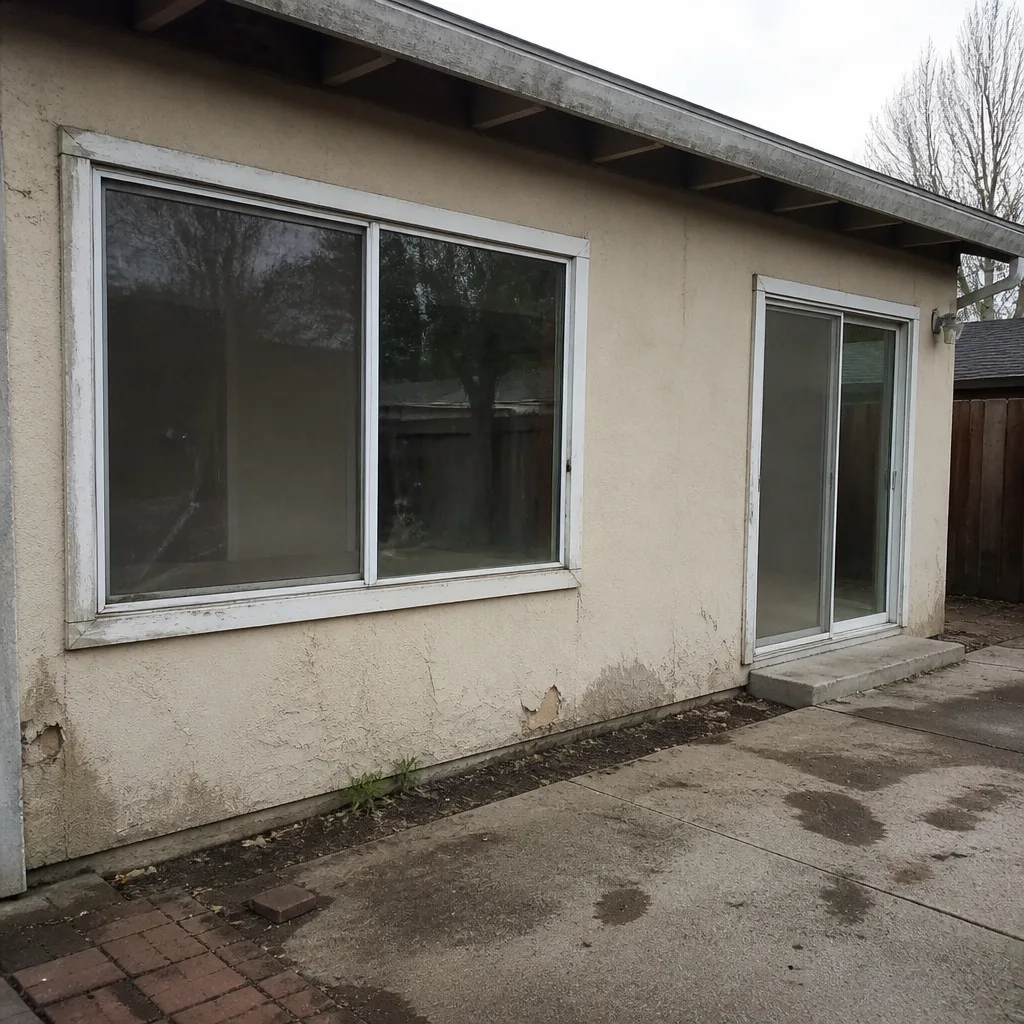 Before
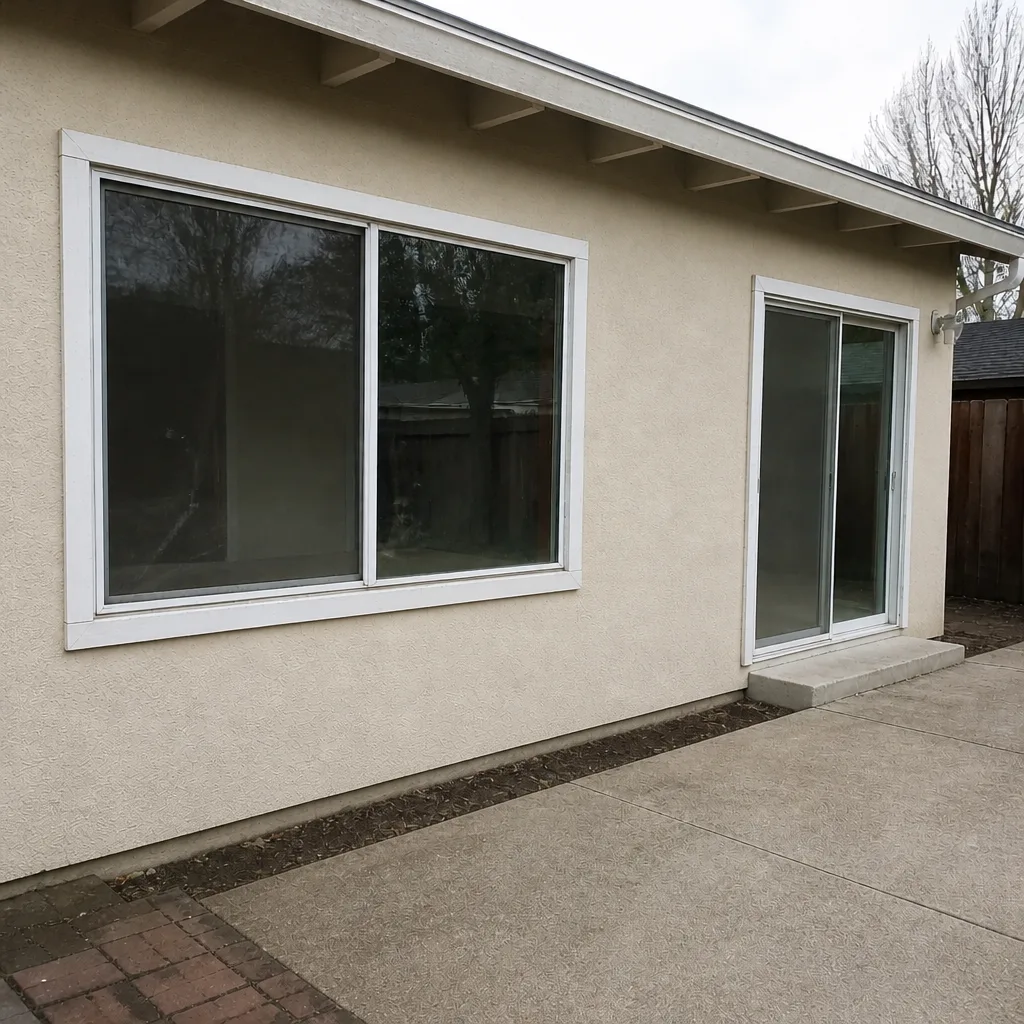 After
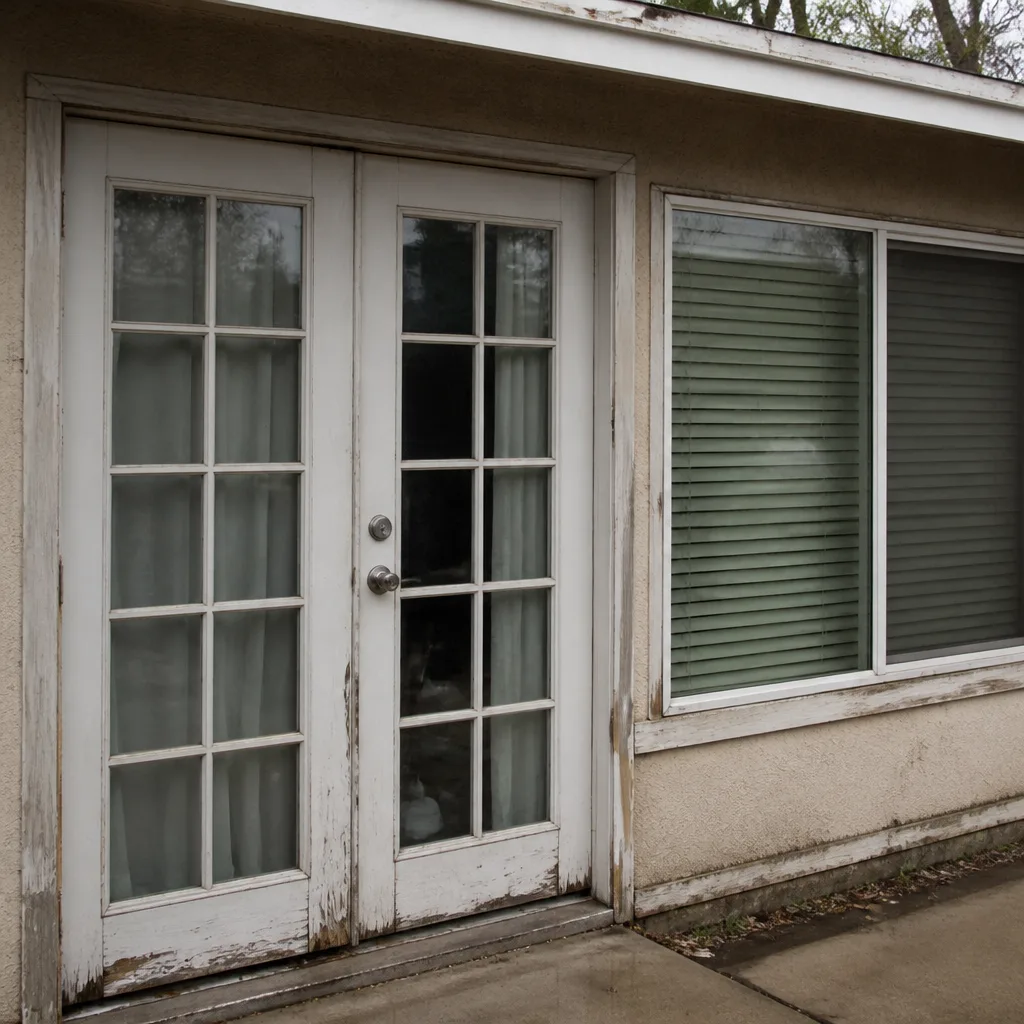 Before
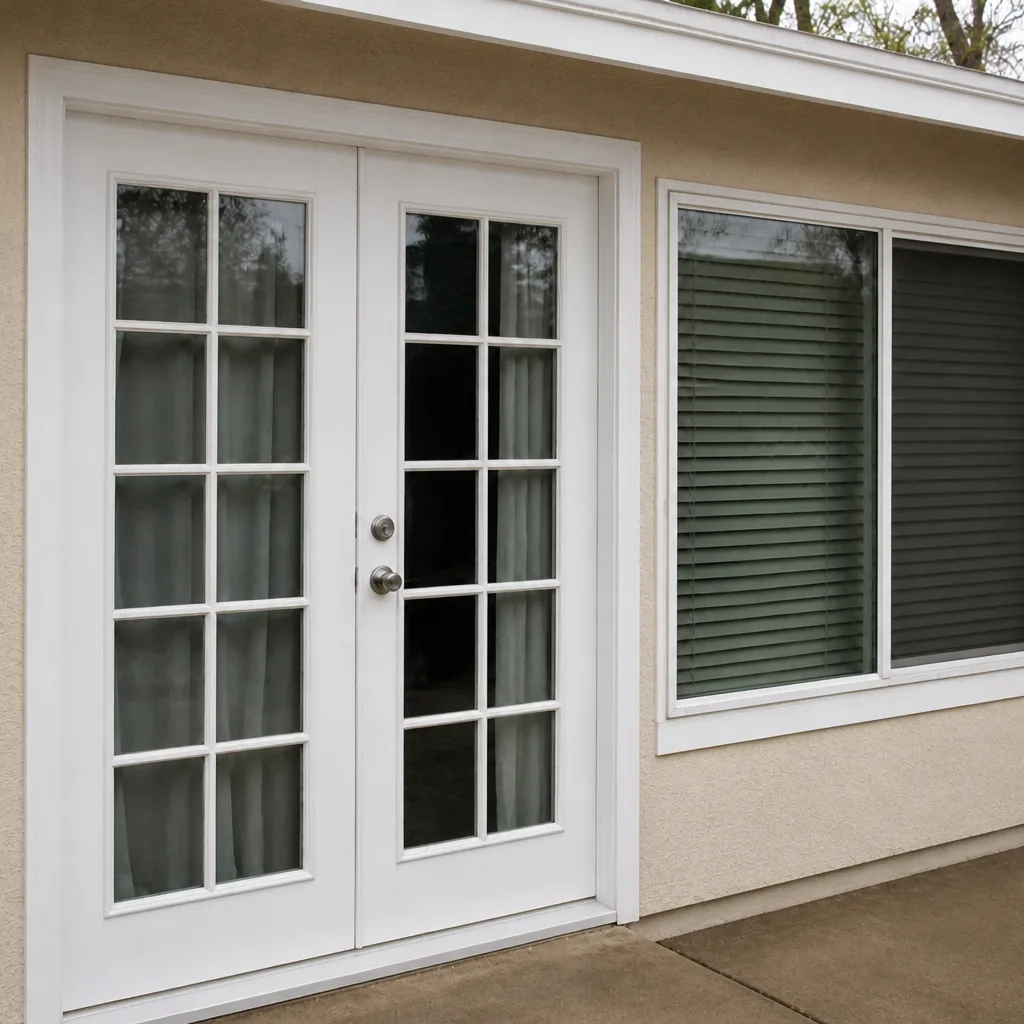 After
Frequently Asked Questions
Fix the seal, not the tape. A homeowner’s most useful prep step is confirming that weatherstripping, door sweeps, and meeting-rail gaskets are intact and that every operable unit closes tight. Tape only helps in a short-term emergency; a sealed window is the real protection against smoke infiltration. If the gaskets are worn, replacement is the durable fix, and calling (279) 321-4428 for a free estimate is a good next step.
Laminated glass stays in the frame because its interlayer holds shards together, while tempered glass is much less likely to cut you when it breaks. Neither guarantees the frame stays intact, which is why anchoring and locking matter alongside the glass. For the strongest seismic performance, laminated safety glazing in properly anchored frames is the combination.
Impact-rated units cost meaningfully more than standard glazing, and pricing depends on size, frame type, and mounting condition. We don’t publish a single number because the variables matter. Call (279) 321-4428 for a written line-item estimate – estimates are free, and we’ll price the impact option next to the standard one so you can see the difference.
Most window and door replacements require a permit, so confirm with your city’s building department before work starts. We pull the permits and manage inspections as part of the job, and the earlier we’re involved the smoother permitting goes. Call (279) 321-4428 to line up a free estimate and we’ll walk you through what your project needs.
A properly installed exterior door with a raised threshold and an intact door sweep holds up best, and fiberglass entry doors perform better than wood doors, which swell and stick. Sliding patio doors typically leak at the track ends unless designed with a raised water dam. Your real protection is a pre-staged barrier at the door. Calling (279) 321-4428 gets you a free estimate on upgrading the door itself.
Installation timing depends on how many openings and how complicated the removal is. A typical multi-opening job is measured in days, not hours, and we set expectations on the written estimate. The price is set by the line-item estimate with no change orders, so there are no surprises once the job begins. For an exact scope and a free estimate, call (279) 321-4428.
The Bottom Line
Rancho Cordova’s three real emergency threats – smoke, quakes, and flooding along the American River corridor – each demand a different response from your windows and doors. Smoke infiltration is a sealing problem; earthquake safety is a glass and anchoring problem; flood resistance is a threshold and barrier problem. The most common mistake is spending money on the wrong spec, like impact-rated glass to address a smoke leak. Do the pre-staging work, understand your glass types, inspect after every event, and call a windows-and-doors specialist for anything that goes beyond weatherstripping and sweeps. Our technicians have up to 13 years of experience, and we carry brands like PGT, ViewLux, Therma-Tru, and Mr-Glass so the right product for your home gets an honest comparison rather than a single-vendor pitch.
Windows and doors only – it’s all we do. Call (279) 321-4428 to schedule your free estimate and get a written line-item quote for any opening that needs attention before the next emergency season.
Written by the team at Window Replacement Rancho Cordova.