Last updated November 25, 2026
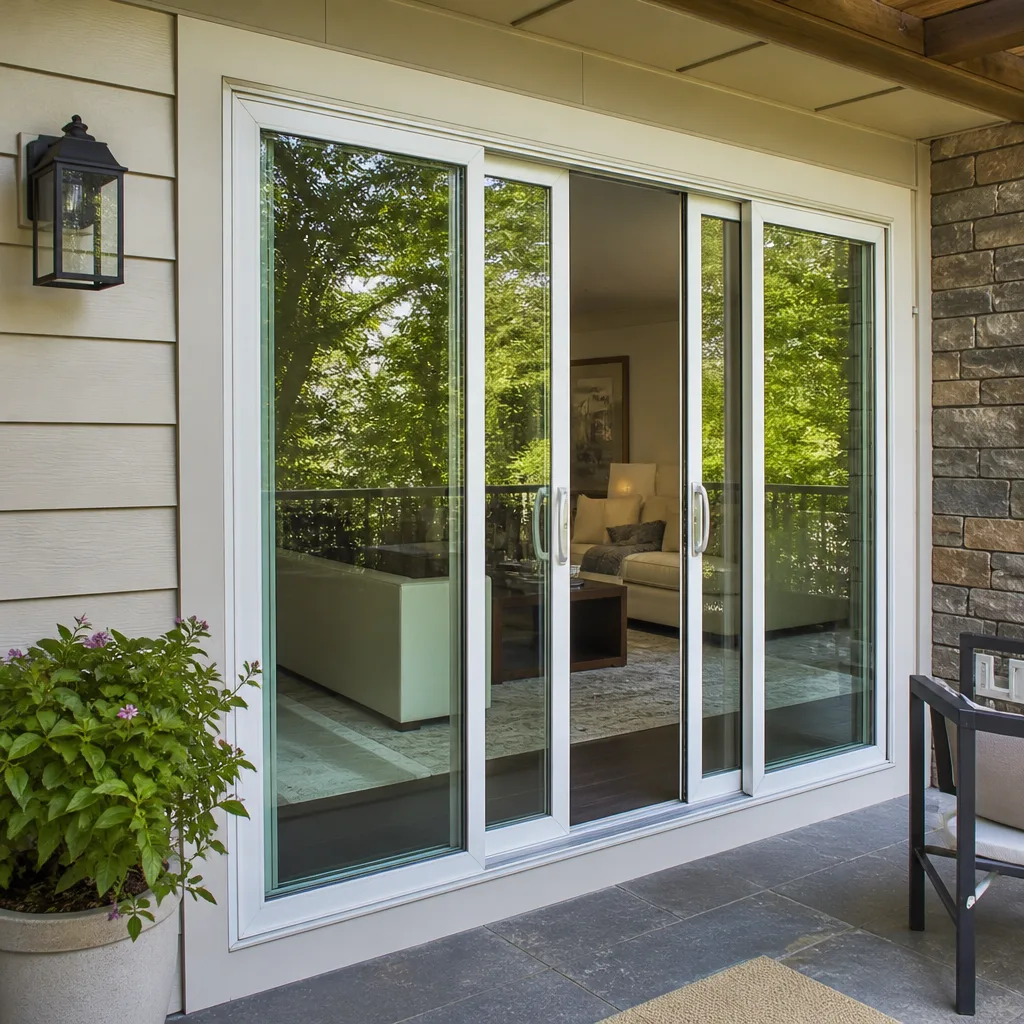 Sliding glass doors
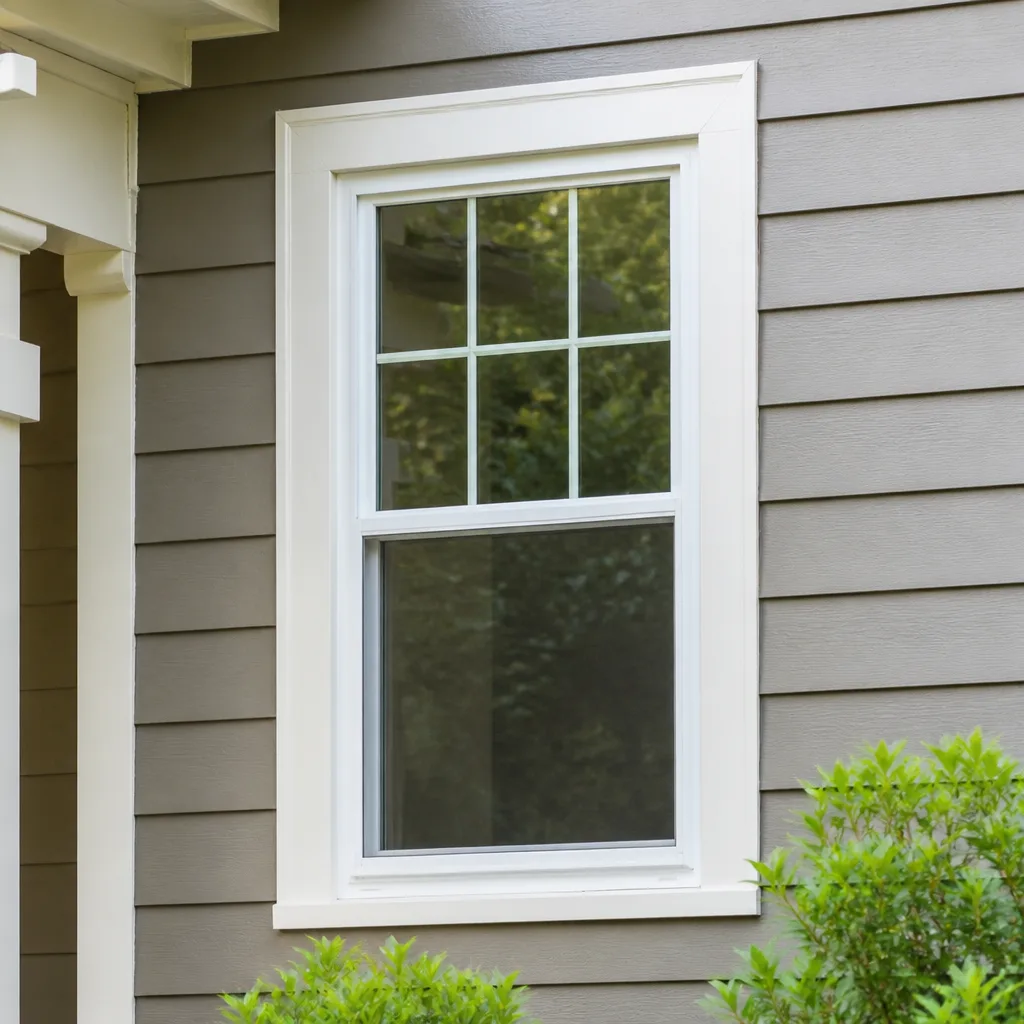 Single hung
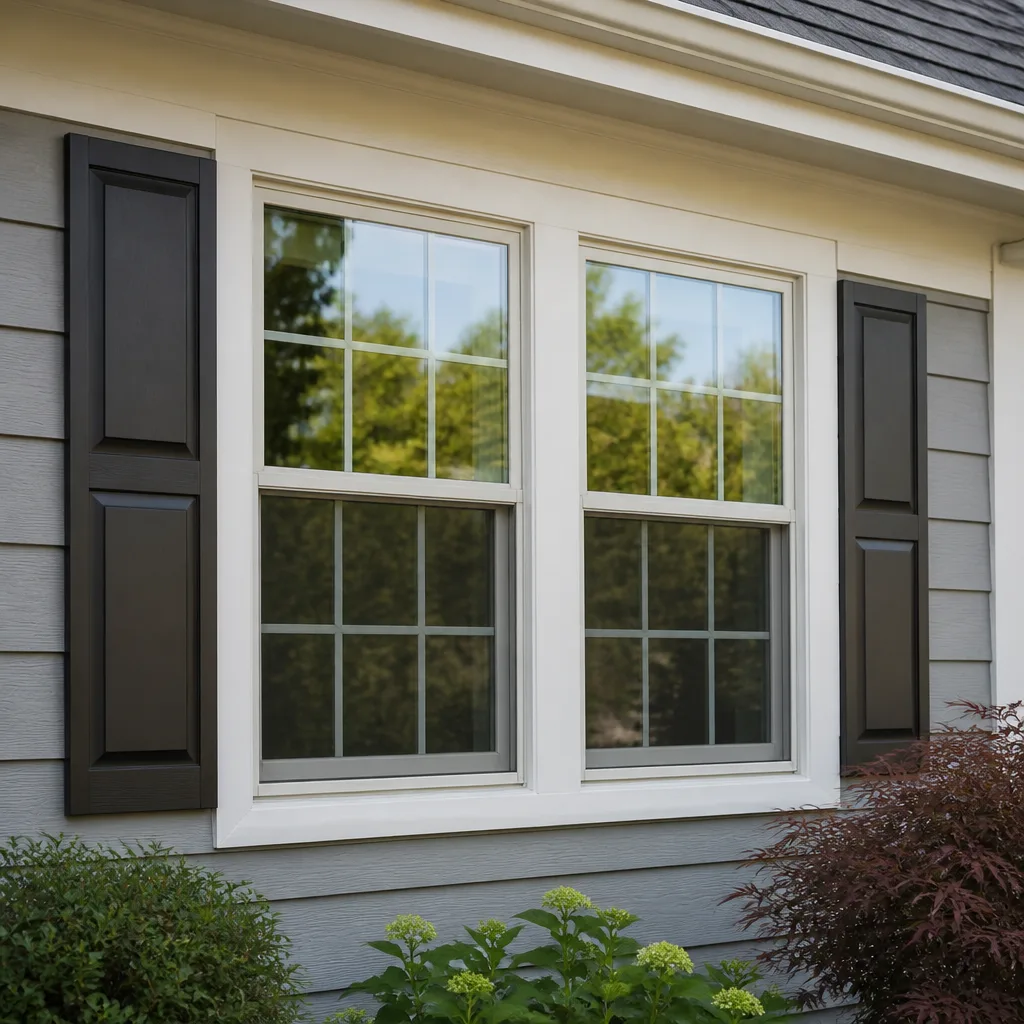 Double hung
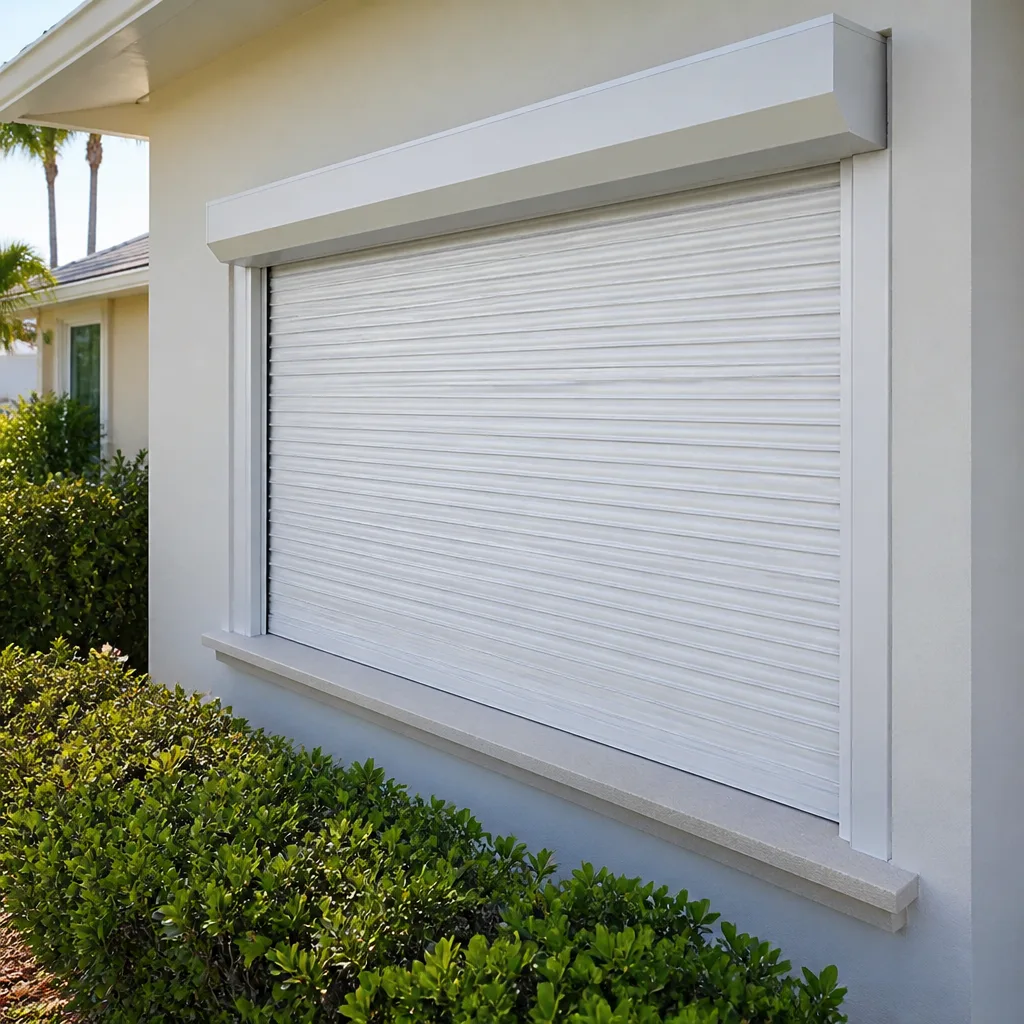 Horizontal roller
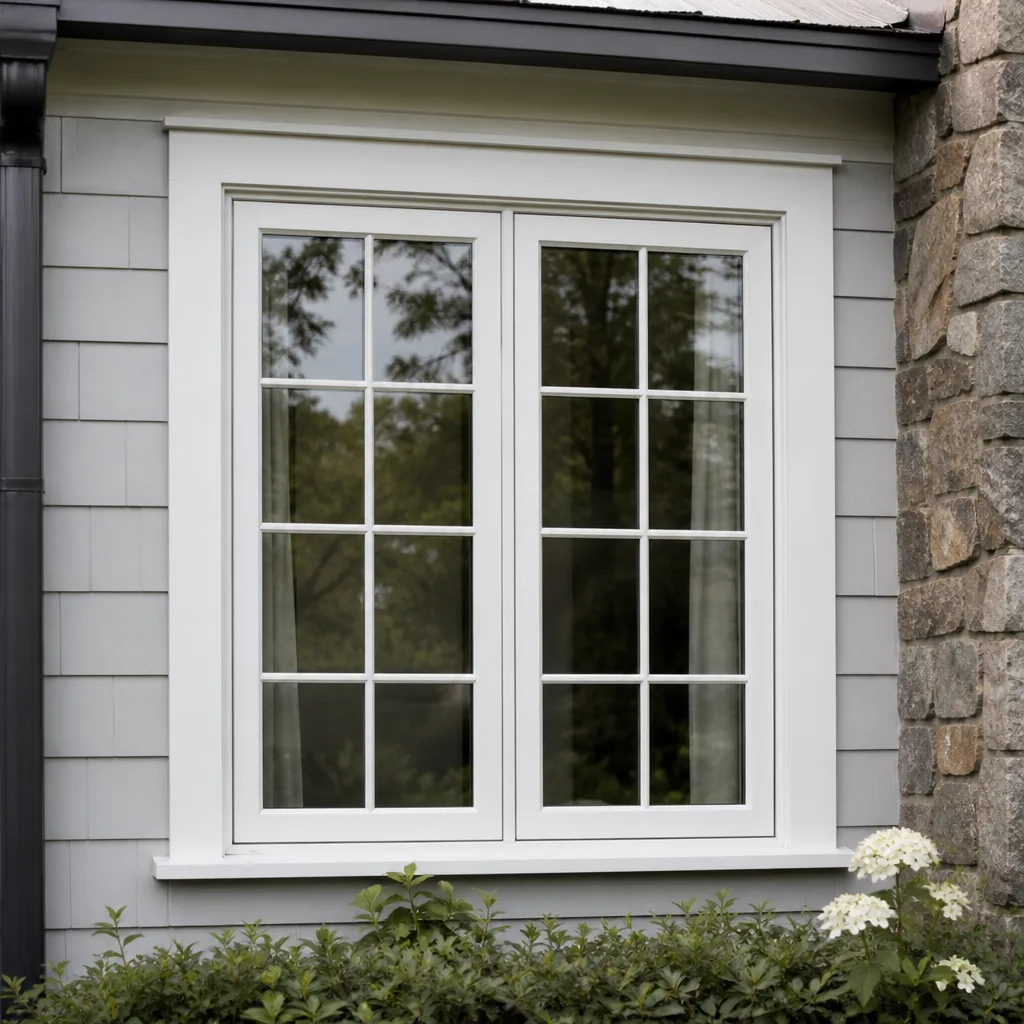 Casement
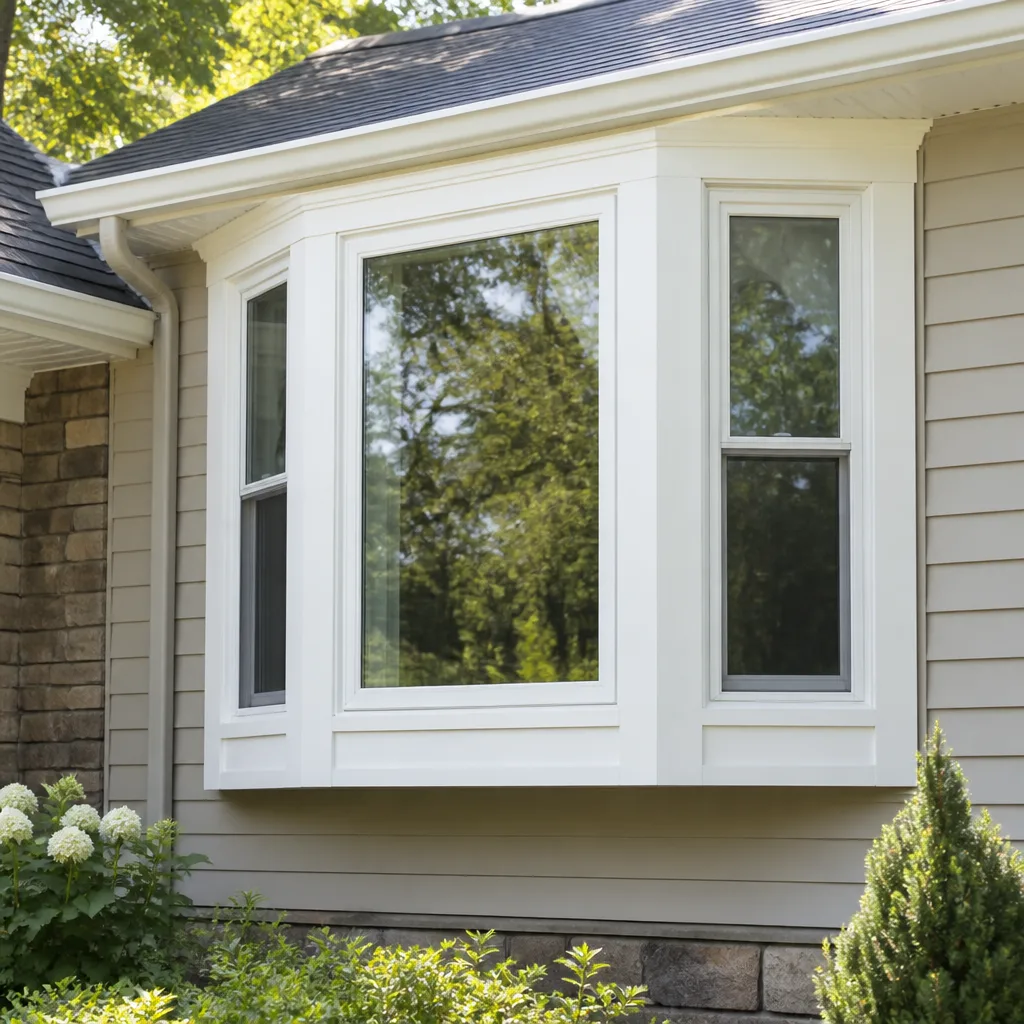 Bay & bow
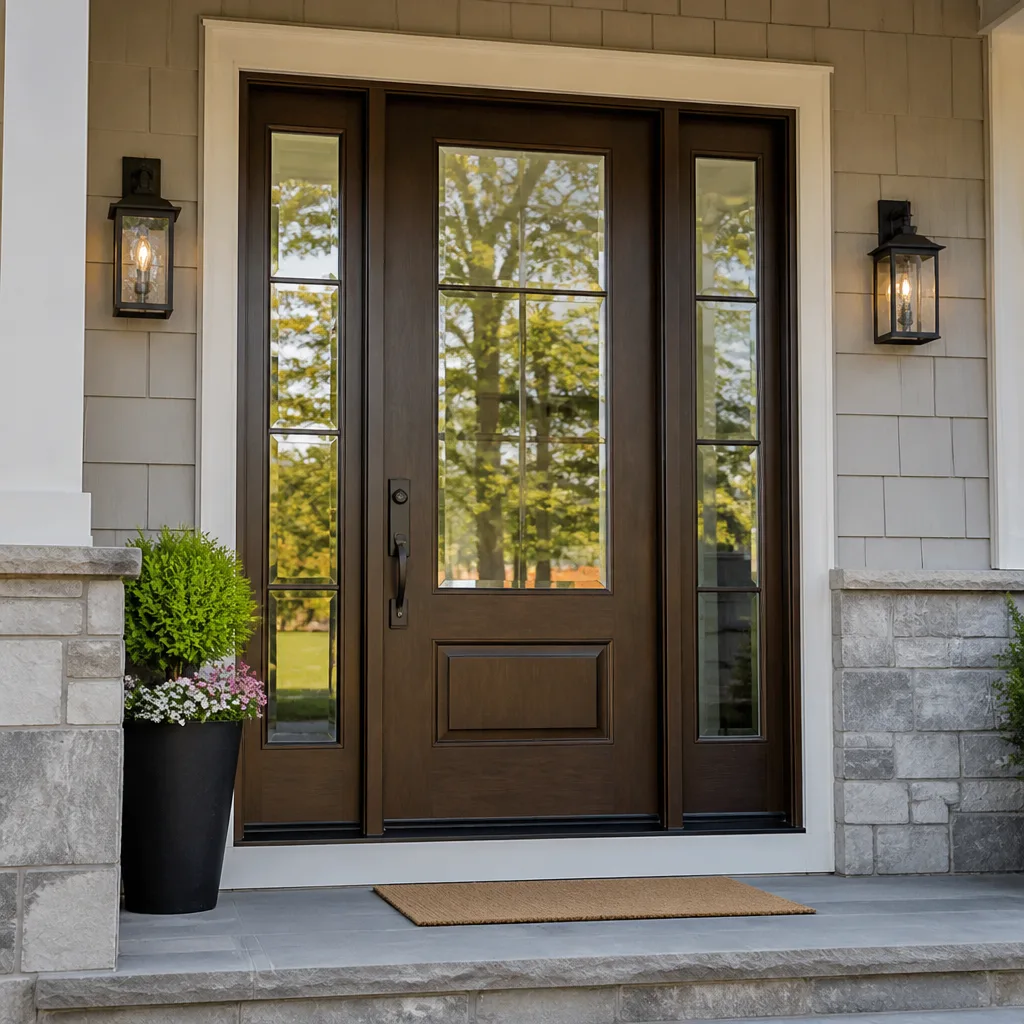 Entry doors
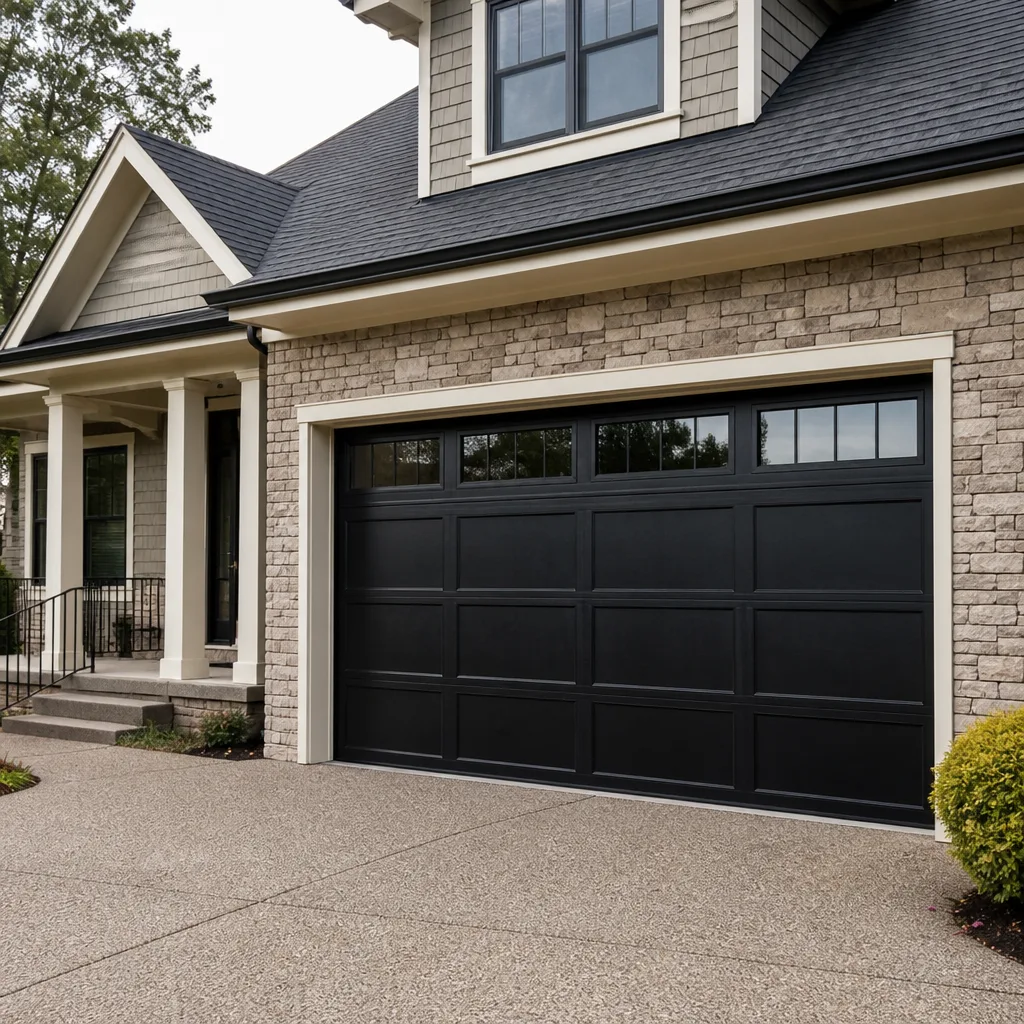 Impact garage doors
 PGT
 CGI
Free in-home measure and quote - PGT, CGI and CWS impact lines compared on your actual openings, style by style
Get your free estimateWindows & Doors Warning Signs: A Rancho Cordova Homeowner’s Reference Guide
Condensation trapped between two panes of glass looks like a cleaning problem. It isn’t. That fog is the visible symptom of a failed seal, and once the seal is gone, the insulating gas inside the unit is gone permanently. No cloth, no spray, no squeegee will bring the clarity back. Most warning-sign guides stop at the symptom and tell you to “watch for foggy glass.” This one works the other way, starting from the specific failure modes that show up in Rancho Cordova homes and tracing each one back to what’s actually causing it. Aging 1970s and 1980s aluminum single-pane originals. Builder-grade vinyl from the 2000s building boom. Doors that have shifted off-plumb as the ground under them settled. By the end, you’ll know which symptoms are cosmetic, which are urgent, and which point to a code problem you shouldn’t ignore.
Quick Answer
In Rancho Cordova, the warning signs that matter most are fogged double-pane glass (a failed seal), frames that chalk or soften under UV exposure, doors that stick or swing open on their own, and energy bills that climb without an obvious cause. Symptoms like a draft or a sticky latch are usually cosmetic or adjustable; a failed seal, a compromised frame, or a door that no longer latches all point toward replacement. Triage in that order: safety and structure first, comfort second, appearance last.
Styles & brands we work with
- Single hung
- Double hung
- Horizontal roller
- Casement
- Bay & bow
- Sliding glass doors
- Entry doors
- Impact garage doors
- PGT
- CGI
Table of Contents
- Why the Symptom Isn’t the Problem
- Foggy Glass: The Failed Seal
- Chalking vs. UV Degradation: Reading Your Frames
- The Sound Profile of a Shifted Door vs. a Failed Hinge
- Decoding an Energy Bill Spike With a Candle
- Aluminum Single-Pane Signage in 1970s – 1980s Tract Homes
- Code Issues vs. Comfort Issues: A Triage Framework
- Common Mistakes to Avoid
- When to Call a Professional
- Frequently Asked Questions
Why the Symptom Isn’t the Problem
Here’s the mistake almost every homeowner makes: treating each symptom as its own separate issue. Fog in one window, a draft under a door, a sticky slider, a rising energy bill. Four problems, four fixes, right? Usually not. In the Rancho Cordova housing stock we work in, those four symptoms often trace back to a single cause – a home built to the energy standards of its era, now living under current conditions. The fog and the draft are two faces of the same failing assembly.
Working backward from cause to symptom changes how you spend money. A homeowner who treats foggy glass as a cleaning problem wastes effort. A homeowner who treats a drafty door as a weatherstripping problem patches it and finds the draft returns by the next cool season. The better approach is to identify which failure mode your home is showing, decide whether that mode is cosmetic or structural, and then make a decision once instead of three times.
That’s the whole premise of this guide. We’re a windows-and-doors specialist – it’s all we do – and what follows is the triage framework we walk homeowners through, written down so you can do the first pass yourself before anyone comes to your door.
Foggy Glass: The Failed Seal in Plain Terms
Fog, haze, or a milky film between the panes means the seal on that insulated glass unit has failed and moisture has entered the gap. The unit is a sealed sandwich: two panes, a spacer, and a gas fill – often argon – that slows heat transfer. When the perimeter seal breaks, the gas escapes and outside air gets in. What you see as fog is moisture condensing in a space that was engineered to stay dry.
Some points worth knowing before you decide what to do:
- The fog can appear and disappear. It shows on cool mornings and clears on warm afternoons. That’s not the window “fixing itself” – it’s the moisture behaving predictably inside a failed unit.
- Cleaning the inside face does nothing. The fog is on a surface you can’t reach without disassembling the unit.
- The energy penalty is real but gradual. A failed unit still blocks wind and rain; it just stops insulating the way it was designed to.
- One fogged unit is a data point. Several is a pattern. In a home where every window was installed at the same time, seals tend to fail around the same age.
For Rancho Cordova homes built in the 2000s boom, the builder-grade vinyl units from that era are now hitting the age where seal failure becomes common. If you bought in a newer subdivision and your double-pane glass is fogging, you’re likely seeing the lifespan of that original equipment play out, not a random defect. When that’s the case, we walk customers through the full range of Window Replacement Rancho Cordova options so they can choose glass and frame specs that match how they actually live, rather than replacing with the same builder unit and repeating the cycle.
Chalking vs. UV Degradation: Reading Your Frames
Chalking is a powdery white film that wipes off a frame and leaves a chalky residue on your fingertip. UV degradation is what happens when that chalking has gone on long enough that the material underneath has actually broken down. They look related because they are – chalking is the early warning, degradation is the late stage. The distinction matters because chalking is cosmetic and degradation is structural.
Use your hands and eyes, in this order:
- Wipe test. Rub a white cloth along a south- or west-facing frame. A little powder on the cloth is chalking. Material coming off in flakes, or the cloth catching on a rough, pitted surface, is degradation.
- Fingernail test. Press a fingernail into the frame in an inconspicuous spot. Aluminum should feel rigid. Vinyl should give slightly but spring back. If your nail sinks in and leaves a mark, that vinyl has lost its formulation to UV exposure.
- Flex test. Push gently on the frame between the glass and the wall. Movement or a hollow sound suggests the frame has lost rigidity. That’s a structural problem, not a cosmetic one.
- Color check. Faded, yellowish, or uneven color on a frame that used to be white points to surface breakdown from years of sun.
Rancho Cordova gets long, bright summers with intense afternoon sun, and the west- and south-facing walls of a house take the worst of it. That’s why aluminum frames on 1970s and 1980s homes often show chalking first on those exposures. Chalking alone doesn’t require a replacement decision – you can clean and move on. But once the frame flexes, pits, or softens, the material is no longer doing its job of holding the glass, sealing against weather, and anchoring hardware. That’s when the conversation shifts from maintenance to window replacement.
The Sound Profile of a Shifted Door vs. a Failed Hinge
A door that sticks, scrapes, or swings on its own is telling you one of two things, and they’re completely different problems. A shifted door has moved off-plumb inside its frame. A failed hinge has lost its ability to carry the door’s weight. Listen and watch closely, and you can usually tell which one you’re dealing with before anything is touched.
Here’s the sound profile breakdown:
- Scrape along the bottom and a heavy thunk at the latch side: classic off-plumb. The door is out of square with the frame, usually because the frame or the wall around it has settled. The hinge itself may be fine – the geometry around it has changed.
- A chirp, squeak, or pop from the hinges as the door moves: hinge wear. The pin or the plates have loosened. The door still fits its frame; the hinge is just not holding it correctly anymore.
- A binding top corner and a gap at the bottom: the door has racked – one corner is higher than the other. This can come from hinge failure or from movement in the frame; the fix depends on which.
- The door swings open or closed on its own: the door is no longer plumb. Gravity is choosing a direction for it.
- The latch won’t catch without lifting the door: the door and frame have moved out of alignment. Sometimes the strike plate adjusts; often the whole assembly has shifted.
Why the fix is completely different: a failed hinge is a hardware swap on a door that’s still sound. A shifted door is a geometry problem, and if the frame has settled, replacing hinges won’t fix it – the door will still bind. In older Rancho Cordova homes where the ground under a slab or a porch has moved, a door that gradually started sticking is often the first sign of that settlement. Replacing the hinge is a temporary answer; a proper door replacement with a correctly shimmed and set frame is the permanent one.
Decoding an Energy Bill Spike With a Candle and a Cold Morning
A spike in your energy bill can come from failing window seals, from gaps around frames, or from the threshold under a door. You can often isolate which without a diagnostic tool. A candle and one genuinely cold morning will tell you most of what you need to know.
Here’s the method – safe and straightforward, done with a candle you never leave unattended:
- Wait for a cold, still morning before the sun hits the walls. Wind ruins the test.
- Turn off the heater and any fans. You want the house still and quiet so any air movement you see is coming from outside.
- Light the candle and hold it near the perimeter of each window – along the bottom sill, the sides, and the top. Watch the flame.
- Note where the flame flickers or leans. A steady lean toward one direction at a frame edge means air is moving through that gap. A flame that flickers near the glass itself, away from the frame, points toward a seal or glass issue.
- Repeat at the bottom of each exterior door – specifically at the threshold and along both sides of the door slab.
- Write down your findings room by room. Patterns – every west-facing window, both sliding doors – are more meaningful than a single flicker.
What the test tells you in plain terms: a flame that reacts at the frame gap is a perimeter problem – sealant, shims, or flashing. A flame that reacts along the glass or at the threshold is an assembly problem – the unit itself or the door’s weather seal and threshold. A group of windows and doors that all react points to a whole envelope of builder-era product reaching end of life, which is exactly the pattern in much of this city’s mid-century and 2000s-era housing stock.
Our technicians have up to 13 years of experience reading these patterns, and we’ll confirm what the candle suggested with a proper look. You don’t need us for the first pass, though – the candle method alone will tell you whether to call or wait.
Aluminum Single-Pane Signage in 1970s and 1980s Tract Homes
If your Rancho Cordova home was built in the 1970s or 1980s, there’s a good chance the windows are aluminum-frame single-pane originals. That means one sheet of glass per opening, no gas fill, no spacer, and aluminum frames that were never designed to insulate much of anything. These units can last a long time, but when they’re truly at end of life, they show it in specific ways.
Signs an aluminum single-pane unit has reached the end:
- Visible corrosion pitting on the frame – white or gray pitting along the sill and weather-facing faces that doesn’t clean off.
- Frame oxidization that now rusts – a rust tone on a spot that was previously bare or painted means the protective oxide layer is gone.
- Glazing putty or gasket failure – the seal where glass meets frame is chalking, cracking, or missing. This is usually the first true failure on an aluminum unit.
- Glass that rattles in the frame – the glazing has let go and the pane is loose. This one is a genuine hazard and the unit should be treated as failing.
- Draft across the glass surface itself – aluminum transmits cold exceptionally well, so the glass feels cold to the touch and air movement near it is from convection, not a gap.
- Deep condensation on the room-side glass – not the between-pane fog of a double-pane unit but heavy moisture on the inside face every cold morning.
An aluminum single-pane unit that still seals and shows no pitting is not automatically a problem. But when pitting, putty failure, or a rattling pane all show up together, that unit has done its service. Most homes of this era in Rancho Cordova can transition to a modern energy-rated product from a brand like ECO Window Systems that’s built for this climate, and that’s where the improvement in comfort and utility costs comes from.
Code Issues vs. Comfort Issues: A Triage Framework
Not every warning sign is equally urgent. Some are about how a home feels; some are about whether a home is safe. Separating those two categories is the single most useful thing you can do when you’re deciding what to address first.
Here’s the framework we use:
- Safety first – egress. Every bedroom must have at least one operable window or door that provides a clear exit to the outside. If a window has been painted shut, screwed closed, blocked by furniture permanently, or replaced with a unit that doesn’t open wide enough to allow passage, that’s a code issue and not a comfort issue. Check each bedroom’s window for an unobstructed opening.
- Structure next – lintels and headers. A window or door set into an exterior wall is supported by a header above it. When a lintel fails or the header sags, you’ll see the symptom in the opening itself: a door that no longer fits, a window that binds, a visible crack in the wall above the opening. That’s not cosmetic; it’s a structural repair before a window or door decision can even be made.
- Weather and water next – active leaks. Water entering around a frame during rain, staining on the interior drywall below a window, or wet framing visible at a corner all point to failed flashing or sealant. Water intrusion gets priority over any cosmetic concern.
- Comfort after that – drafts, fog, and noise. Drafts, foggy glass, and street noise coming through a window fall into the comfort category: annoying, worth solving, but not in the same league as an egress or structural problem.
- Appearance last – chalking and fading. These affect curb appeal and can signal the start of a bigger problem, but the window or door is doing its job until the material actually softens or fails.
The triage result is your priority list. Safety and structure get addressed before comfort and appearance, every time. If you walk through the list and two or more items land in the first two tiers, that’s your call-a-professional signal. If everything in your home lands in tiers four and five, you have more time than the symptoms are telling you.
Common Mistakes to Avoid
- Treating foggy glass as a cleaning task. It’s a failed seal, and no cleaning will fix it. The time you spend scrubbing is time you could spend getting a real quote.
- Replacing one window to “match.” If your home’s original windows were installed together, replacing one unit on its own creates a mismatched, out-of-sync assembly. We recommend replacing units in groups that were installed together – and as a matter of scope, we take projects of 3 openings or more.
- Assuming every draft is a seal problem. Frame gaps, threshold failures, and sealant issues all look like “drafts” from inside the room. Use the candle test to isolate the source before deciding what to address.
- Replacing hinges on a shifted door. If the door has moved off-plumb, new hinges won’t solve the binding. The frame geometry is the problem, and it needs a properly set replacement, not a hardware swap.
- Ignoring egress on bedroom windows. A window that doesn’t open to full passage on a bedroom wall is a safety issue regardless of how the room feels. Address it before the window is due for replacement.
- Choosing a product based on what’s in stock. Builder-grade vinyl from a home’s original build year often shows the same failure pattern across the whole house. When it’s time to replace, compare a few brands – PGT, ES Windows, and ECO Window Systems all sit at different points on the spec curve, and the right one depends on your home.
- Waiting on a structural sign. A cracked wall above a window, a door that no longer latches, or a lintel that’s sagging is a signal to stop triaging and call. Those symptoms belong above every other concern on the list.
When to Call a Professional
Call us when any of these show up: fog in more than one window on the same exposure, frame material that flexes under a fingernail, a door that scrapes or swings on its own, water staining below a window after rain, a visible crack in the wall above a window or door, or a bedroom window that won’t open to full passage. Those are the signals that the problem has moved past maintenance and into replacement or structural territory.
A candle test that lights up along every exterior opening is another good reason to call. So is a single cold morning when every window in a room sweats heavily on the room side. Those patterns usually mean the whole envelope is at the same age, and looking at the home as a whole saves you from piecemeal decisions.
Window Replacement Rancho Cordova offers free estimates in Rancho Cordova – call (279) 321-4428 to schedule yours. We come out, look at what your home is showing, and write a line-item quote so you can see the scope in writing before you commit to anything.
Frequently Asked Questions
If the fog is between the panes of a double-pane unit, the seal has failed and the unit needs to be replaced – cleaning can’t fix it. If the fog is on the room-side or exterior glass surface and wipes away, it’s surface condensation and doesn’t mean the window is failing. Fog on the interior or exterior face is air moisture; fog between the panes is a broken seal. Call (279) 321-4428 and we’ll confirm which you’re seeing and quote a replacement if the seal is gone.
A shifted door usually needs replacement rather than adjustment because the frame itself has moved out of square. Adjusting hinges can’t restore geometry that has changed, and the door will bind again. A door with a failed hinge, by contrast, can often be corrected with hardware alone. We look at both possibilities on site and quote the correct scope – call (279) 321-4428 for a free estimate.
Aluminum single-pane windows from that era are at end of life when the glazing putty or gasket has cracked or fallen away, the frame shows white pits that don’t clean off, or the glass rattles in the frame. Fog is not the signal here – single-pane windows fog on the room side, not between panes. Combined frame pitting, putty failure, and drafty surfaces are your three signs. Call (279) 321-4428 for a free estimate once you see two of them.
Run it on a cold, still morning with the HVAC off and any fans stopped. Move a lit candle slowly along each window sill, side, and top, and along every exterior door threshold, and note where the flame flickers or leans. A reaction at the frame means a perimeter problem; a reaction at the glass or threshold means the unit or seal itself. Don’t leave the candle unattended. Call (279) 321-4428 and we’ll interpret the pattern with you and quote any work.
Chalking alone is cosmetic and can be cleaned – the material is still intact beneath it. The replacement signal is when the frame flexes under a fingernail, pits, or softens, because at that point the material has lost the ability to hold the glass and seal the opening. For Rancho Cordova homes, west- and south-facing frames show the breakdown first. Call (279) 321-4428 if the frame fails the fingernail test.
We take window and door replacement or installation projects of 3 openings or more – three windows at a minimum. That scope reflects how we work: window and door replacement as a whole-house or full-envelope decision, not a one-off. If you’re planning a project of that size in Rancho Cordova, call (279) 321-4428 and we’ll set up a free estimate and walk the openings with you.
The Bottom Line
The symptoms that show up on windows and doors in Rancho Cordova are rarely the whole story. Fog means a failed seal. Chalking means UV exposure. A sticking door means the frame has shifted, not that the hinge needs oil. Reading each symptom back to its cause is how you avoid paying twice – once for a maintenance attempt and again for the replacement you needed all along. Triage in order: safety and structure first, comfort second, appearance last. When two or more items land in the top two tiers, it’s time to get an exact look at what your home needs.
When you’re ready, call Window Replacement Rancho Cordova at (279) 321-4428 to schedule your free estimate. We’ll look at the openings your home actually has, quote a full line-item scope, and help you compare product options – whether that’s a modern energy-rated unit from ECO Window Systems, a storm and impact-capable system like CGI, or a benchmark fiberglass entry door from Therma-Tru – so the fix is the right one, once.
Written by the team at Window Replacement Rancho Cordova.
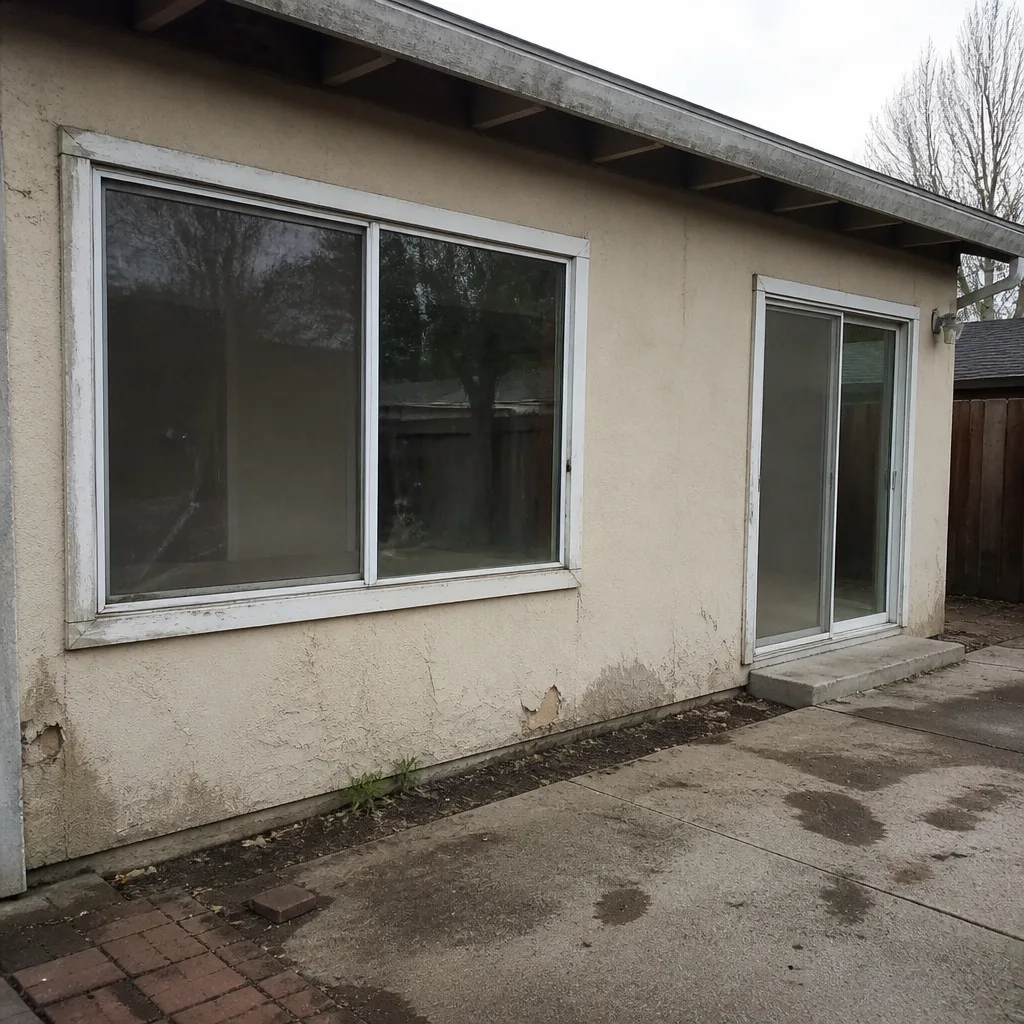
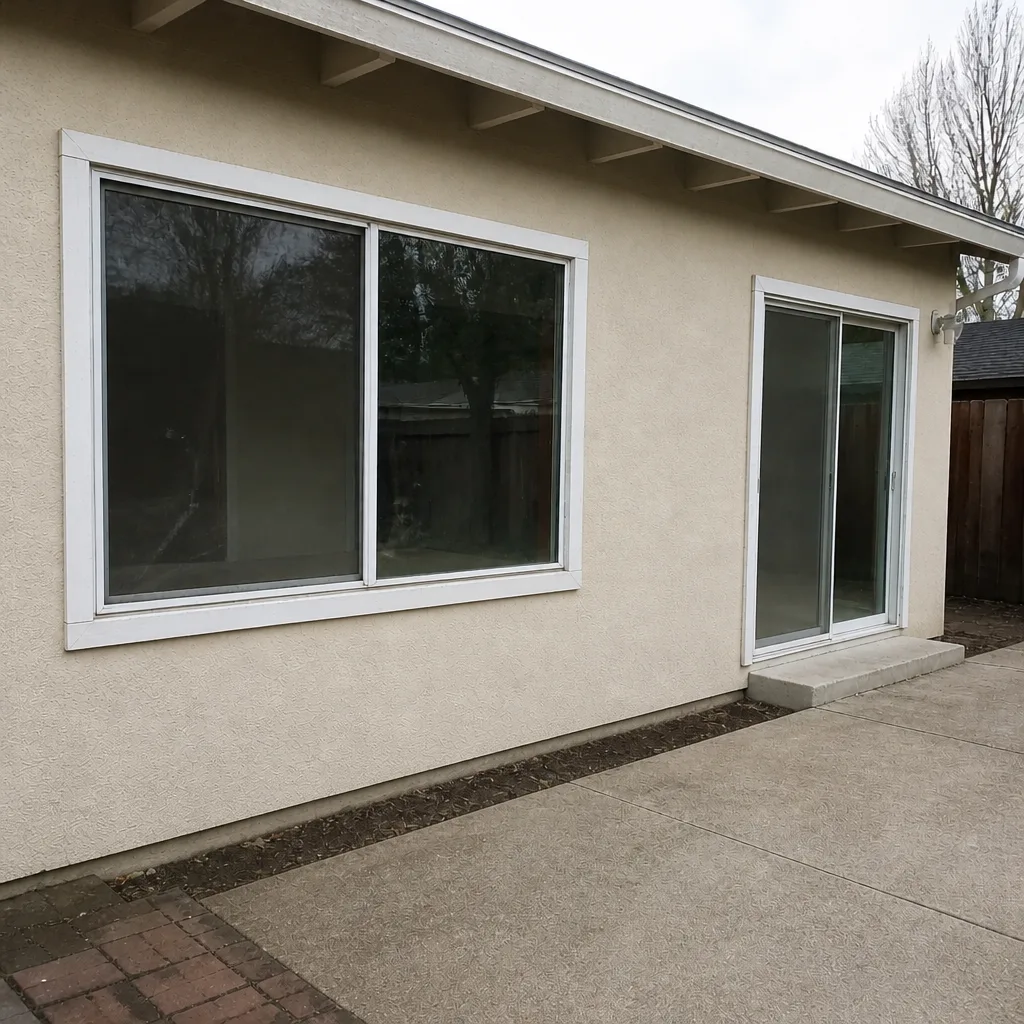
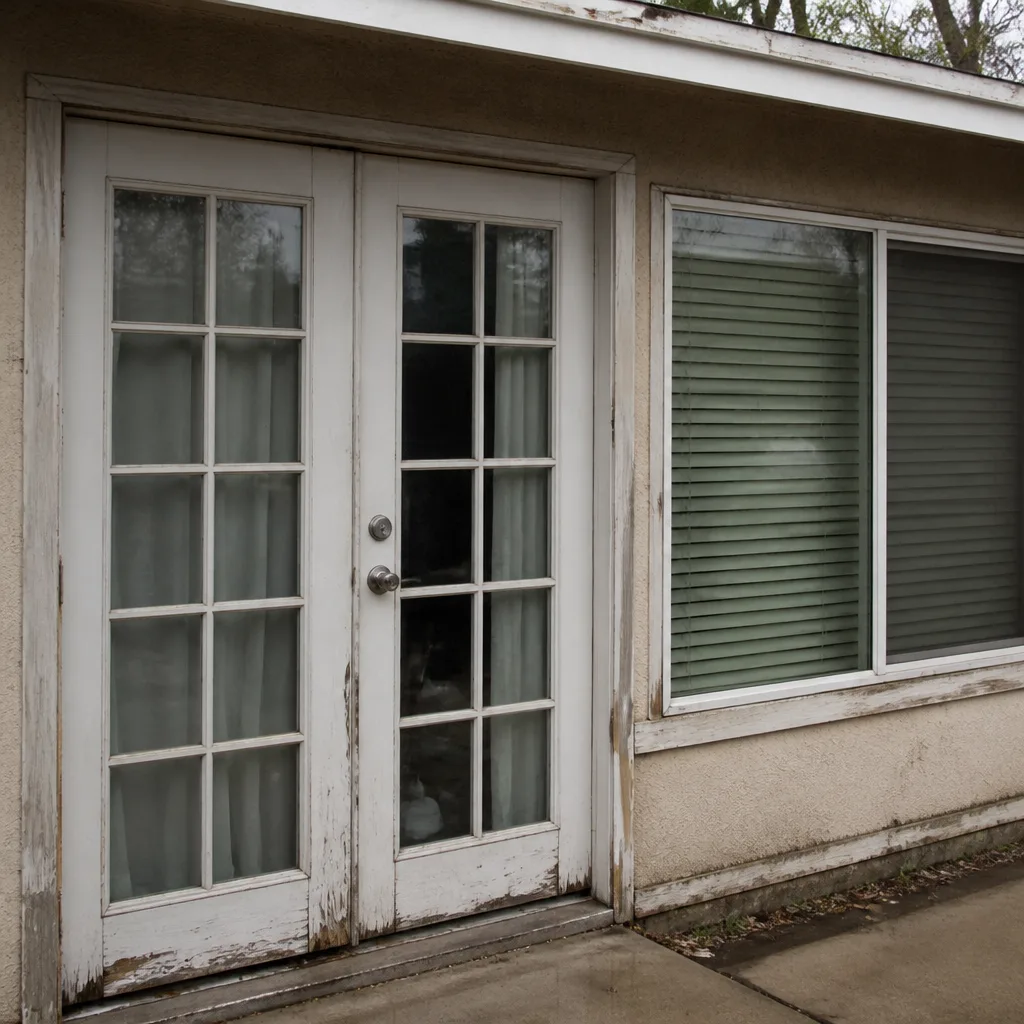
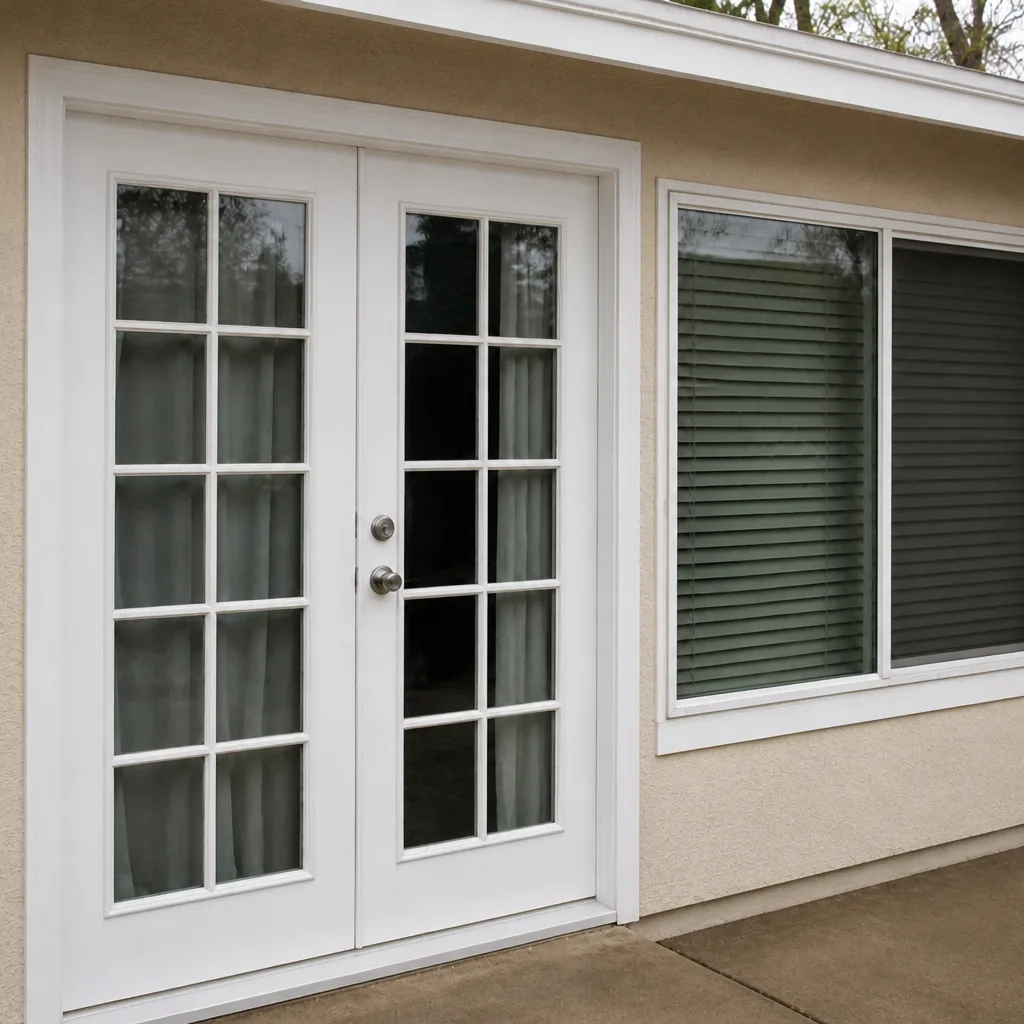
See the difference
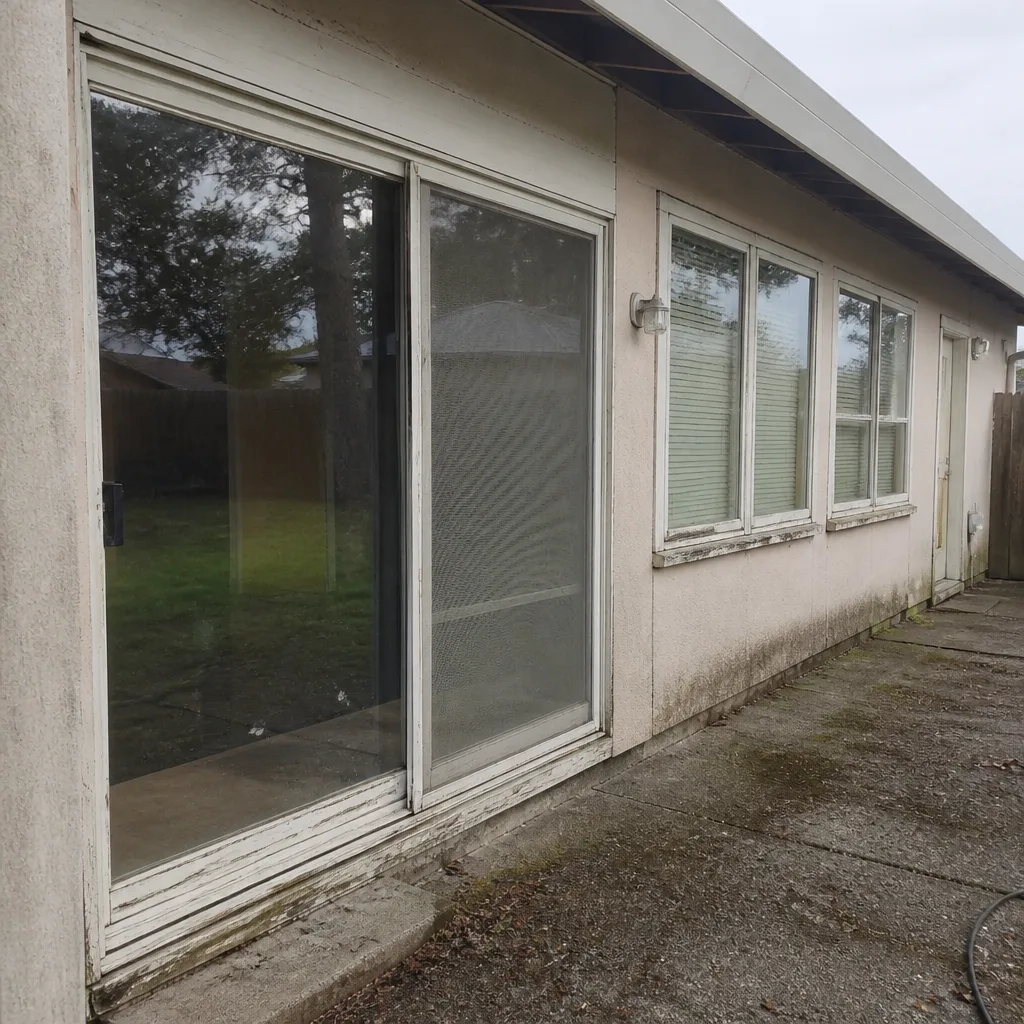 Before
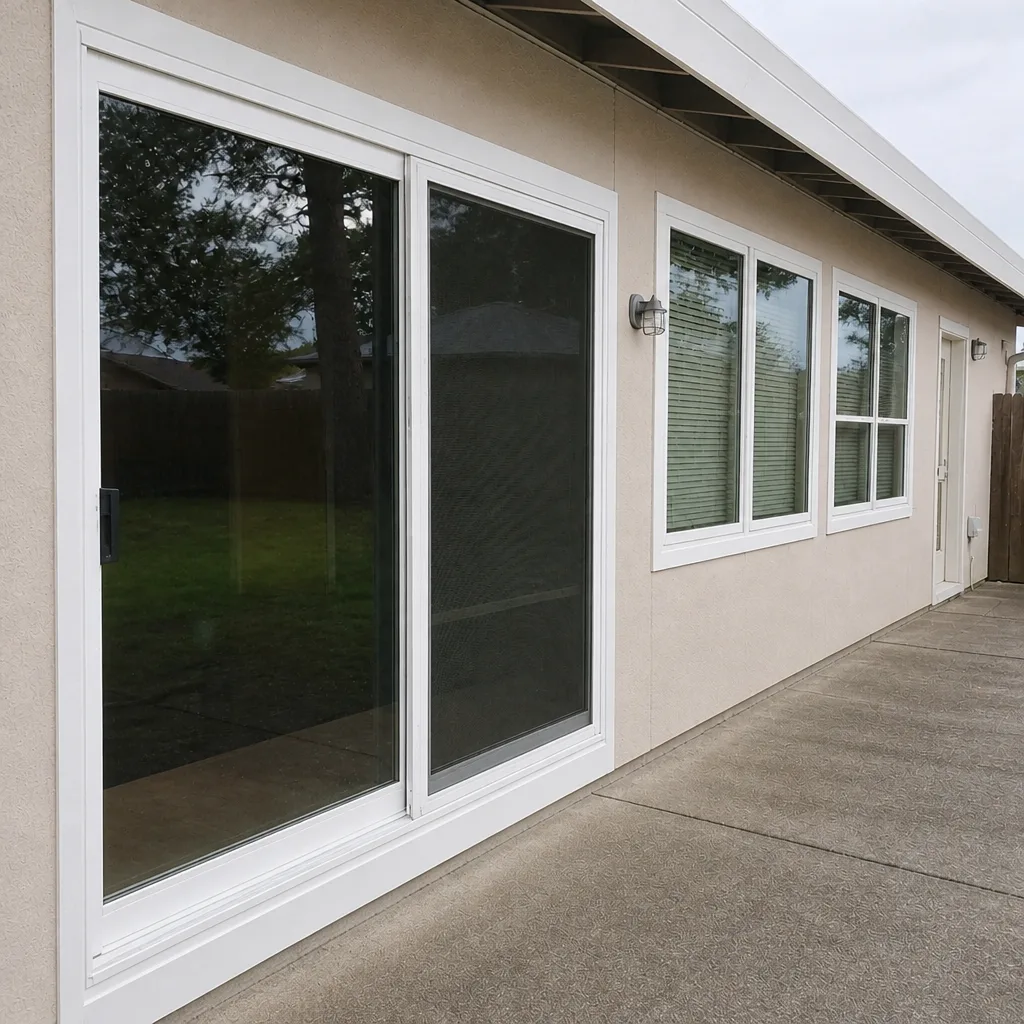 After
 Before
 After
 Before
 After