Last updated November 25, 2026
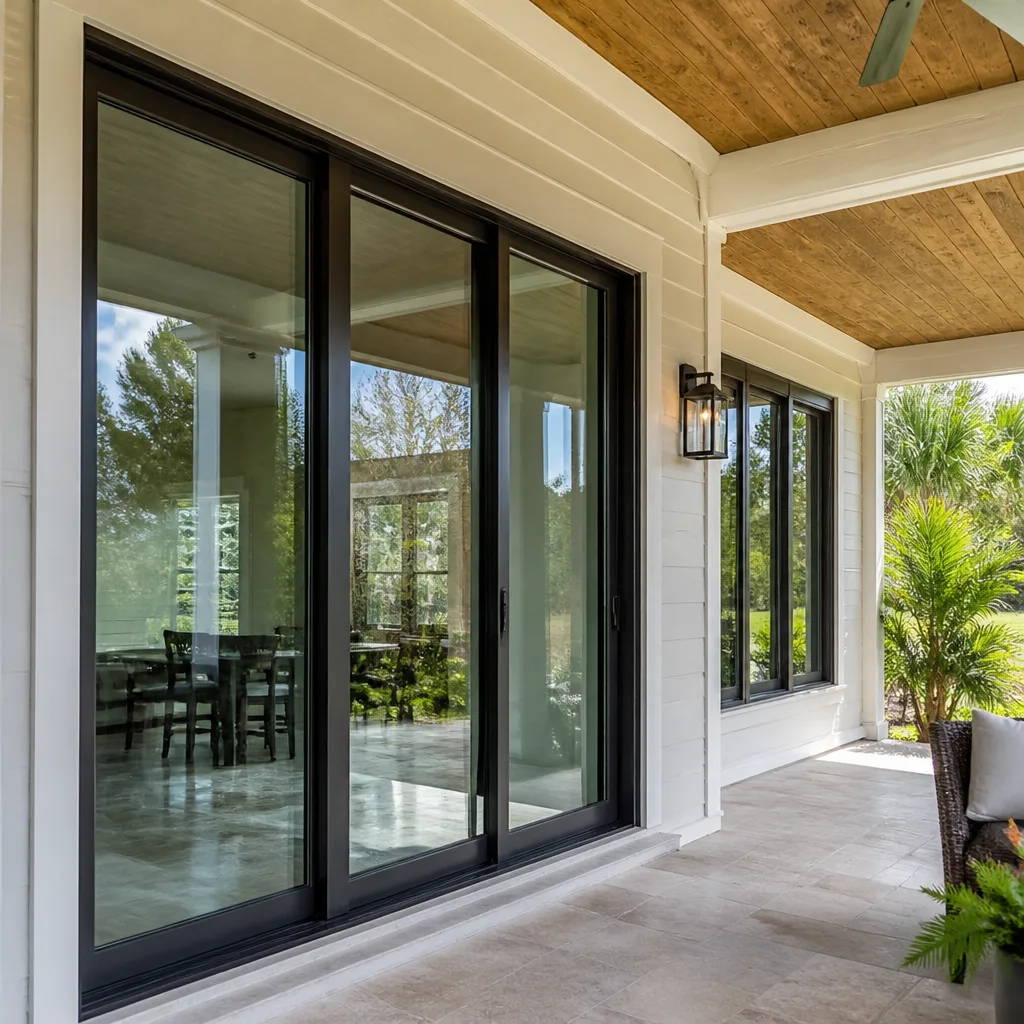
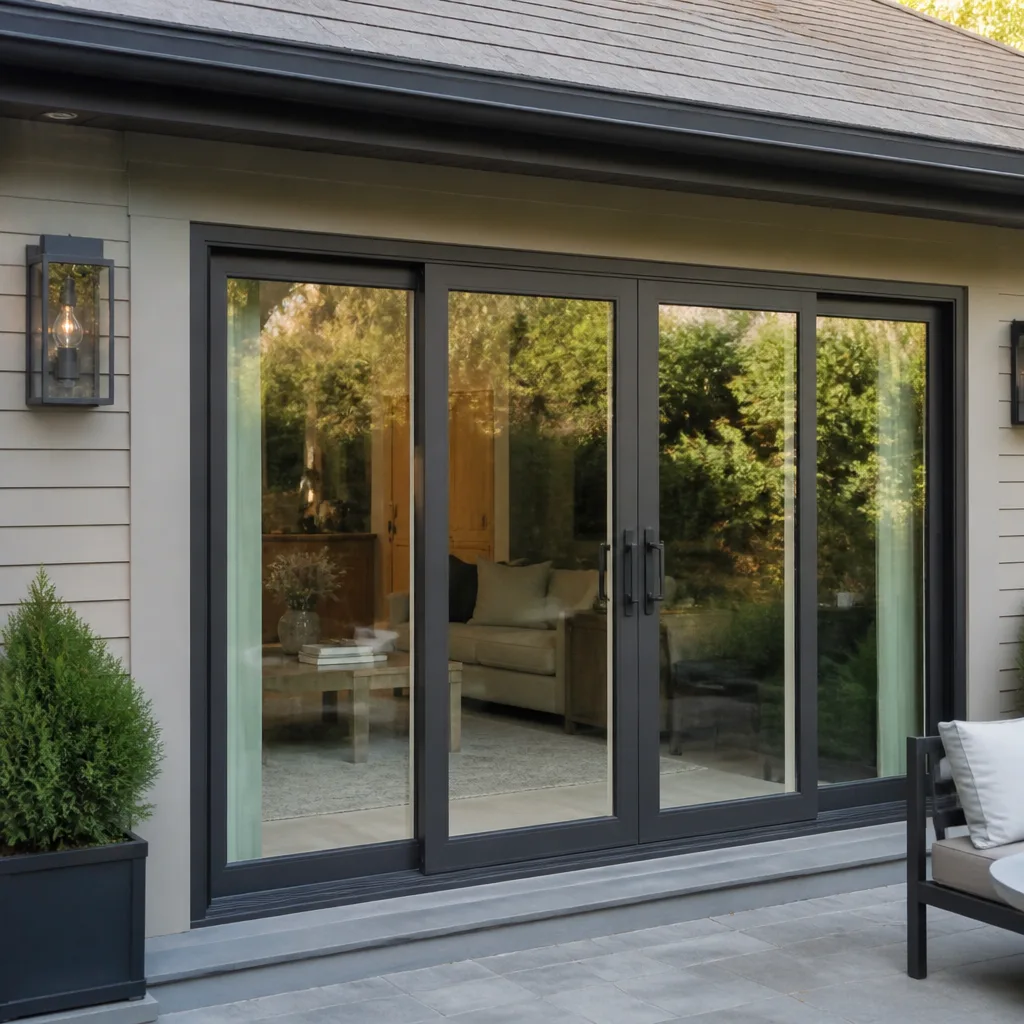
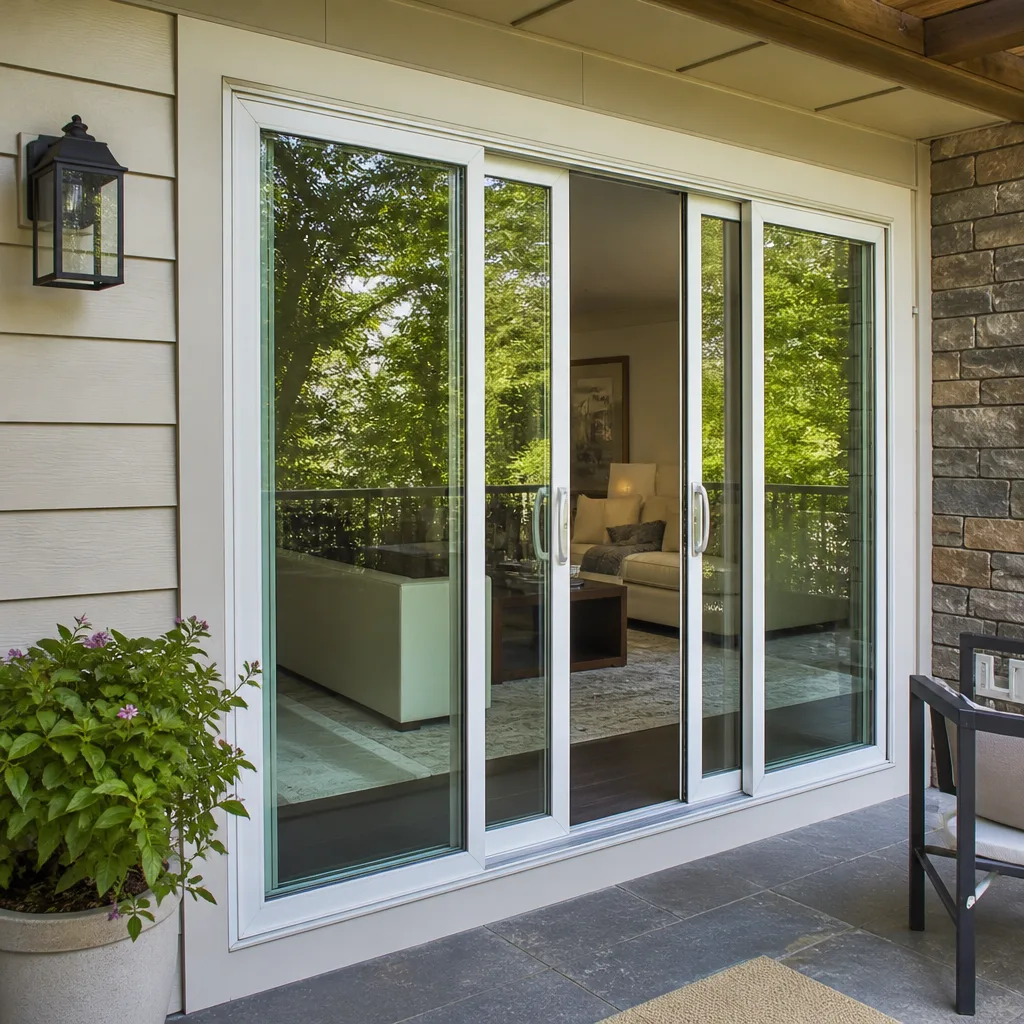 Sliding glass doors
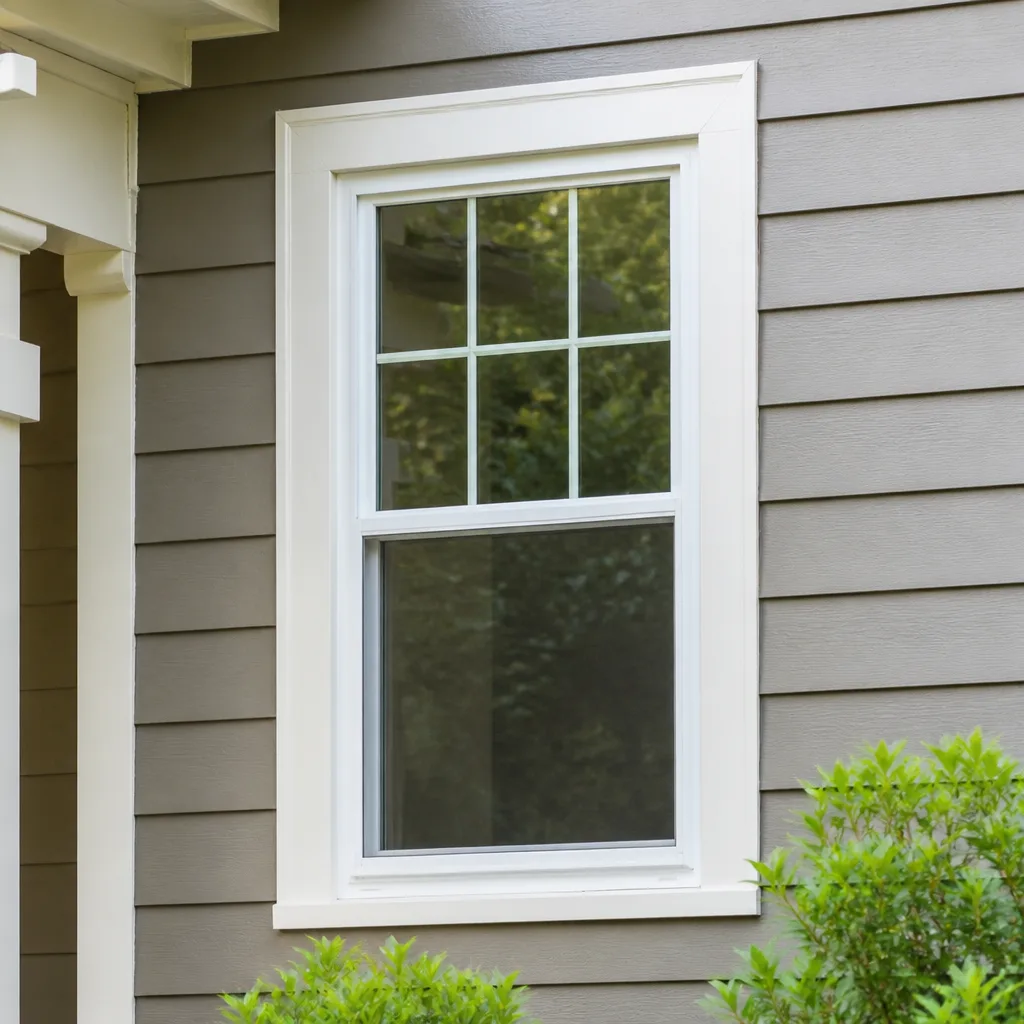 Single hung
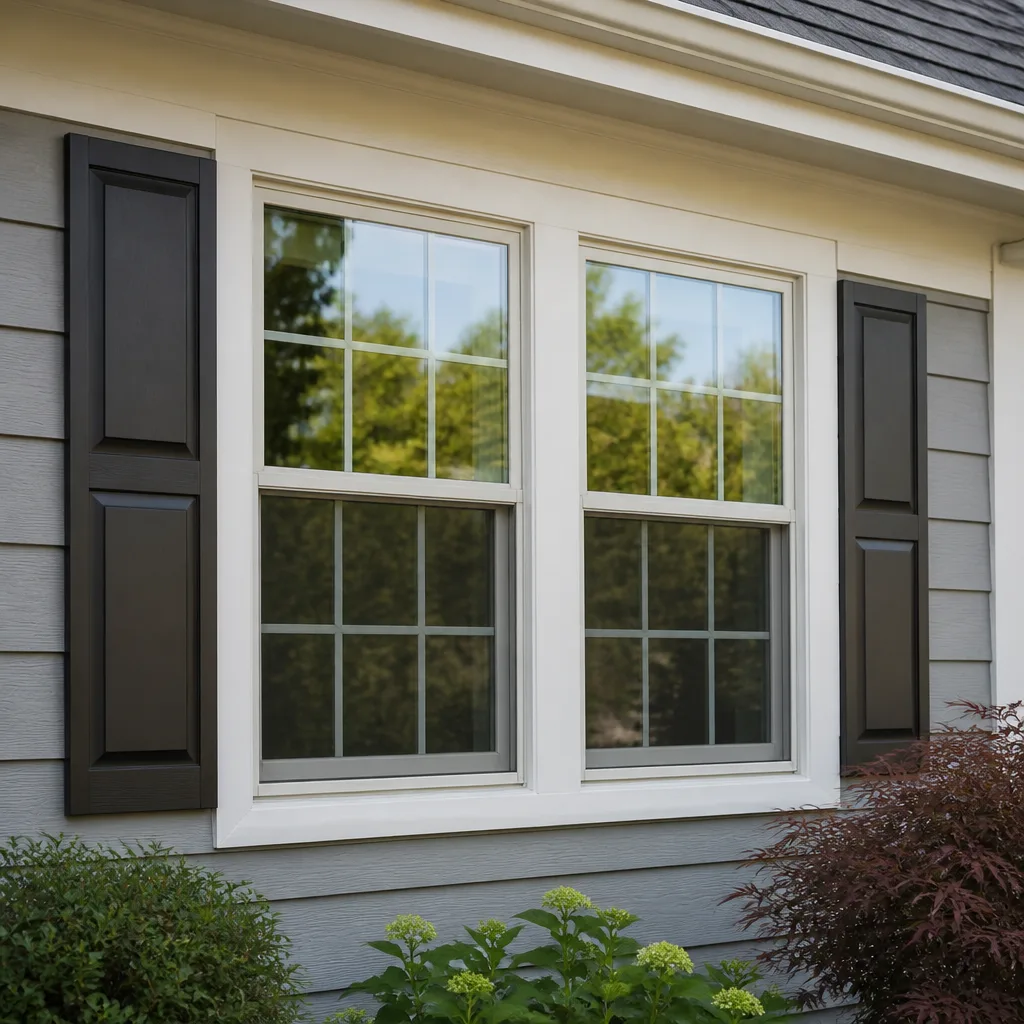 Double hung
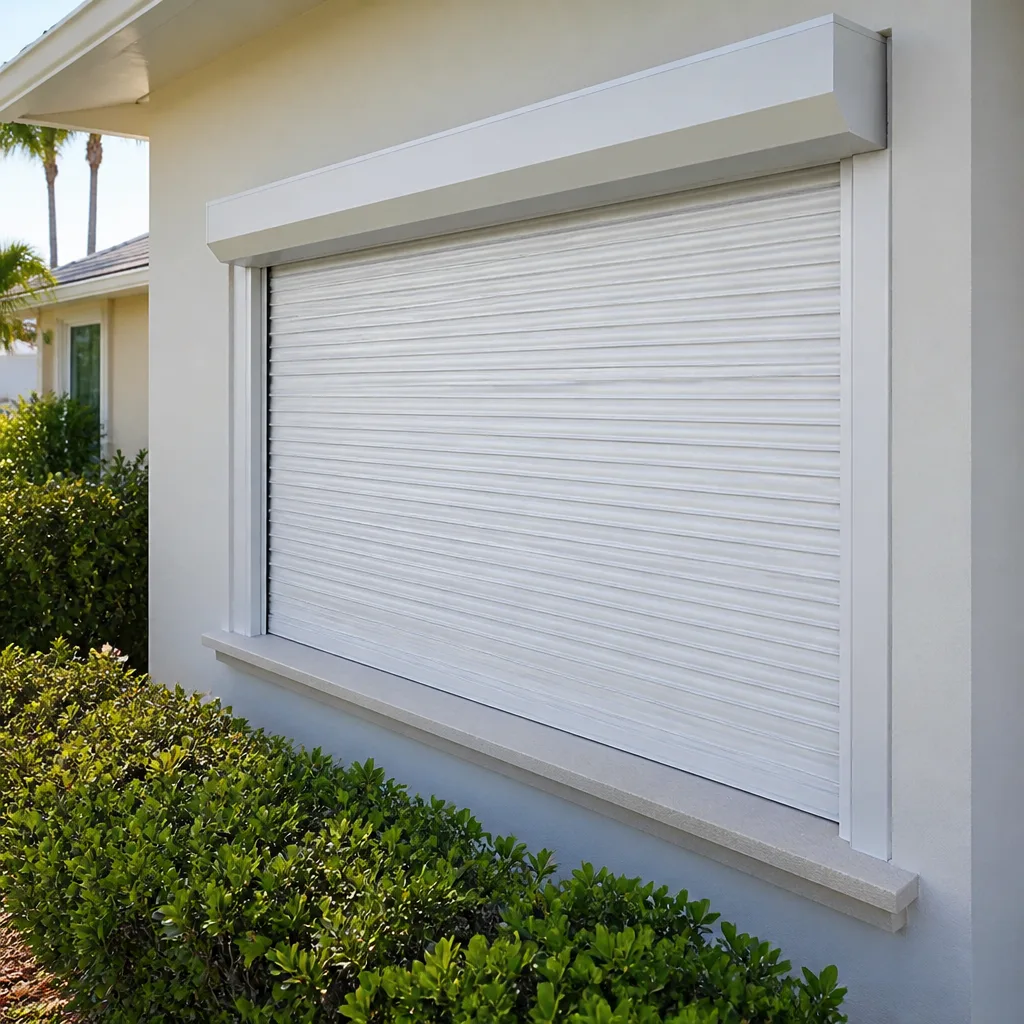 Horizontal roller
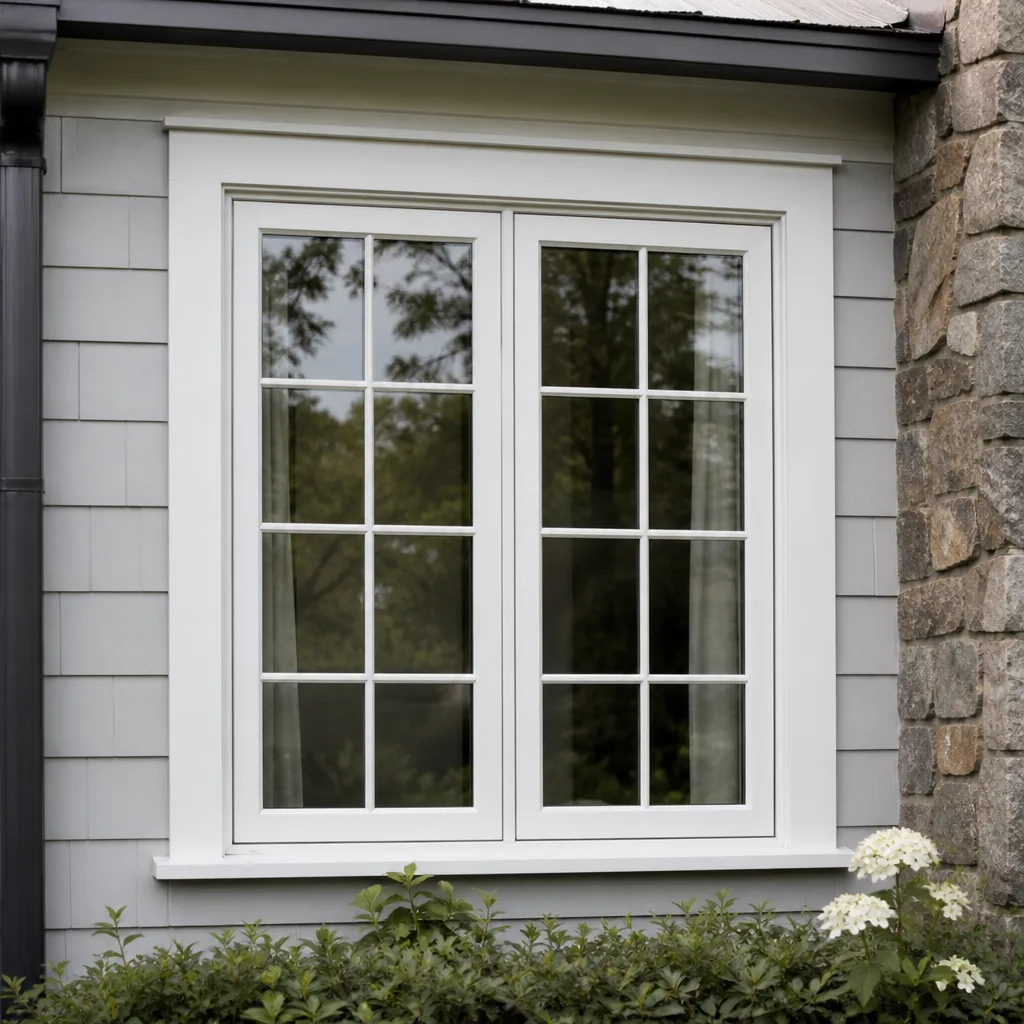 Casement
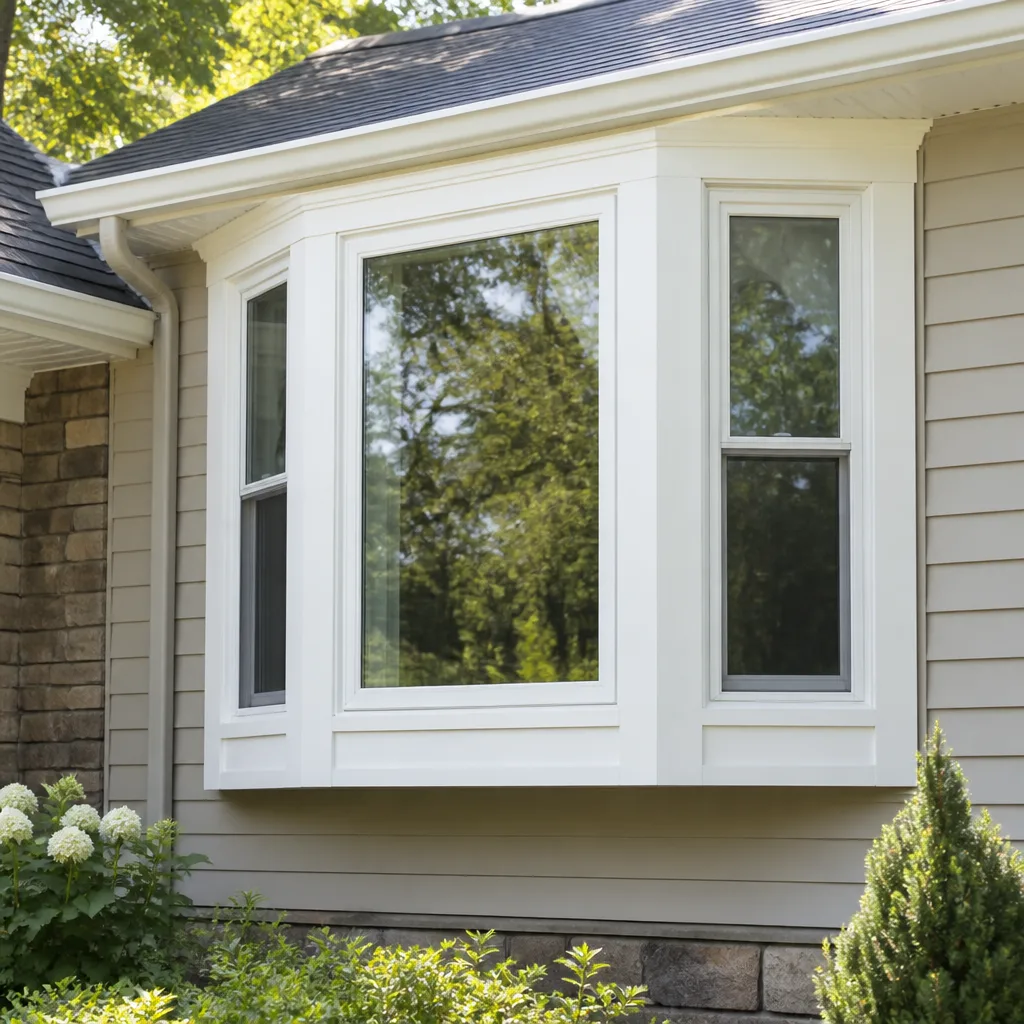 Bay & bow
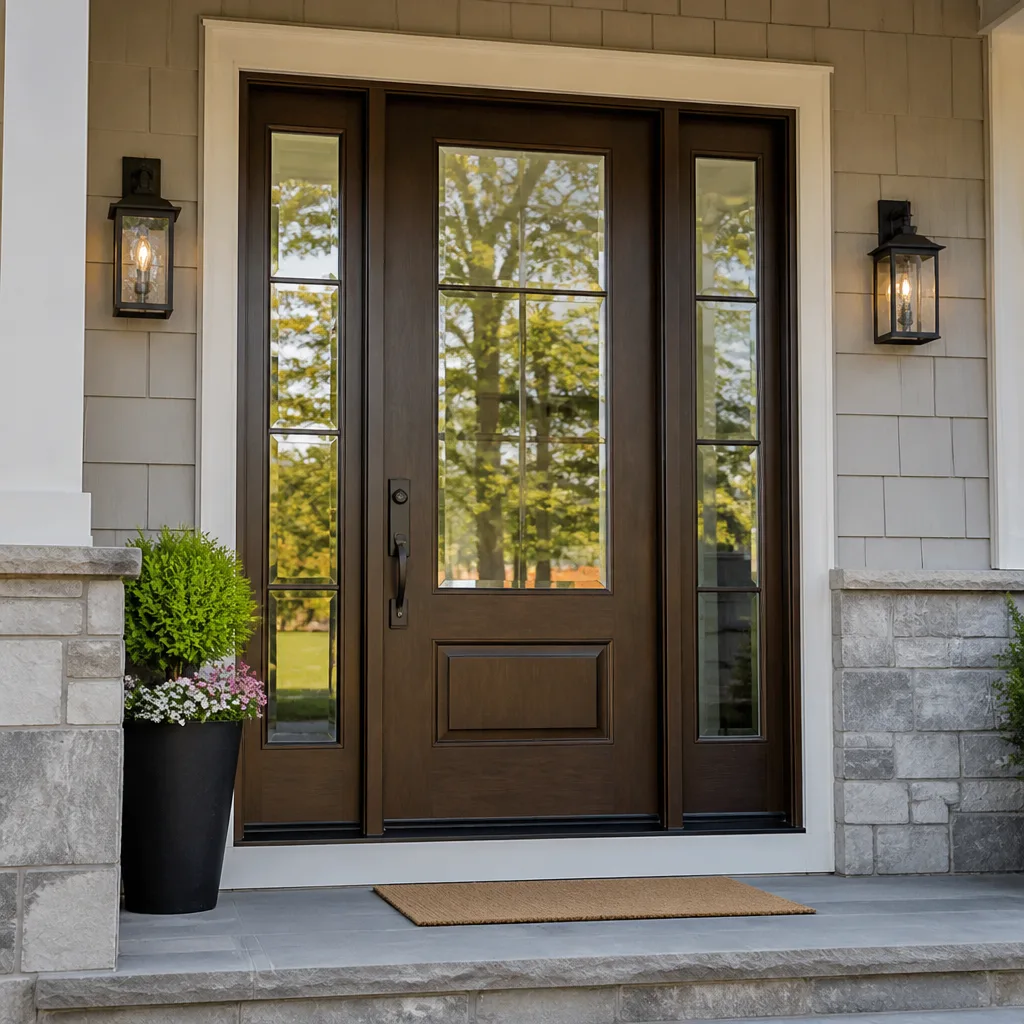 Entry doors
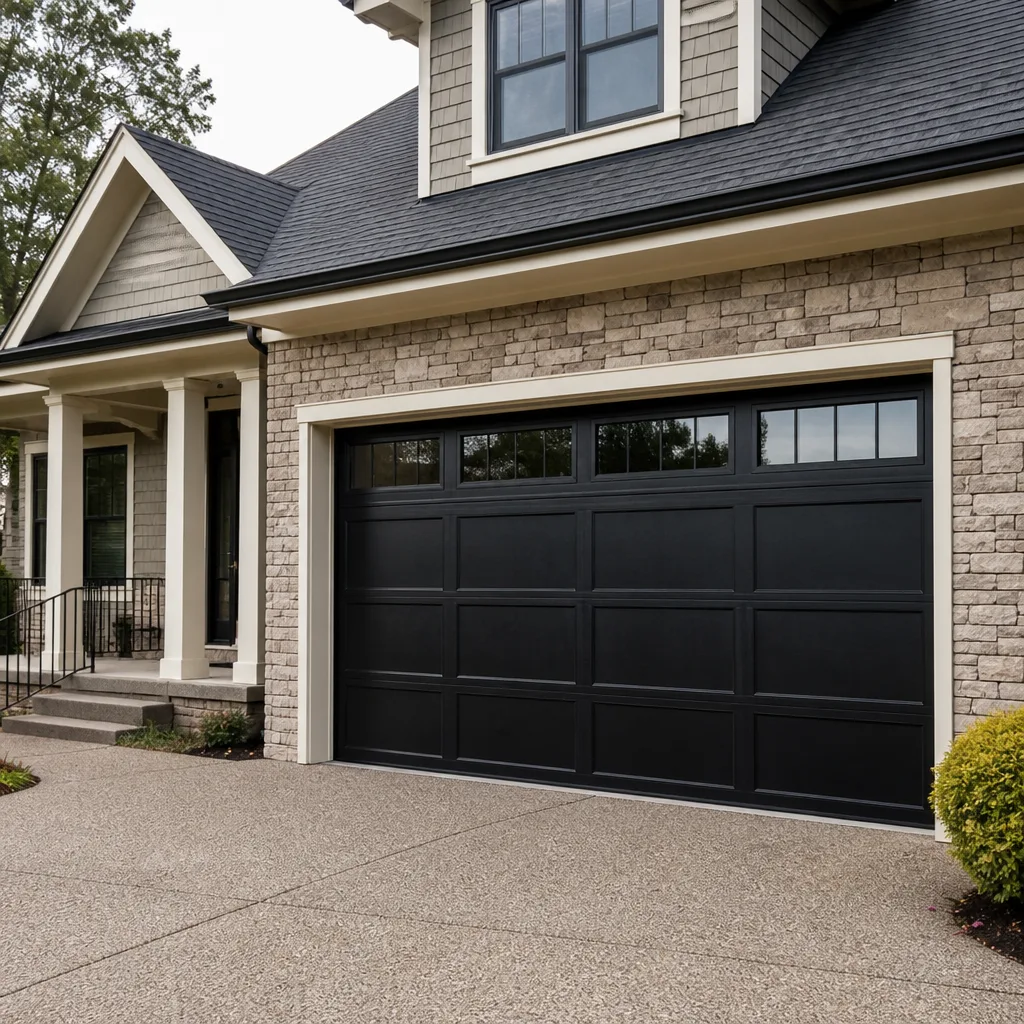 Impact garage doors
 PGT
 CGI
Free in-home measure and quote - PGT, CGI and CWS impact lines compared on your actual openings, style by style
Get your free estimateHow to Hire a Windows & Doors Contractor in Rancho Cordova: A Step-by-Step Guide
Here’s the part most homeowners learn too late: a manufacturer’s warranty on a $600 window can be voided the moment it’s installed by someone who isn’t on that brand’s certified installer list. And most general contractors who “also do windows” aren’t on any list. They sub the work out, or they read the manual for the first time on your job. The result is a window that fogs, sticks, or leaks at the sill, with no one to call and a warranty card that’s effectively paper. This guide walks you through how to hire a windows and doors contractor in Rancho Cordova the right way: what to check, what to ask, how to read a quote, and how to spot the difference between a specialist and a generalist.
Styles & brands we work with
- Single hung
- Double hung
- Horizontal roller
- Casement
- Bay & bow
- Sliding glass doors
- Entry doors
- Impact garage doors
- PGT
- CGI
Quick Answer
Hire a windows and doors specialist, not a general contractor who treats the work as a side job. Verify the contractor’s license classification, confirm their installer status directly with the window or door brand, and demand a line-item quote that separates product, labor, permit, and disposal. A certified specialist protects your manufacturer warranty; a generalist can void it on day one.
Table of Contents
- Specialist vs. Generalist: Why It Matters
- License Classifications Explained: B vs. C-61/D-28
- Manufacturer Certification Programs and How to Verify Them
- Red Flags Specific to the Sacramento-Area Market
- How to Read a Window Replacement Quote Line by Line
- Three Questions That Separate a Specialist From a Brochure
- Choosing the Right Product for Rancho Cordova’s Climate
- Common Mistakes to Avoid
- When to Call a Professional
- Frequently Asked Questions
Specialist vs. Generalist: Why It Matters
Rancho Cordova sits in the Sacramento Valley, where summer afternoons push triple digits for weeks and winter stays mild and wet. That swing is hard on windows and doors. A unit that’s fine in a lab can fail at the sill in a valley summer if it’s installed with the wrong flashing detail. Installation is the part that decides whether your new window performs for 20 years or 5, and it’s the part a generalist typically hands off to whoever’s available.
A dedicated windows and doors contractor installs these products as core work, not as a fill-in between kitchen remodels and fence builds. That distinction shows up in a few concrete ways:
- Installer certification. Specialty contractors pursue brand-specific training because it’s their whole business. A GC juggling ten trades rarely bothers, and some brands void the warranty when an uncertified installer does the work.
- Product breadth. A specialist carries multiple brands because different homes and budgets need different products. A generalist typically installs whatever their one distributor sells.
- Permit fluency. Windows and doors have their own permit and inspection expectations. A contractor who files these weekly knows the local process cold.
- Accountability. When the whole job is windows and doors, a callback is a normal cost of business. When it’s a side service, a callback is a headache the contractor would rather avoid.
For homeowners who want the full picture of what a specialty scope covers, our window replacement Rancho Cordova service page lays out the replacement and install work directly.
License Classifications Explained: B vs. C-61/D-28
In California, the Contractors State License Board (CSLB) issues licenses by classification. A Class B General Building Contractor can take a project that involves two or more unrelated trades (think framing plus plumbing plus electrical). A Class C-61/D-28 is a specialty license for “glazing” – the trade that covers installing glass, windows, and doors. Either classification can legally install windows and doors under the right circumstances. The B license often requires that the work be “incidental and supplemental” to a larger project, whereas a glazing specialist holds the license specific to the scope.
Here’s why that matters to you:
- Permit scope. Your local building department decides which projects need permits and which license can pull them. A specialist who files window and door permits frequently knows the local expectations. Ask whether the contractor will pull the permit, and whose name goes on it.
- Warranty compliance. Some manufacturers require an appropriately licensed installer for the product warranty to apply. Within a larger project that may be satisfied, but for a straightforward window or door replacement, a glazing specialist is the cleanest fit.
- Lien and liability. When you hire a properly licensed contractor, you have a real recourse if the job goes sideways. The window installation pro we connect you with is licensed and insured as their state requires.
To check a contractor’s classification, go to the CSLB website and search by license number. The classification letters are listed right on the license detail page. If a contractor’s classification doesn’t fit the scope you’re hiring them for, ask why. The explanation will tell you a lot.
Manufacturer Certification Programs and How to Verify Them
Brands run their own installer certification programs, and being on that list is a strong signal of competence. Programs like Andersen Certified, Milgard Certified, and brand-specific installer networks exist because the manufacturer knows their product only performs if it’s installed to spec. Certified installers complete training and, in many programs, are audited on a sample of jobs.
How to verify a contractor actually holds a certification they claim:
- Ask the contractor for their certification details. The brand name and program matter. Vague answers (“we’re certified”) don’t count.
- Call the manufacturer directly. Every major brand has a contractor locator or customer line. Confirm the contractor appears on the brand’s certified installer list.
- Cross-check the installation details in the quote. A certified installer’s quote should reference the brand’s installation method, not a generic “standard install.”
- Ask about warranty registration. Certified installers typically register the warranty with the manufacturer on your behalf. Confirm you’ll receive the warranty documentation after installation.
Brands in the trade that run these programs include PGT, CGI, CWS, ES Windows, ECO Window Systems, Mr-Glass, Therma-Tru, and ViewLux. A specialist carrying several of these has access to the certification pathway for each. Therma-Tru, for example, is one of North America’s most tested fiberglass door systems, and their installer network is part of how that testing translates into field performance.
The brands we work with include PGT for impact-rated systems engineered to strict wind-load standards, CGI for impact-rated windows, ES Windows for energy-focused performance, and CWS for a broad range of window and door products. Carrying multiple brands is the point: you can compare specs side by side rather than getting pitched on the one product the installer’s distributor happens to stock.
Red Flags Specific to the Sacramento-Area Market
Sacramento-area summers are long, hot, and dry. Construction activity picks up through the hot months, and along with it, a wave of crews who show up in early summer and vanish by fall. Local contractors sometimes call these “storm chasers,” though here the trigger is heat and the spike in demand for window and door work rather than a hailstorm. The tell is the quote.
What a transient crew’s quote looks like:
- One flat number with no line items. You can’t verify product spec, disposal, permit, or labor, because none of it is separated.
- Pressure to sign today. “The price is only good if you sign now” is a sales tactic, not an estimate. Legitimate contractors will let you think about it.
- No local license number or a license registered to a distant address. Check the CSLB. A license in another region that’s only been active a few months is a warning sign.
- No physical office verification. Ask for the license and verify the business location independently. A company with no verifiable local presence is hard to hold accountable.
- Requests for large deposits up front. California places limits on how much a contractor can collect as a down payment on home improvement contracts. A large cash deposit request is a red flag.
- No written contract before work starts. Every legitimate job has a written contract with a scope description, materials list, and payment schedule.
When we quote a Rancho Cordova window or door job, we write it line by line and let the homeowner compare. Our approach follows a simple rule: compare your options before you decide, and the decision should be based on spec and credentials, not urgency.
How to Read a Window Replacement Quote Line by Line
A quality window replacement quote separates product, labor, and the extras. If those are bundled into one number, you can’t tell what you’re paying for, and you can’t compare two quotes meaningfully. A line-item quote from a good contractor should contain at least the following items:
- Product line and model number. Every window should be identified by brand, series, and model. “Energy-efficient window” is not a line item.
- Size and configuration. Width, height, and operating style (double-hung, casement, slider, fixed) for each opening.
- Glass package. Low-E, argon fill, impact rating, and U-factor should be specified. Rancho Cordova’s summer heat makes the glass choice one of the biggest factors in the home’s comfort.
- Frame material and color. Vinyl, fiberglass, wood, or aluminum, plus any custom color or finish.
- Installation method. Full-frame vs. insert (pocket) replacement. Full-frame involves removing the existing frame and is appropriate when the frame is damaged or the opening is changing.
- Permit. Listed separately with the fee amount and the responsible party.
- Disposal and haul-away. Old windows and packaging removal.
- Trim, flashing, and finish work. Interior trim, exterior caulking, and flashing detail should be itemized, not buried in “included.”
- Warranty terms. Manufacturer’s product warranty and labor/workmanship warranty listed separately.
- Payment schedule. Milestones should tie to actual work completed, not just the signing date.
What “included” should never cover: it shouldn’t be a catch-all hiding the disposal fee, permit, or a window upgrade. A good quote itemizes. For a closer look at the full replacement scope, our window replacement page covers what a replacement project includes from measurement to final inspection.
Three Questions That Separate a Specialist From a Brochure
You can filter most contractors in five minutes with three questions. The answers, not the tone, tell you what you’re dealing with.
Question 1: “What’s your CSLB license number and classification?”
A specialist gives it without hesitation and includes the classification (C-61/D-28 glazing or Class B with the relevant scope). A generalist often gives the number but doesn’t know the classification. If they stumble on that, ask yourself whether they’re likely to know the manufacturer’s installation spec either.
Question 2: “Which manufacturer certification programs are you currently enrolled in?”
This separates someone who actually installs windows and doors regularly from someone who occasionally does. A specialist names the brands they’re certified with. A generalist might say “we’re authorized by our distributor,” which is a distributor relationship, not an installer certification. Ask which one it is.
Question 3: “Who pulls the permit, and who performs the installation?”
A specialist answers: “We pull the permit, our technicians install it.” A generalist might answer that they’ll “coordinate with a sub.” That sub is the person doing the actual work, and their certification status and license matter more than the contractor who sold you the job. Ask for the sub’s license and certification too.
For the doors side of the same comparison, our door replacement page explains what a specialist scope looks like for entry and patio doors.
Choosing the Right Product for Rancho Cordova’s Climate
Rancho Cordova’s climate has two defining features for window and door performance. First, summer heat is sustained and significant; windows with poor solar heat gain coefficients push cooling costs up. Second, winter is mild and wet, but not so cold that freeze-thaw cycles or snow loads come into play. Choose products for solar control and water management, not for extreme cold.
What that means for your product shortlist:
- Glass package. For west- and south-facing windows, a Low-E coating with a low solar heat gain coefficient does more for comfort than almost any other upgrade. Make sure the quote calls out the specific glass performance figures.
- Impact-rated products. If you’re doing the whole envelope and want storm and security performance in one product, impact-rated CGI and PGT systems are engineered to strict wind-load and Miami-Dade standards. That’s a level of testing well beyond a standard residential line.
- Energy performance. For homeowners prioritizing efficiency, ES Windows and ECO Window Systems are worth comparing side by side. Two different engineering approaches, two different efficiency profiles, and you can see the difference in the spec sheet.
- Doors. Entry doors face the summer sun as well. Therma-Tru’s fiberglass systems are among the most tested in North America and resist the heat and moisture swings better than many wood doors.
- Patio access. Sliding doors are part of the home’s living pattern in Rancho Cordova, not an afterthought. A dedicated sliding door replacement scope means the track, rollers, and sill drainage get attention as a system.
Our technicians have up to 13 years of experience. Some of that comes from jobs where the homeowner chose a product because it was the one in stock and later wished they’d compared. The right window for your home is the one that fits your climate, budget, and aesthetics, and you should be able to see the options before you decide. We work with jobs of 3 window or door openings or more.
Common Mistakes to Avoid
- Hiring a general contractor for a windows-and-doors-only scope. A GC often subs the work to whatever crew is available, and that crew may not be certified by the manufacturer. The warranty can be voided before the installation is finished.
- Not verifying certification directly with the brand. “Authorized dealer” and “certified installer” are different. Authorized means they can sell the product. Certified means the manufacturer has verified their installation methods. Confirm on the manufacturer’s site.
- Accepting a one-line quote. A flat number means you can’t compare it to anything. Require product model, glass spec, install method, permit, disposal, trim, and warranty as separate lines.
- Ignoring permit status. A permit isn’t optional paperwork. It’s the inspection trail that proves the work was done to code. Ask who pulls the permit before signing.
- Choosing on price alone. The cheapest quote often reflects a lower-grade glass package or a shortcut in the flashing detail. Ask what’s different between the lowest and mid-range bids, and make the contractor explain the difference.
- Skipping the door part of the envelope. Homeowners sometimes replace windows and leave the entry door untouched. A drafty entry door cancels much of the efficiency gain from new windows, especially on the west-facing side of a Rancho Cordova home.
- Not asking about the workmanship warranty. The manufacturer’s product warranty and the labor warranty are separate. Confirm both in writing.
When to Call a Professional
Call a windows and doors specialist when the problem is the whole unit, not a single failed gasket or seal. Windows that fog between the panes, frames that have gone soft or warped, sill or track water damage, doors that no longer sit square in the frame, or a renovation project that’s changing the opening count. A specialist is also the right call when the existing units are intact but underperforming: the glass has aged, the home’s cooling costs are climbing, and you’re evaluating replacement. If the frame is failing or the drainage path is compromised, call before the damage spreads into the wall cavity.
Window Replacement Rancho Cordova offers free estimates in Rancho Cordova. Call (279) 321-4428 to schedule yours.
Frequently Asked Questions
Window replacement typically costs $500 to $1,400 per opening depending on the brand, glass package, and installation method. Impact-rated systems, full-frame installation, and custom sizing move the figure toward the upper end. Your written estimate sets the final price. Call (279) 321-4428 for an exact quote – estimates are free.
Most window and door replacements do require a permit from the City of Rancho Cordova’s building department, and the specific rules depend on the scope and whether any structural opening is changing. A specialist will pull the permit and handle the inspection. Ask this question to any contractor you consider, and ask whose license the permit will be drawn under.
A windows and doors specialist is the better fit when the scope is windows and doors only. The specialist is typically on the manufacturer’s certified installer list, carries the glazing-specific license classification, and installs these products as core work. A general contractor is appropriate when windows and doors are part of a much larger structural project.
Ask for the brand name and program, then call the manufacturer directly or search their contractor locator. The manufacturer will confirm whether the contractor is currently on their certified installer list. Don’t rely on a sticker or a logo on the contractor’s van, which is not proof of certification.
A Class B general building license covers projects involving multiple trades, and windows and doors can be incidental to that larger scope. A C-61/D-28 license is specific to glazing, which is the act of installing glass, windows, and doors. For a standalone window or door replacement, the specialty license aligns most directly with the scope.
A typical window replacement of three to ten openings runs one to three days of installation time, depending on the number of openings and whether full-frame or insert installation is used. Custom product lead times add several weeks before installation day. Ask for a project schedule in writing with the quote so you can plan around it. Call (279) 321-4428 for an exact timeline.
The manufacturer’s product warranty covers the unit itself, and it can be voided if the installation doesn’t follow the manufacturer’s specification. Certified installers are trained on that spec, which is why the certification question is the single most important one to ask. Ask the contractor how the warranty is registered, and confirm you will receive the warranty documentation after the job is complete.
The Bottom Line
Hiring a windows and doors contractor in Rancho Cordova comes down to three things: the right license classification, verified manufacturer certification, and a quote detailed enough to compare. A generalist who treats the work as a side service is the one hiring mistake that combines all three failure modes at once: uncertified crews, voided warranties, and no one accountable when the install fails. A specialist handles these products as core work and can walk you through the brand and glass options honestly. If you’d like to compare your options before you decide, we’ll be glad to walk through them with you.
Call Window Replacement Rancho Cordova at (279) 321-4428 to schedule your free estimate. Windows and doors only, and we’ll help you choose the right product for your home, not just the one that happens to be in stock.
Written by the team at Window Replacement Rancho Cordova.
See the difference
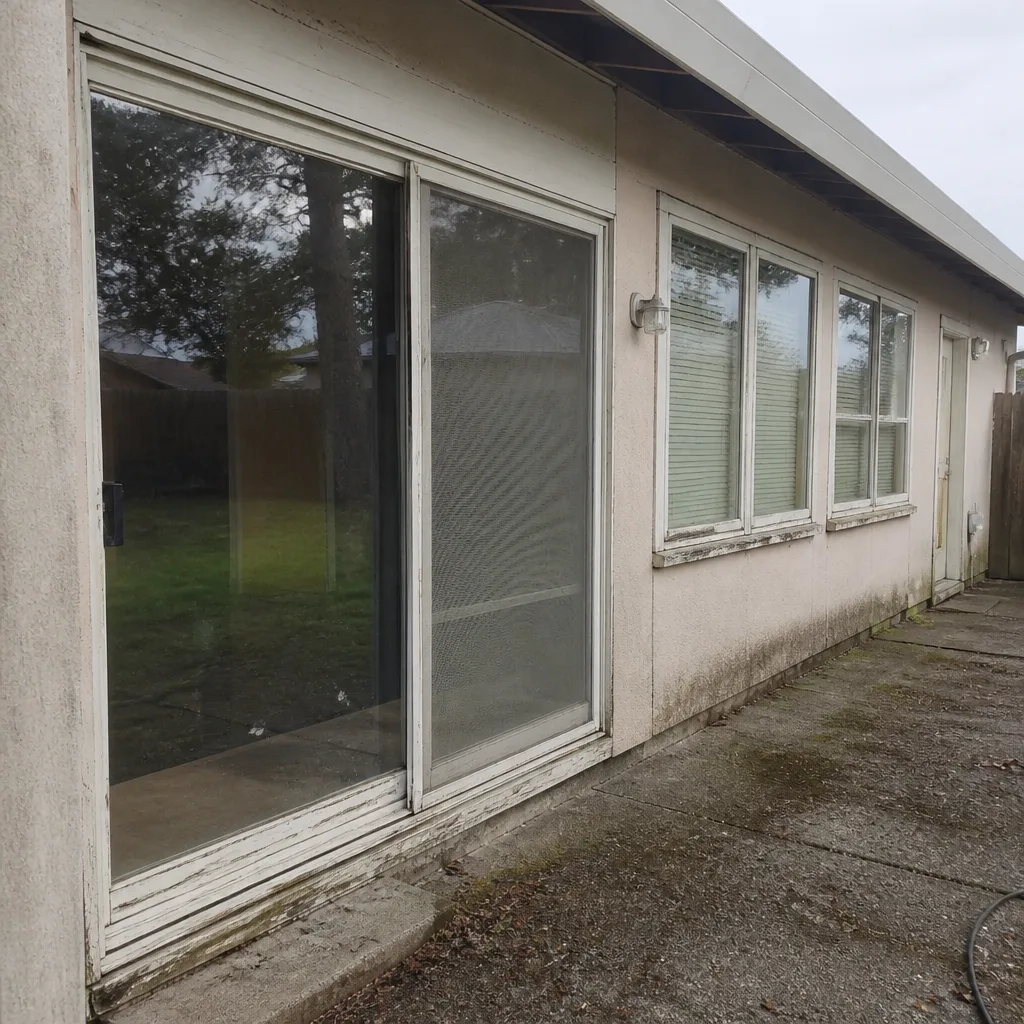 Before
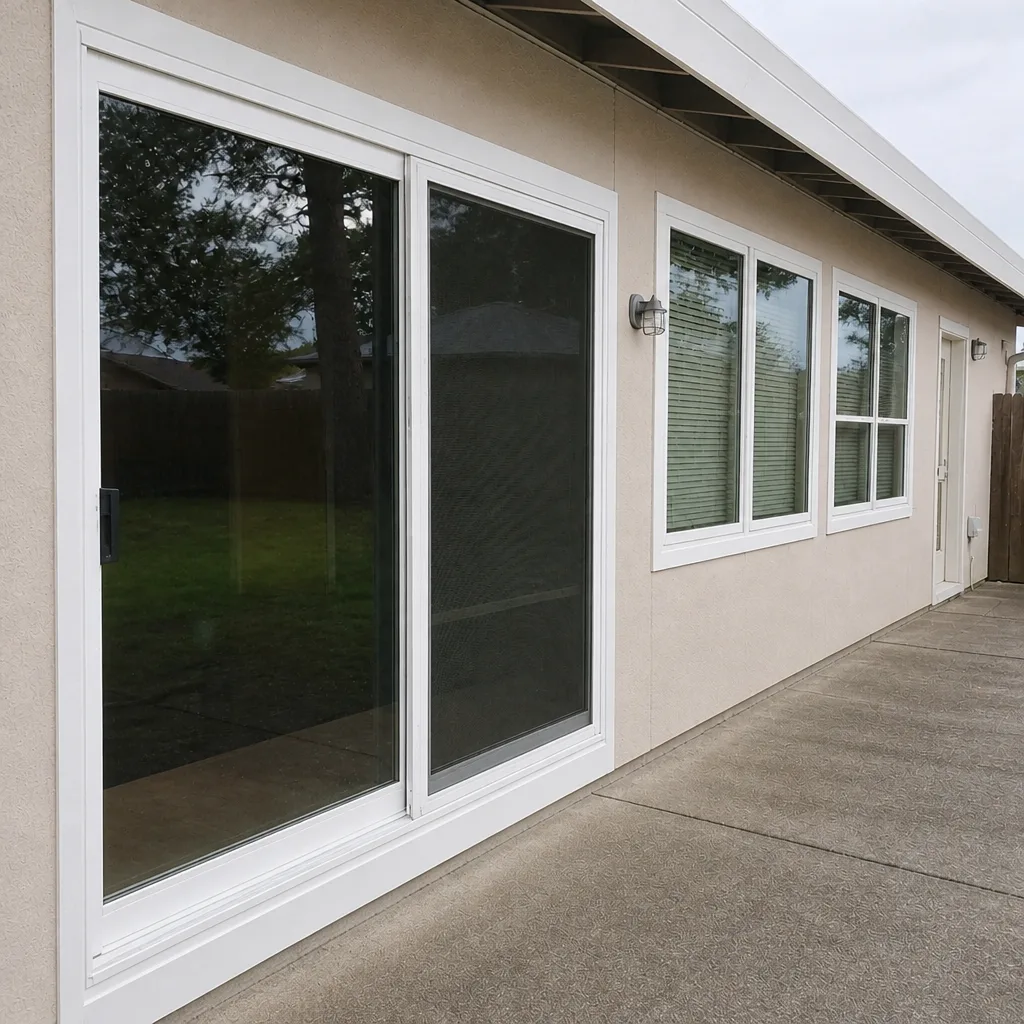 After
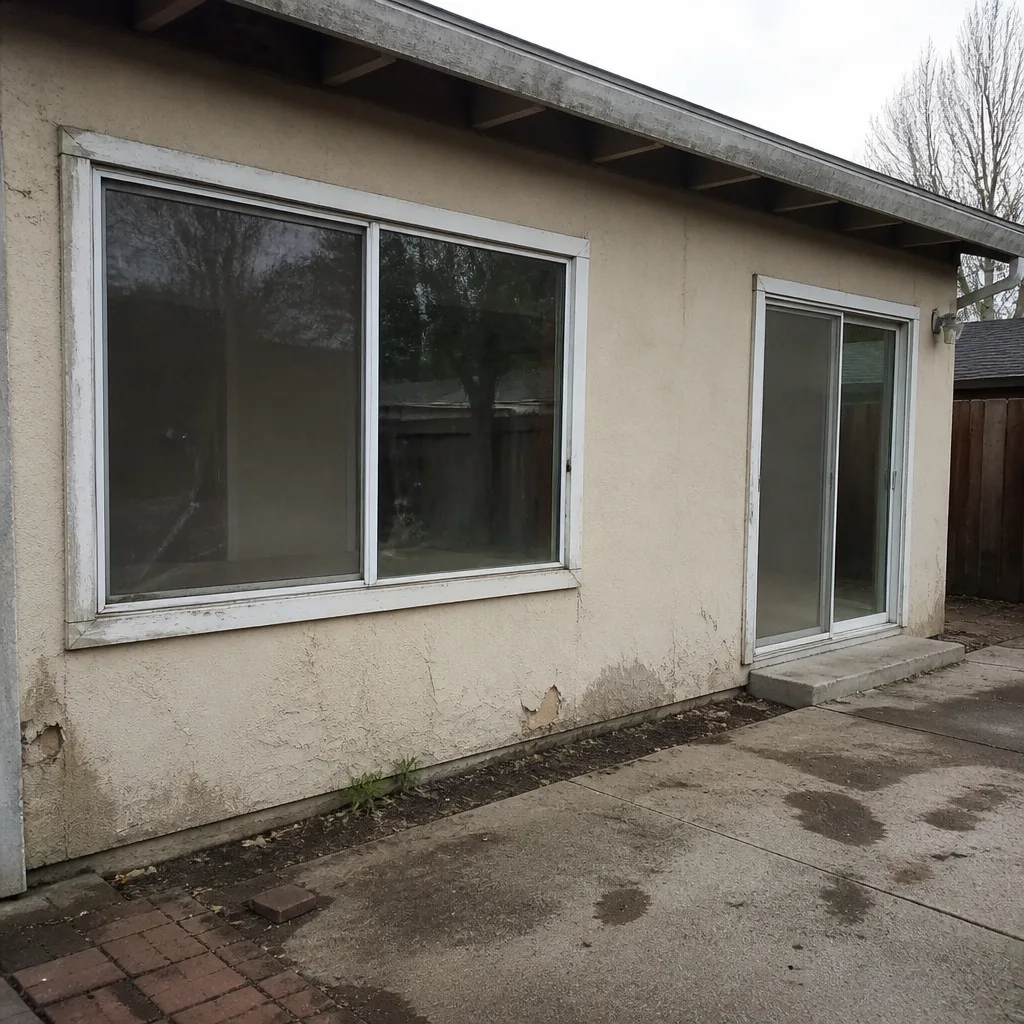 Before
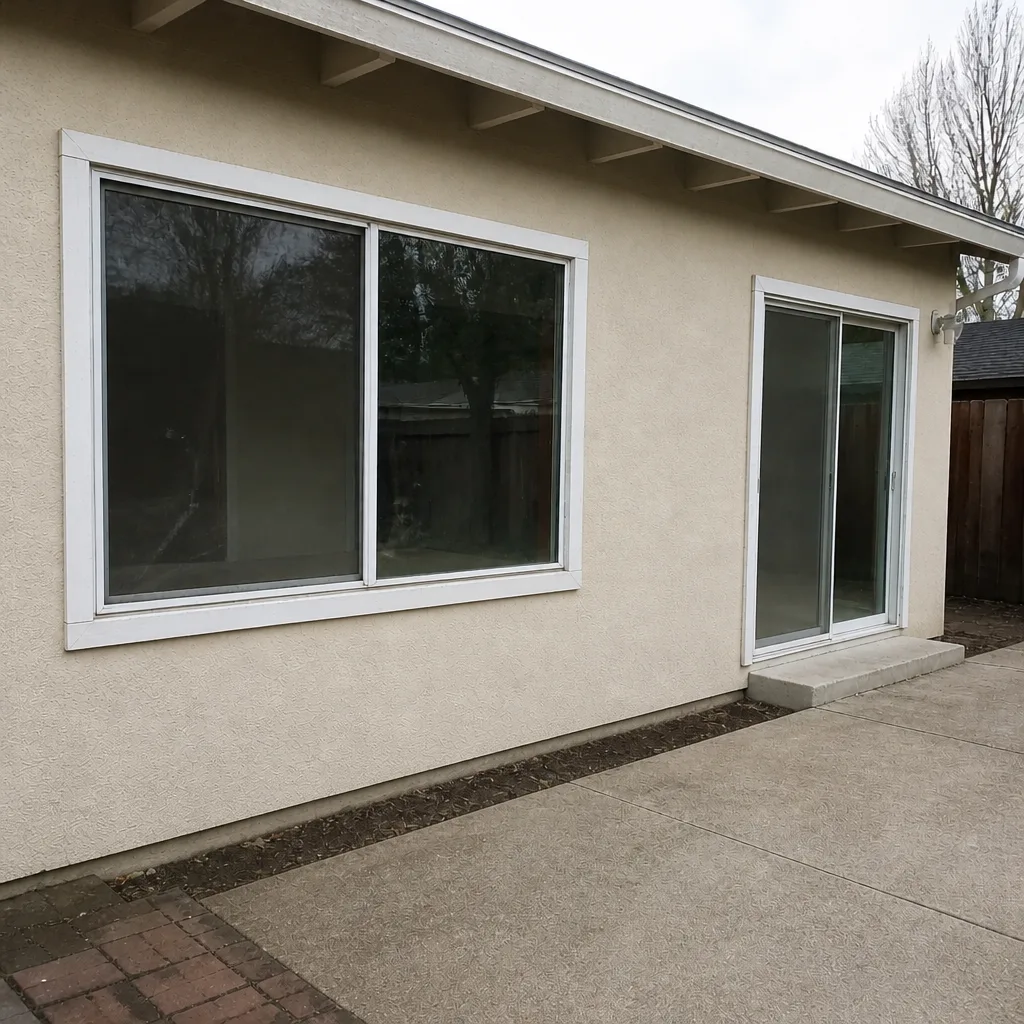 After
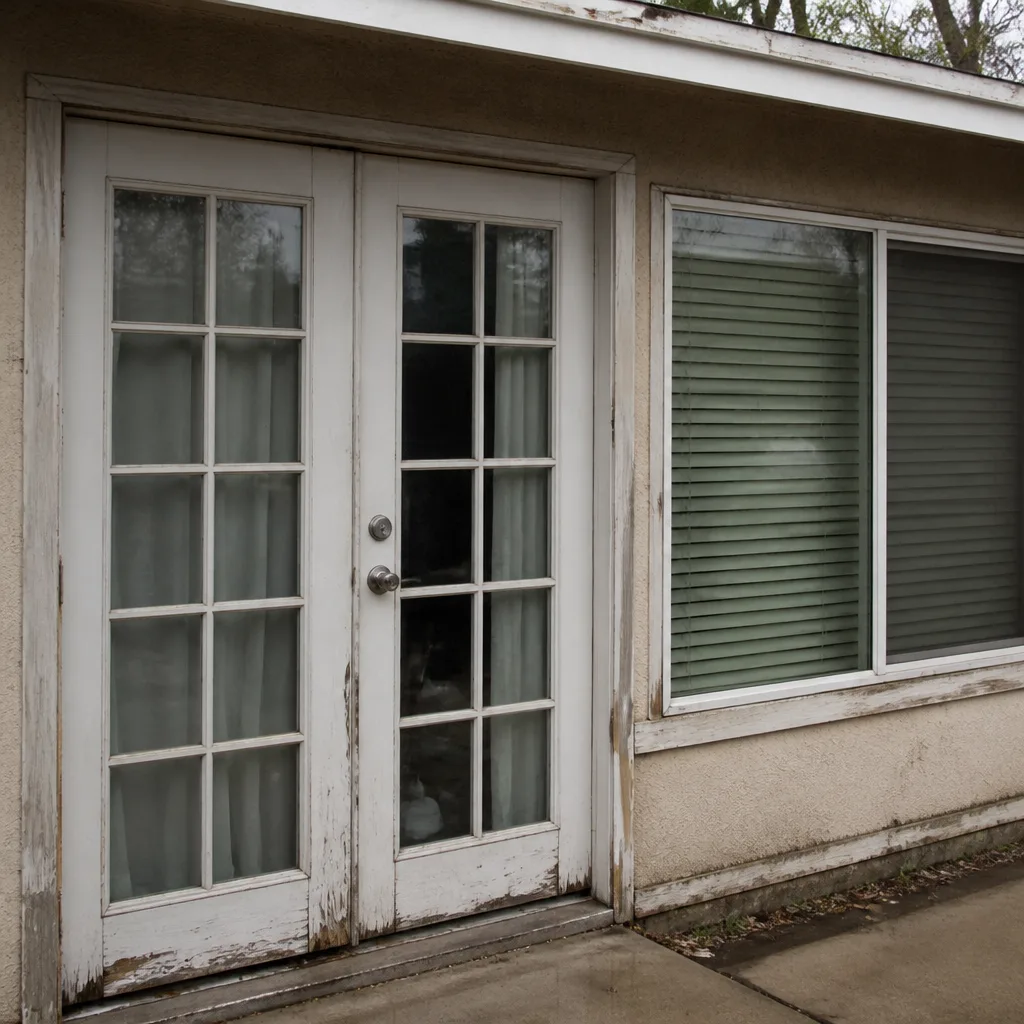 Before
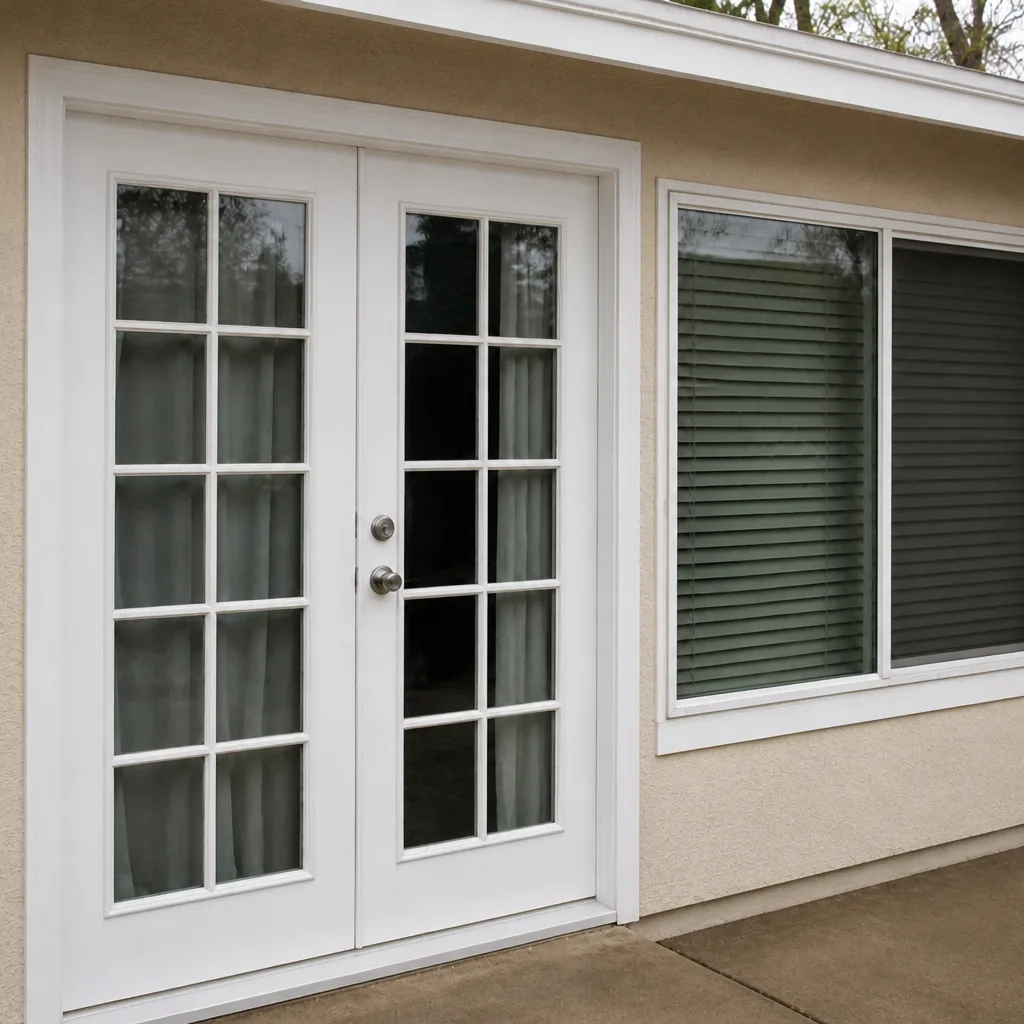 After