Last updated November 25, 2026
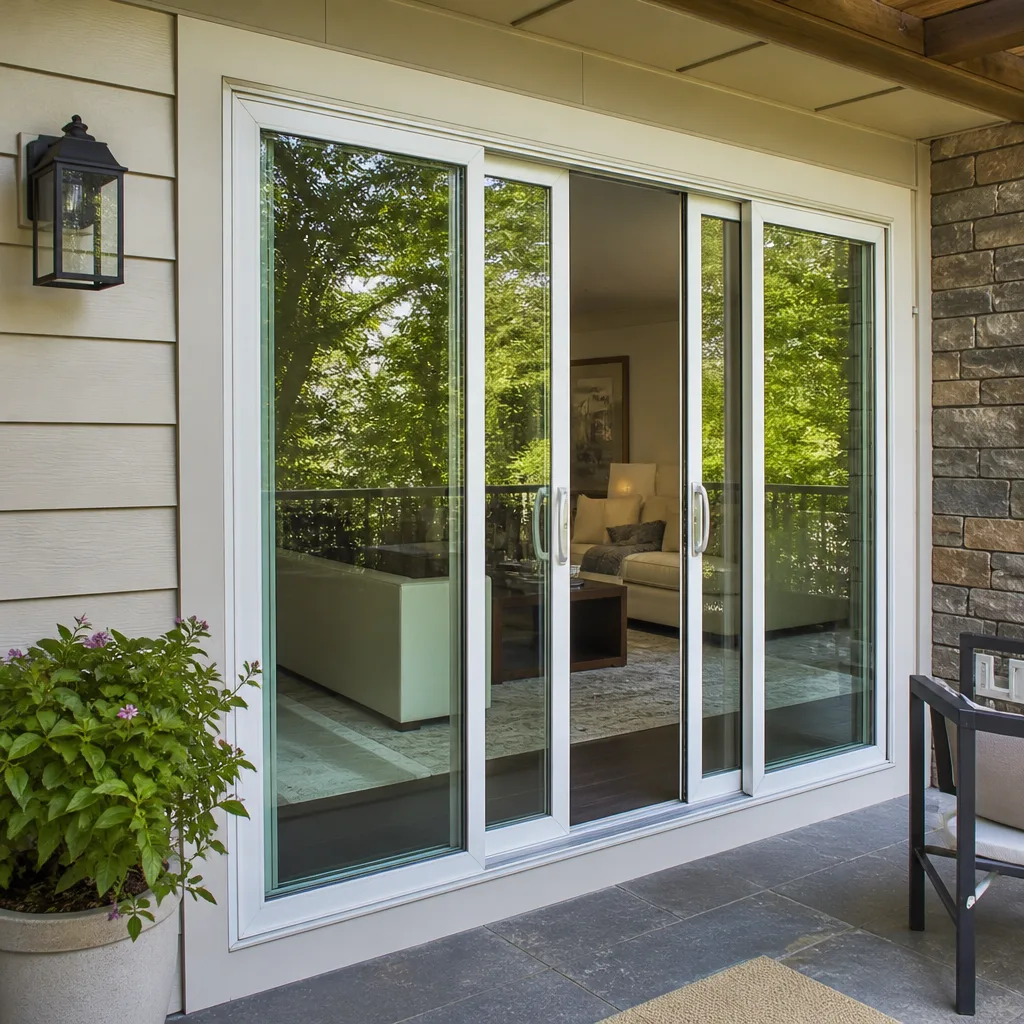 Sliding glass doors
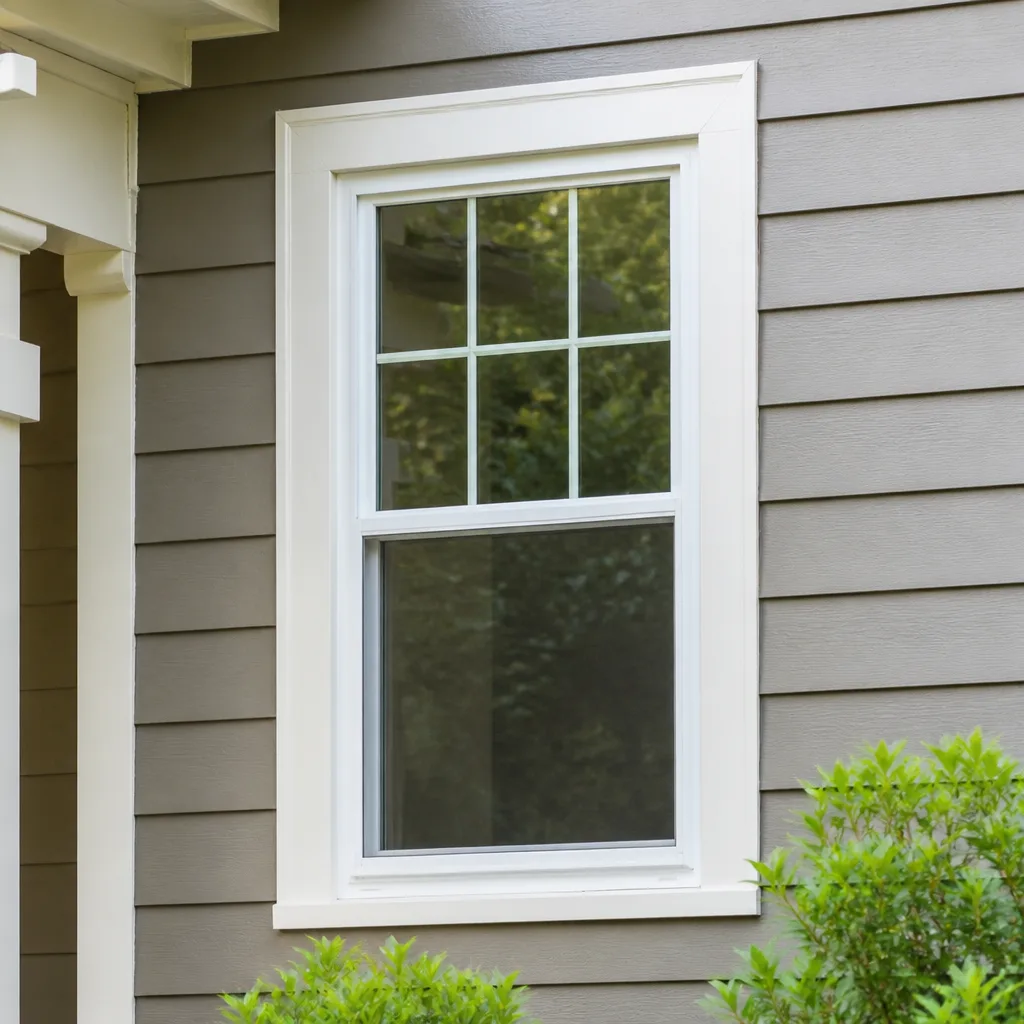 Single hung
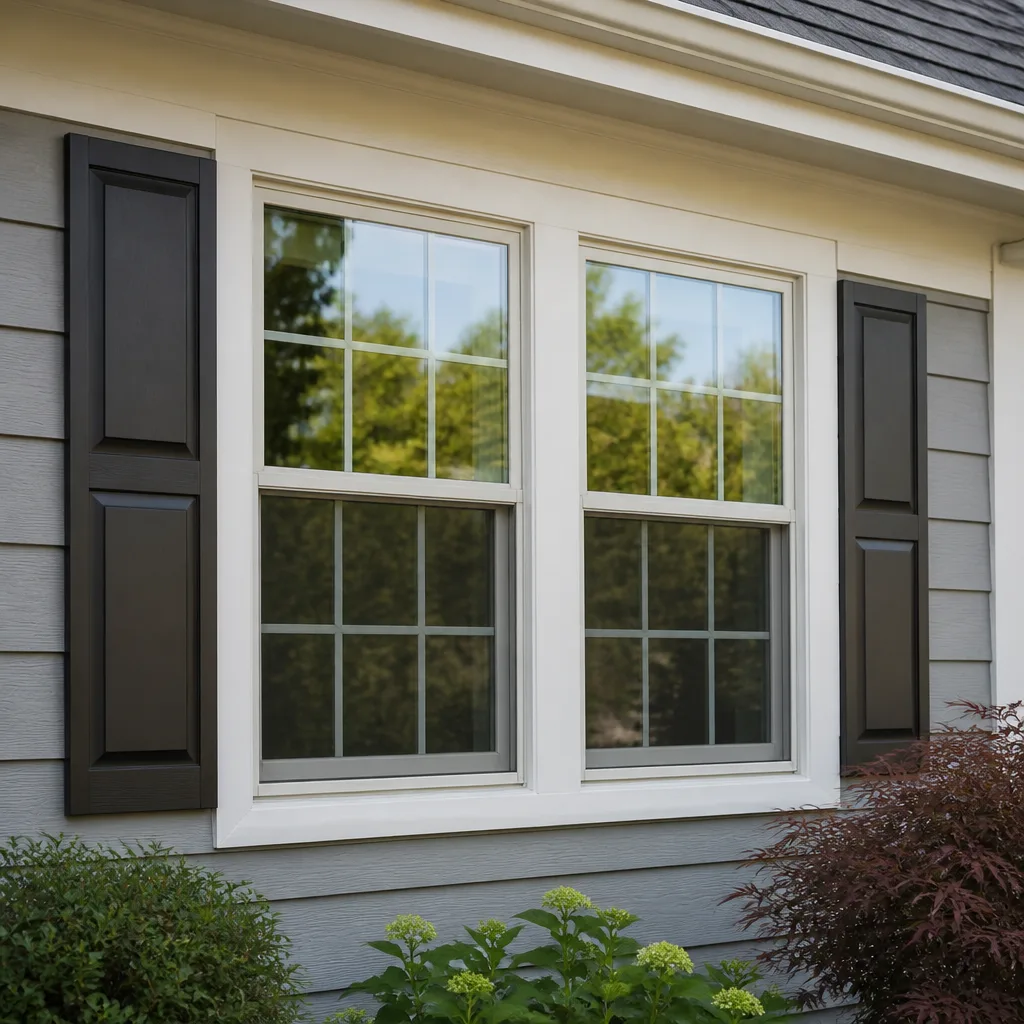 Double hung
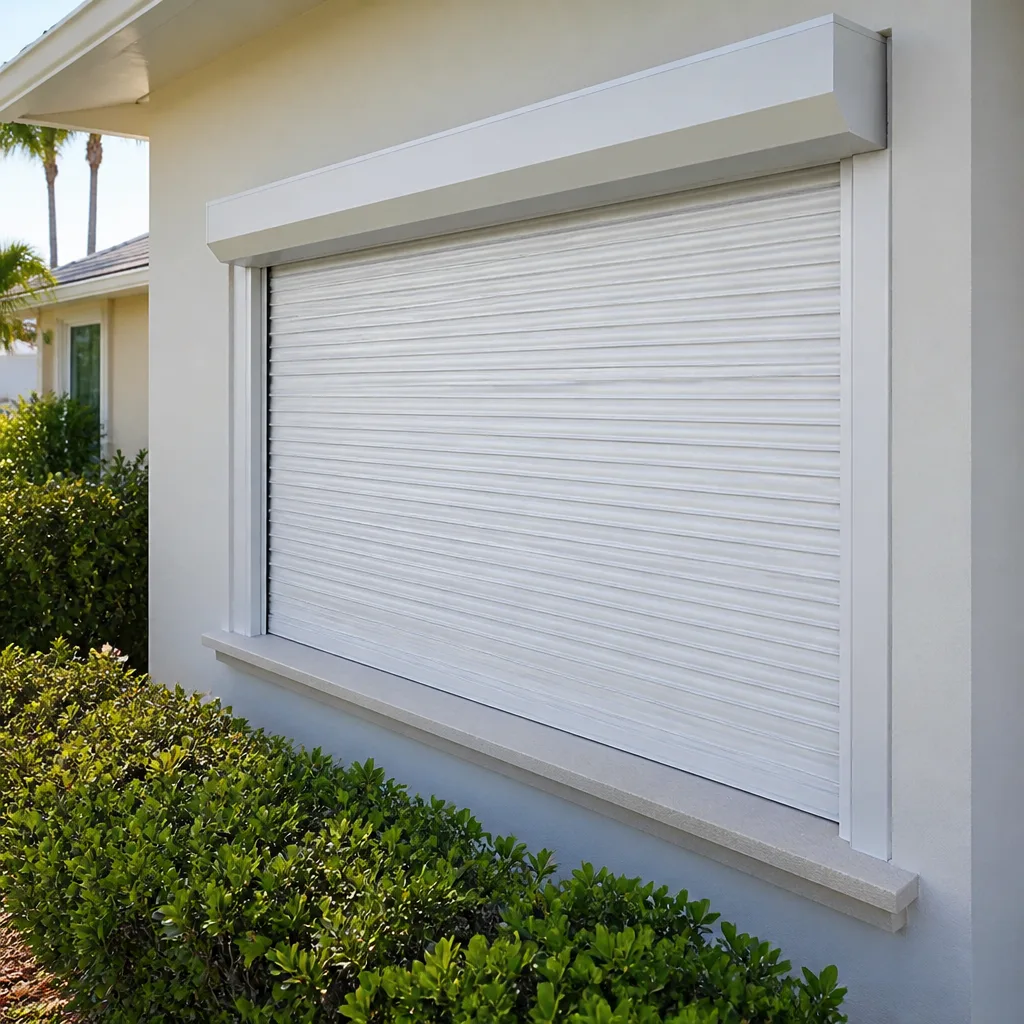 Horizontal roller
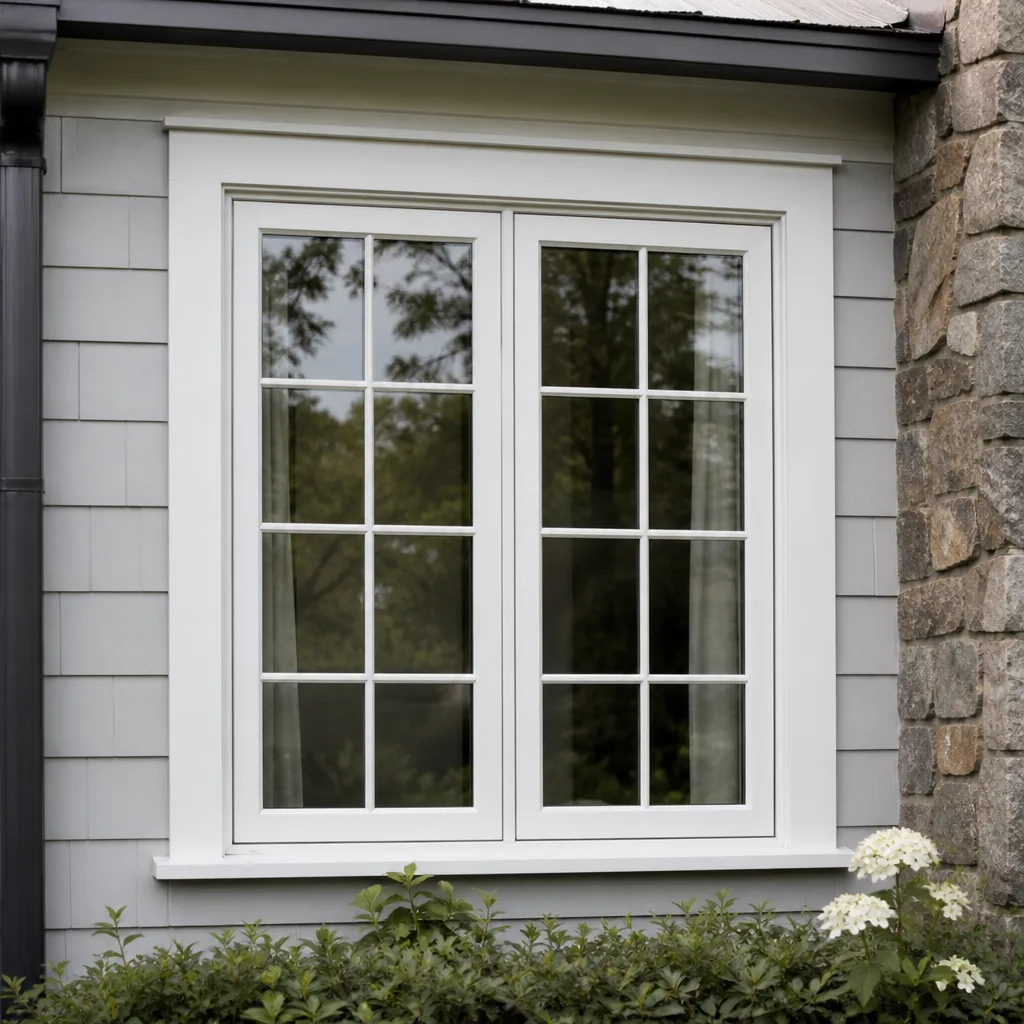 Casement
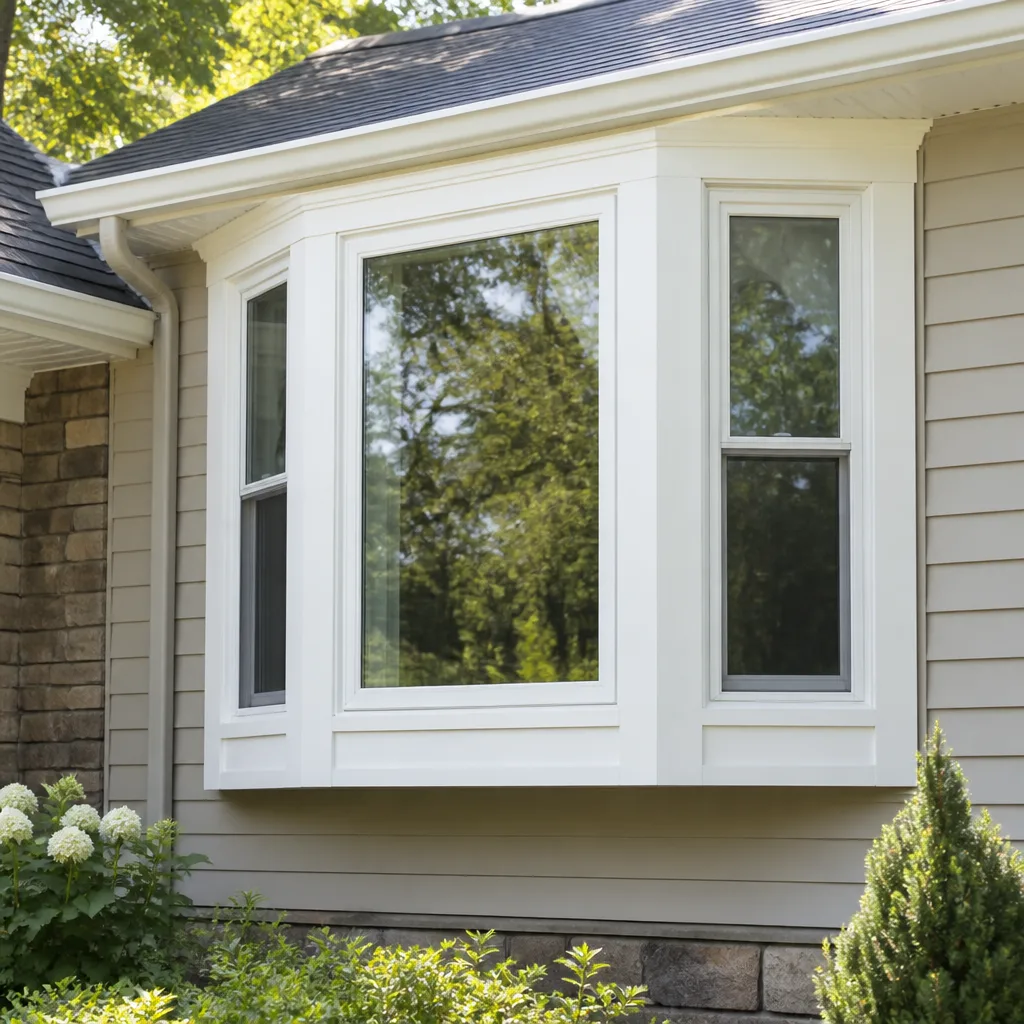 Bay & bow
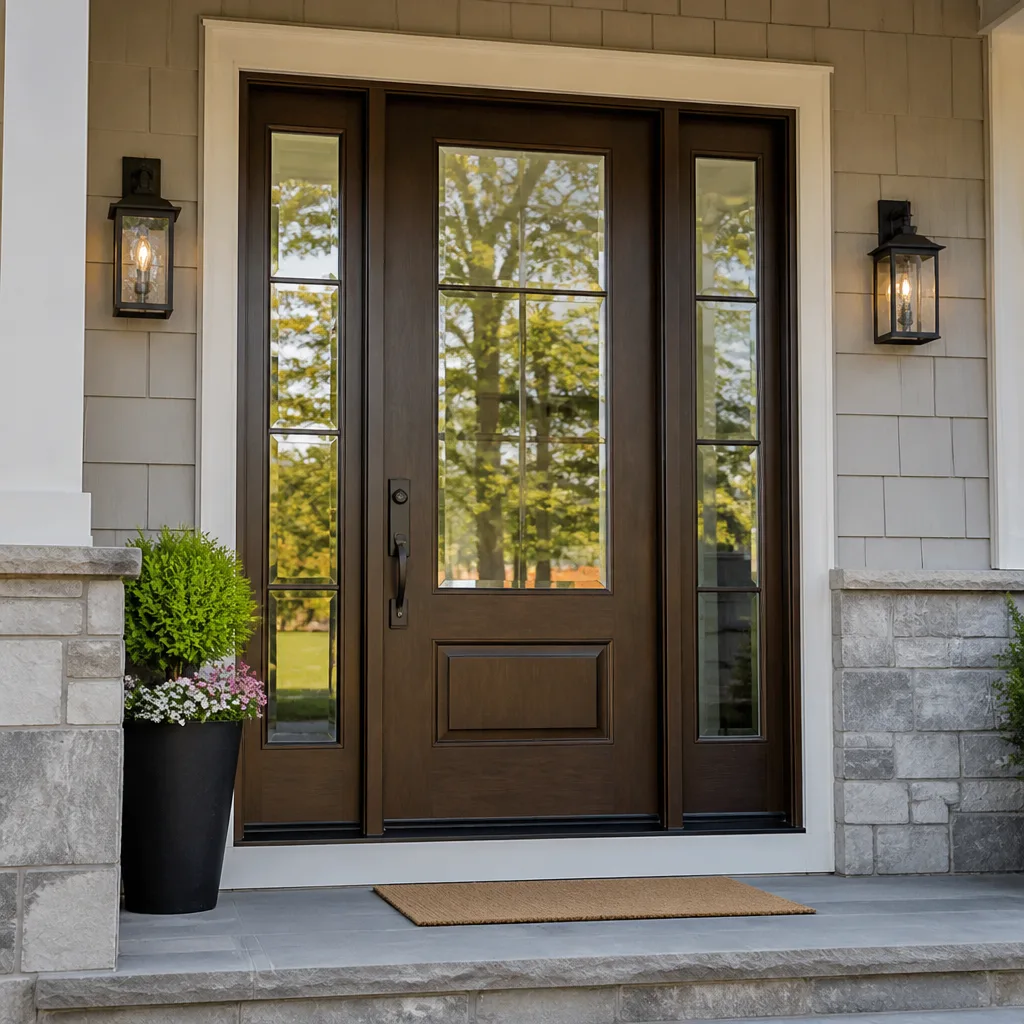 Entry doors
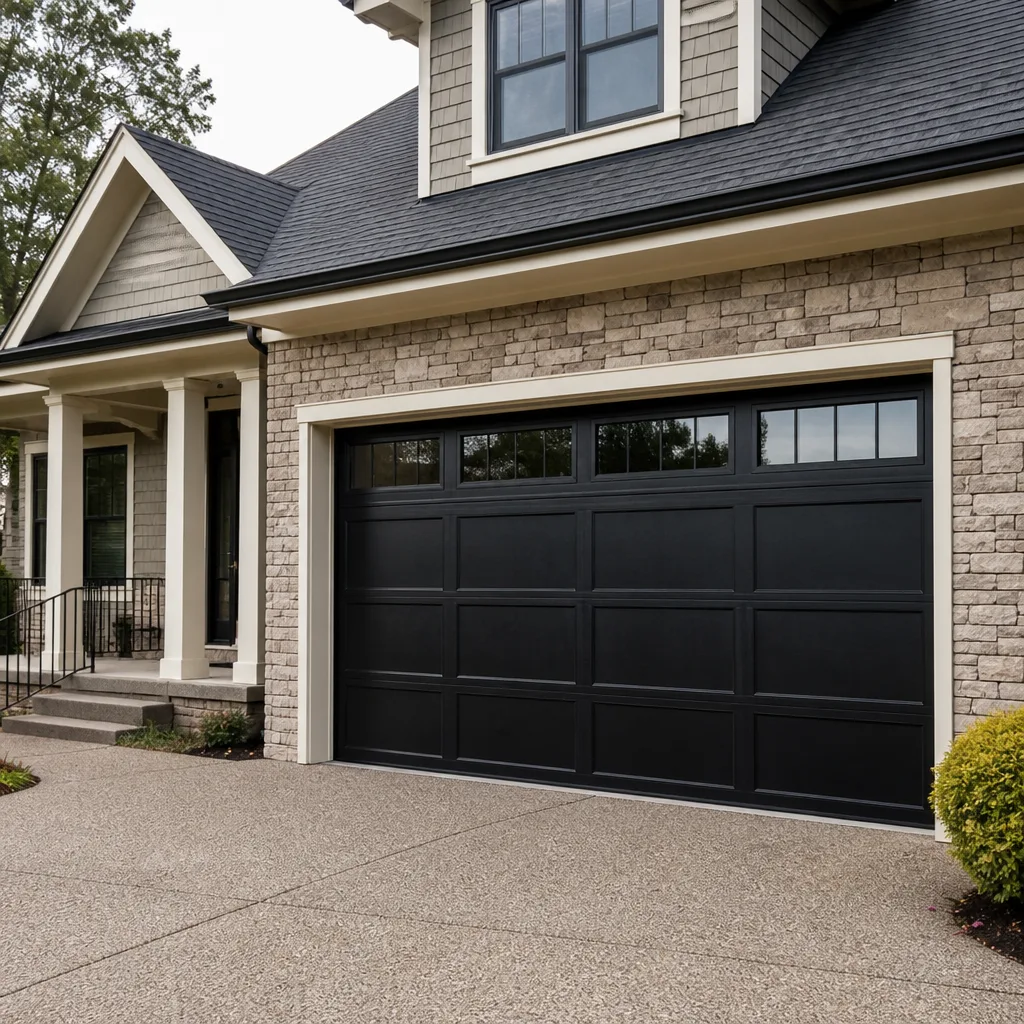 Impact garage doors
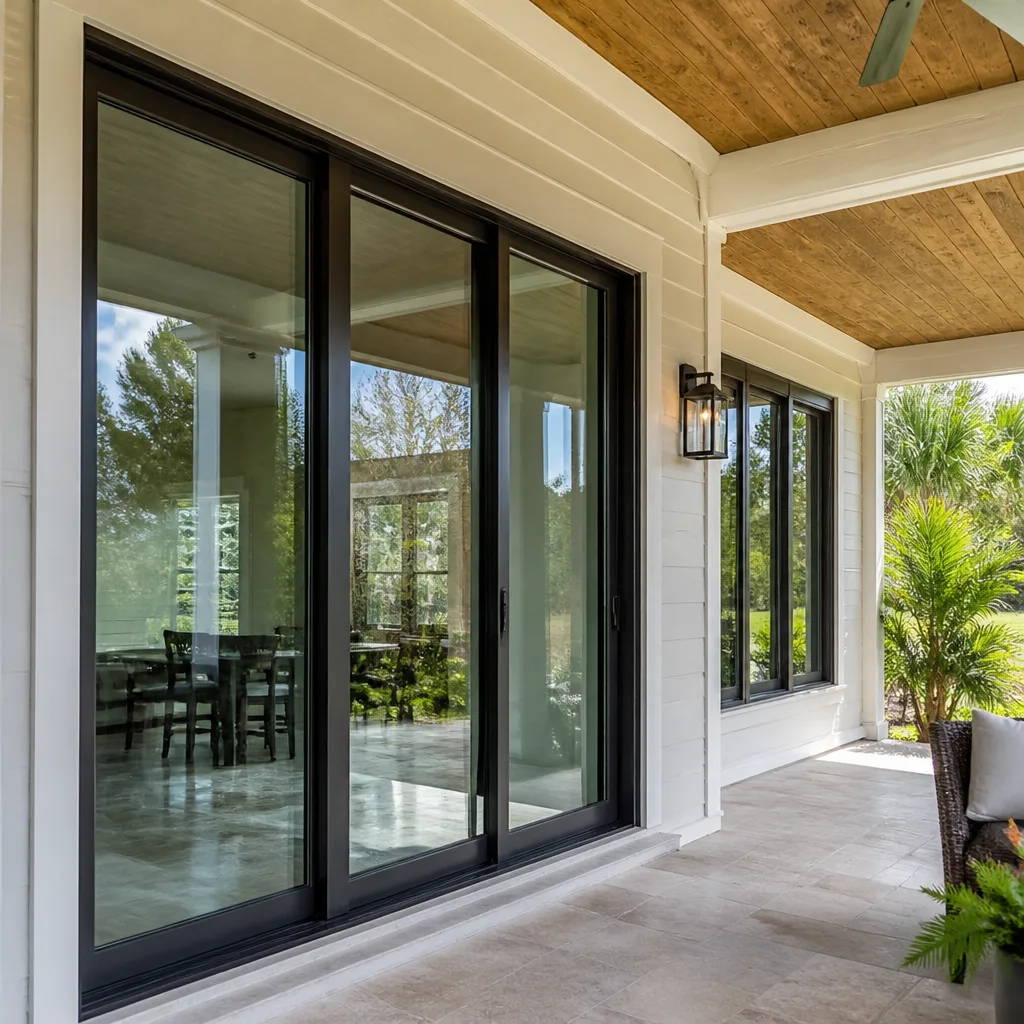 PGT
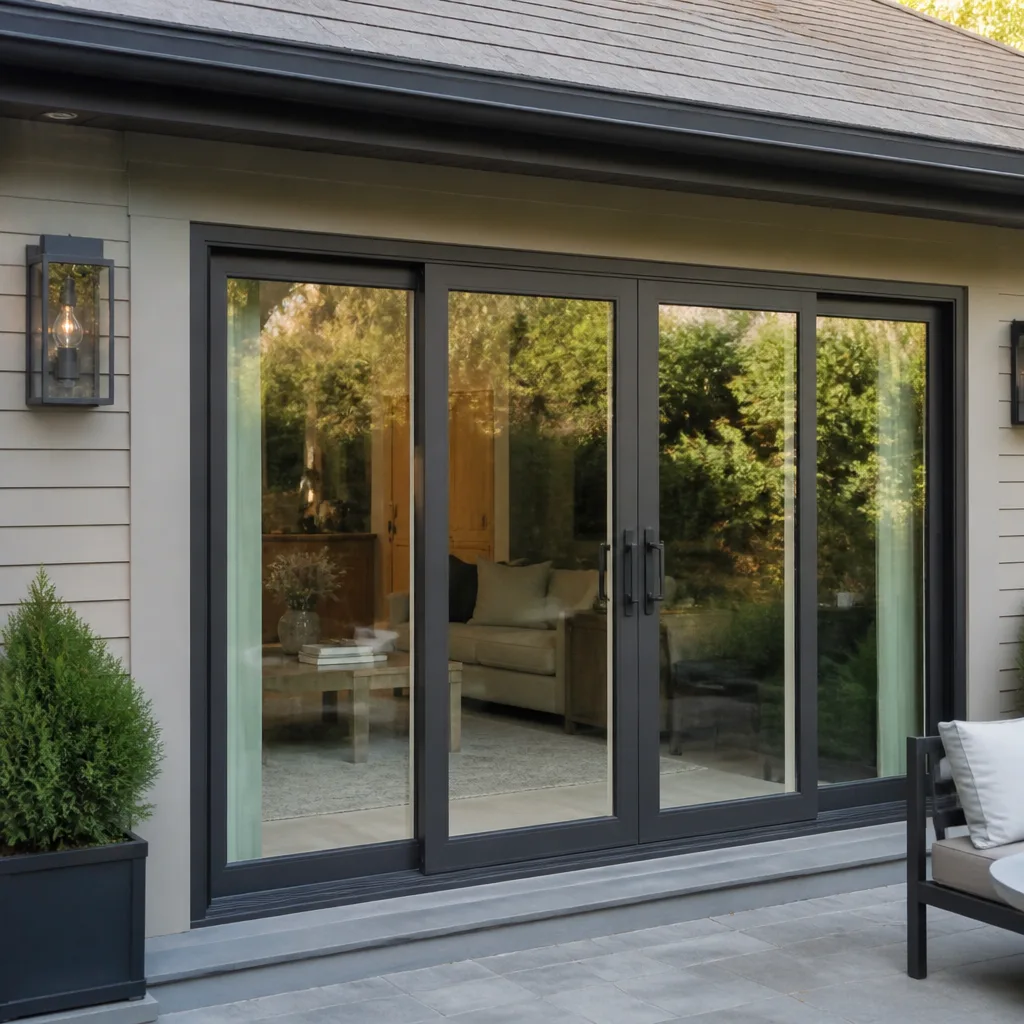 CGI
Free in-home measure and quote - PGT, CGI and CWS impact lines compared on your actual openings, style by style
Get your free estimateDIY vs Professional Windows & Doors: The Rancho Cordova Homeowner’s Decision Guide
A homeowner can physically install a window. The question is whether that installation will pass a Sacramento County inspection, hold the manufacturer’s warranty, and keep the wall dry for the next 20 years. Those are three separate standards, and DIY typically fails at least one of them. This guide lays out exactly where California law draws the licensed-contractor line, what the major window and door brands say about installer certification in their warranty language, why stucco integration is the riskiest part of a Rancho Cordova window job, and the narrow list of tasks where doing it yourself genuinely makes sense.
Quick Answer
Replacing a window or exterior door yourself is rarely worth it in California because the work touches building permits, Title 24 energy compliance, manufacturer warranty terms, and stucco water management all at once. A licensed professional handles the permit, the inspection, and the warranty, and is the only route that keeps all three intact. Interior trim, hardware swaps, and weatherstripping are the DIY tasks that make sense.
Styles & brands we work with
- Single hung
- Double hung
- Horizontal roller
- Casement
- Bay & bow
- Sliding glass doors
- Entry doors
- Impact garage doors
- PGT
- CGI
Table of Contents
- What’s Actually at Stake in a Window or Door Replacement
- Which Window and Door Tasks Require a Licensed Contractor in California?
- How Manufacturer Warranties Treat DIY Installation
- Why Stucco Integration Is the Highest-Risk DIY Failure Point
- Where DIY Legitimately Makes Sense
- The Real Cost Comparison: DIY vs Professional Installation
- Choosing the Right Product Before You Choose the Installer
- Permits, Inspections, and Title 24 in Rancho Cordova
What’s Actually at Stake in a Window or Door Replacement
The DIY versus professional question usually gets framed as a skill debate. That framing misses the point. The things that actually go wrong on a window job in Rancho Cordova are not visible the day you finish. They show up years later, when water has been working its way behind stucco, or when a warranty claim gets denied because the installation was never certified.
Three distinct standards matter on every window and door replacement:
- Code compliance. California’s Title 24 energy rules apply to replacement windows and doors. The product has to meet a U-factor and solar heat gain requirement for the climate zone, and the installation has to be permitted and inspected in most cases.
- Manufacturer warranty. Most window and door warranties include language that requires installation by a licensed, certified, or approved installer. A do-it-yourself installation can void the warranty on the product itself.
- Water management. Stucco exteriors need the window flange integrated correctly with the weather-resistive barrier and the drainage plane. Skip a step and the failure is invisible for years.
In our experience across Rancho Cordova window and door installations, the water management piece is the one that catches homeowners. It’s also the one nobody can check from the inside of the house. The finished trim looks identical whether the flashing behind it was done correctly or not.
Which Window and Door Tasks Require a Licensed Contractor in California?
California’s Contractors State License Board regulates who can legally perform work that exceeds the $500 “minor work” threshold when the work involves a building permit or a contractor acting as the project’s prime. Replacement window and door installation that requires a permit therefore falls under licensed contractor work. This is not an opinion or a rule of thumb; it comes from the Business and Professions Code sections that govern contractor licensing. The CSLB publishes the specifics on its site if you want to read the statute directly.
Here’s what that means in practice for a Rancho Cordova window or door project:
- Pulling the permit. Most window and door replacements that alter the building envelope require a permit from Sacramento County or the City of Rancho Cordova. Only a licensed contractor can pull certain permits, and the permit holder carries the responsibility for the work.
- Water intrusion liability. Once a permit is on record and the job passes inspection, the responsibility for installation failures falls back to the licensed installer. A homeowner doing the work absorbs that liability personally, which affects any future insurance claim related to water damage.
- Structural opening changes. If the new window or door is a different size than the old one, the job involves framing changes and header work. That’s structural and clearly licensed work in California.
- Title 24 energy compliance documentation. The permit and inspection process is where Title 24 compliance gets verified. Skipping it means the window product might not count for compliance at resale.
For a replacement window in Rancho Cordova, the practical takeaway is simple: if you’re pulling a permit, you’re in licensed contractor territory. If you’re not pulling a permit, you may be creating a problem that costs more than the job did.
How Manufacturer Warranties Treat DIY Installation
The major window and door brands publish warranty terms that differentiate between “manufacturer defect” claims and “installation” claims, and every one of them treats installation as a separate concern. The distinction matters because most failures on a replacement window are installation failures, not product failures.
Here’s the general pattern across the brands you’ll find in a Rancho Cordova window project:
- Milgard publishes a Full Lifetime Warranty that, in its standard form, covers materials and workmanship of the product but explicitly does not cover problems caused by improper installation. The warranty documentation points homeowners back to the installer for installation-related failures.
- Andersen structures its warranty around the product itself and treats installation as the installer’s responsibility, with the installer expected to be a licensed contractor. Andersen advises consumers to verify that the installer is licensed and to check installation documentation.
- Pella publishes separate product warranties and installation warranties, and installation warranties are only issued when Pella or a Pella-certified installer does the work. A homeowner-installed Pella window does not carry the installation warranty.
- PGT, CGI, and Therma-Tru all publish product warranties and installation guidance separately, and installation failures (water intrusion around the frame, flashing, or sill) generally fall outside the product warranty coverage.
What that boils down to: the manufacturer stands behind the glass and the frame. The installed system – the water-tight assembly of window, flashing, and wall – is the installer’s responsibility. That’s the piece most DIYers lose when they go it alone. A properly licensed professional like the ones we connect homeowners with is the party who stands behind the installation, and the ones with a certification relationship to the manufacturer carry that standard through to the warranty.
The window replacement trade-off here is real: paying more up front for a licensed installation often pays back through warranty coverage on the product. If you want to see what professional window replacement looks like, our service page walks through the process.
Why Stucco Integration Is the Highest-Risk DIY Failure Point
Most homes in Rancho Cordova have stucco exteriors, and stucco is the trickiest possible surface for a window installation. It doesn’t flex, it doesn’t absorb water, and any gap between the window flange and the weather-resistive barrier behind the stucco becomes a channel for water traveling into the wall cavity. That’s why stucco integration is the single most important part of the job – and the least forgiving part to get wrong.
A correct flanged window installation into stucco involves this sequence:
- Careful removal of the old window. The stucco around the opening has to be cut back cleanly enough to allow new flashing and a water-tight return. Cracks here become entry points.
- Weather-resistive barrier integration. The building paper or house wrap behind the stucco has to overlap the window flange correctly, with the correct shingle-lap direction so water drains out and never travels up or sideways.
- Flashing at the sill and jambs. Pan flashing at the sill is where most failures originate. It has to be integrated with the flange and the barrier and pitched slightly outward.
- Backer rod and sealant at the stucco return. The gap between the window frame and the surrounding stucco gets backer rod and sealant, allowing some movement and channeling water out.
- Inspection. In many cases the flashing integration needs to be seen before the stucco return closes it up. Skipping that step on a DIY install is the most common avoidable failure.
- Final stucco patch and paint. The finished stucco return needs the correct profile and texture to match the rest of the wall, which is its own skillset.
Three years after a failed installation, what you’ll see is subtle. Stucco staining below the window sill. A soft spot on the drywall near the corner. Paint holding water on the sill. Sometimes a musty smell. Sometimes water pooled inside the window frame after a rain. By the time any of that shows up, water has been finding the same path for years. The wall behind the window may need opening up for repair, and the cost to fix it typically outruns the savings from the original DIY job. That’s before you factor in the possibility of a denied insurance claim, since most policies exclude long-term water damage that a homeowner could reasonably have prevented.
This is the reason we treat stucco integration as core work, not a side service. A window window installation where the wall interface is done right the first time is worth more than a lower install price with a hidden water problem inside the wall.
Where DIY Legitimately Makes Sense
There are real DIY wins on a window and door project. We’re not going to pretend there aren’t. The trick is separating the tasks that touch the building envelope from the ones that don’t.
Tasks well within reach of a careful homeowner:
- Interior trim replacement. After the window is installed, interior casing and stool work is a carpentry job with a moderate learning curve. The basic tools – miter saw, finishing nailer, caulk, paintable wood filler – are affordable, and a first-time job with a couple of practice boards usually comes out clean. If you enjoy finish carpentry, this is a great place to learn.
- Hardware upgrades. Replacing handles, locks, hinges, and door knobs on a Therma-Tru or ViewLux entry door doesn’t touch the wall or the weather seal. Handleset swaps need a screwdriver and a willingness to read instructions. Any homeowner can do this.
- Weatherstripping replacement. Worn weatherstripping on exterior doors gets you drafts for a low price. Replacing it needs no specialized tools – scissors, a tape measure, and the right replacement strip. Rancho Cordova’s mild winters make this a reasonable small project.
- Painting interior window casings and door trim. Straightforward prep, primer, and paint. No envelope implications.
- Screen replacement. Rescreening a window screen is a small-scale project that doesn’t affect the window’s performance or warranty.
The line to hold is the wall opening itself. The moment a job involves removing the window or door from its frame, cutting into stucco, altering the rough opening, or touching the flashing, it’s left the DIY zone. Anything that stays inside the frame or on the interior side of the wall is fair game.
The Real Cost Comparison: DIY vs Professional Installation
Comparing the DIY price tag to the professional bid on the front end always makes DIY look cheaper. That’s because the DIY side usually leaves out three costs that show up later: tooling, permit exposure, and rework risk. Here’s what a realistic accounting looks like on a replacement window or exterior door project in Rancho Cordova.
The line items on the DIY side:
- Material cost. The window or door unit itself, plus flashing, backer rod, sealant, weather-resistive barrier, and stucco patching materials.
- Tool cost. On a first window job, that means the circular saw or reciprocating saw for cutting stucco, a flashing installation kit, caulk guns, pry bars, and level. Most homeowners don’t own all of it. Buying tools is a real cost, and the tool is not free even if you keep it.
- Permit and inspection risk. If the job requires a permit and you don’t pull one, you’re exposed at resale. If you do pull one as a homeowner, you’re still responsible for the inspection outcome, and if it fails you’re paying a licensed contractor to correct it.
- Rework risk. Water intrusion repair costs more than the original installation. The same is true for a failed inspection that requires opening the wall back up.
- Warranty gap. The product warranty may not be honored if the installation isn’t certified by the manufacturer’s approved installer.
- Time and lost weekends. A window replacement done by a first-timer can take several full weekends, and the wall is open during that time.
On the professional side, you’re paying for the labor, the permit, the inspection, the warranty, and the licensed installer. That’s the honest list. If you want the numbers, professional door replacement and window bids typically come with a written line-item estimate so you can see what the labor covers. We take replacement window and door jobs of 3 openings or more, so we can quote a full scope in one estimate rather than piecing it out.
The one thing that genuinely shifts the math: on a multi-opening project, the per-opening labor cost drops because the setup and permit work spreads across the whole job. DIY rarely pencils out because it doesn’t share setup. Once you’re pulling a permit, running 3 or more openings, and dealing with stucco integration on each one, paying a professional once is very often cheaper than doing it yourself once and paying someone else to fix it.
Choosing the Right Product Before You Choose the Installer
The other decision that most DIY versus pro conversations skip past: which product to install. A window or door bought on the assumption that all units are interchangeable ends up being a poor fit for the home’s climate and performance needs, and no installer can fix a product choice after the fact.
At Window Replacement Rancho Cordova, we carry eight recognized brands so customers can compare options rather than accept a single house brand. The picks that matter most for Rancho Cordova homeowners:
- ECO Window Systems for energy performance, with side-by-side comparison against other units on efficiency specs.
- PGT for impact-rated systems engineered to strict wind-load standards when the customer wants the highest performance bar.
- CGI for impact-rated windows alongside the PGT line, giving homeowners a second comparison point at a different price.
- Therma-Tru for fiberglass entry doors, one of the most tested door systems in the trade.
- ViewLux and Mr-Glass for designer and value-conscious options depending on budget and aesthetics.
- CWS and ES Windows to round out the portfolio with additional choices so no customer gets pushed toward a single brand.
Because we install all of these lines, we’re not in the position of steering you toward one product. The right window for your home – not just the one we have in stock – is the standard we hold ourselves to. If you want to see how the product conversation maps to a real project, our window replacement page breaks down the differences. Windows and doors only – that’s the entire scope of what we do, so every installer we bring in treats this work as core, not a side service.
Permits, Inspections, and Title 24 in Rancho Cordova
A permit for a window replacement in Rancho Cordova is often required when the work alters the building envelope. Sacramento County and the City of Rancho Cordova are the two agencies that handle building permits here. The exact requirement depends on the scope of work, so the right move is to ask the local building department directly. We can help with that call when we estimate a job.
Title 24, California’s energy efficiency standard for residential buildings, applies to replacement windows and doors in most cases. The window product needs a U-factor and solar heat gain coefficient that meets the current code for the climate zone. When the permit is pulled and the work is inspected, the compliance is documented. When a homeowner skips the permit and installs an unpermitted unit, that unit may not count for compliance at resale, and a future buyer’s inspection can surface the discrepancy.
The ordering of tasks in a professional replacement window or door project, in Rancho Cordova, typically goes like this:
- Measure and product selection. The opening is measured, the right product line is chosen, and the estimate is written as a line-item document.
- Permit application. The contractor pulls the permit through the local building department. The product’s Title 24 compliance documentation gets submitted with the application.
- Site prep and old unit removal. The work area is protected, and the old window or door comes out cleanly. Stucco removal is planned here.
- Water-resistive barrier and flashing. Flashing is installed, backer rod and sealant applied, and the installation gets staged so the envelope is protected while the wall is open.
- New unit install and trim. The new window or door goes in, the interior trim is finished, and the exterior wall is patched and finished to match.
- Inspection and sign-off. The local inspector reviews the installation. A passing inspection confirms the product and the installation meet code.
That’s the sequence that keeps the warranty, the permit, and the water management all intact. A do-it-yourselfer has to replicate every step and take personal responsibility for each one. The professional route assigns that responsibility to the licensed installer and the manufacturer’s certified program. Rancho Cordova homeowners often ask us whether it’s worth it – our answer is that on a window or door that’s going to sit in a stucco wall for 20 years, the installation carries more weight than the product. The number of openings matters here too; we take jobs of 3 openings or more so the permit, setup, and inspection time spread across a full scope rather than a single window.
Common Mistakes to Avoid
- Skipping the permit because “it’s just a window.” Sacramento County and the City of Rancho Cordova treat envelope changes as permit-worthy work. Skipping the permit can become a resale problem years later.
- Assuming the product warranty covers installation. Most manufacturers stand behind the glass and the frame, not the flashing and the weather-resistant barrier. Water intrusion around the frame is the installer’s responsibility.
- Not checking the Title 24 compliance of the product before installing it. A window that doesn’t meet the U-factor or solar heat gain coefficient for this climate zone may not count for compliance at resale.
- Cutting stucco without a plan for the flashing sequence. Stucco integration is the highest-risk part of any exterior window or door installation in Rancho Cordova. It needs to be sequenced correctly, not figured out as you go.
- Reusing the old weather-resistive barrier instead of replacing it. Old building paper loses integrity and doesn’t integrate properly with new flashing. The barrier is the water management system for the wall.
- Buying a window with no installer lined up. Buying materials first and finding an installer later is a common path to delays and cost overruns, since licensed installers prefer to control product selection and warranty documentation.
- Assuming DIY is permitted on multi-opening projects. Even a two-window job can require permits and inspection in Rancho Cordova, and permit risk multiplies with each opening.
See the difference
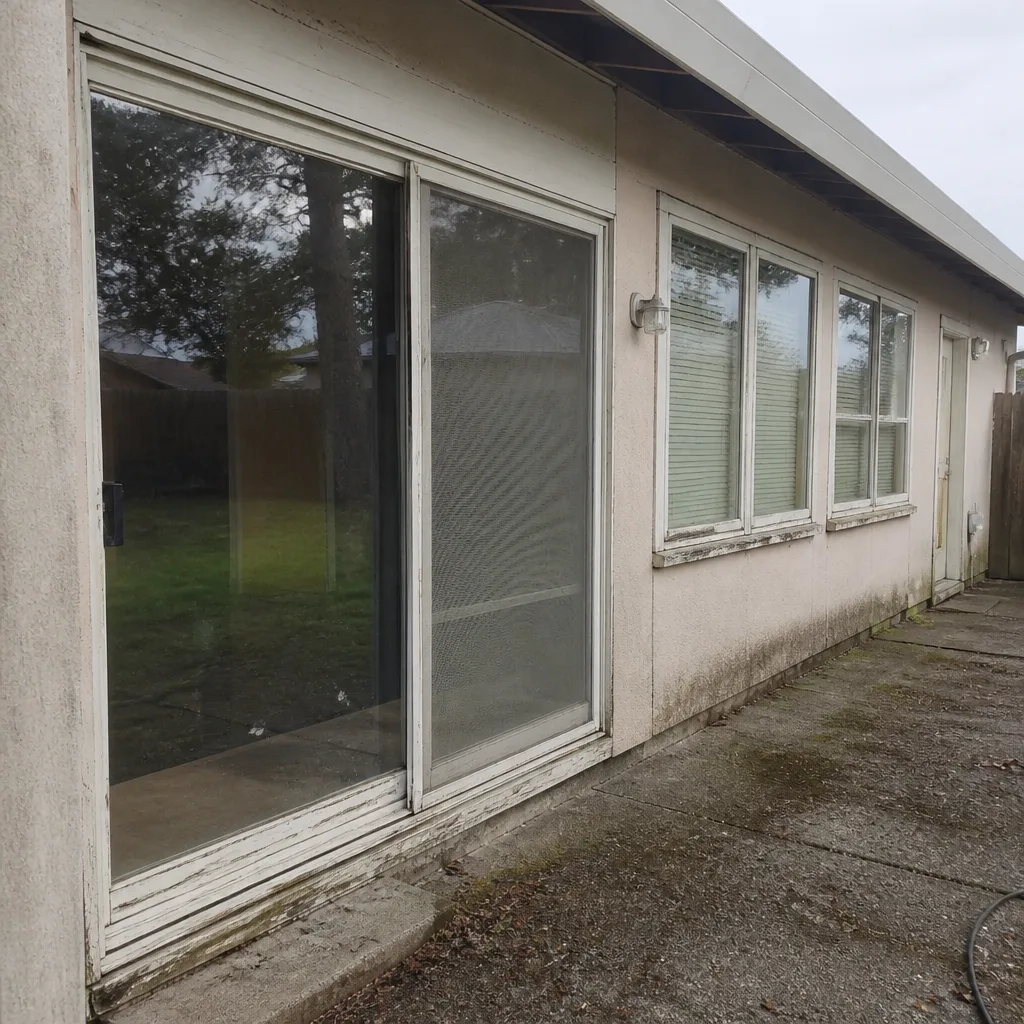 Before
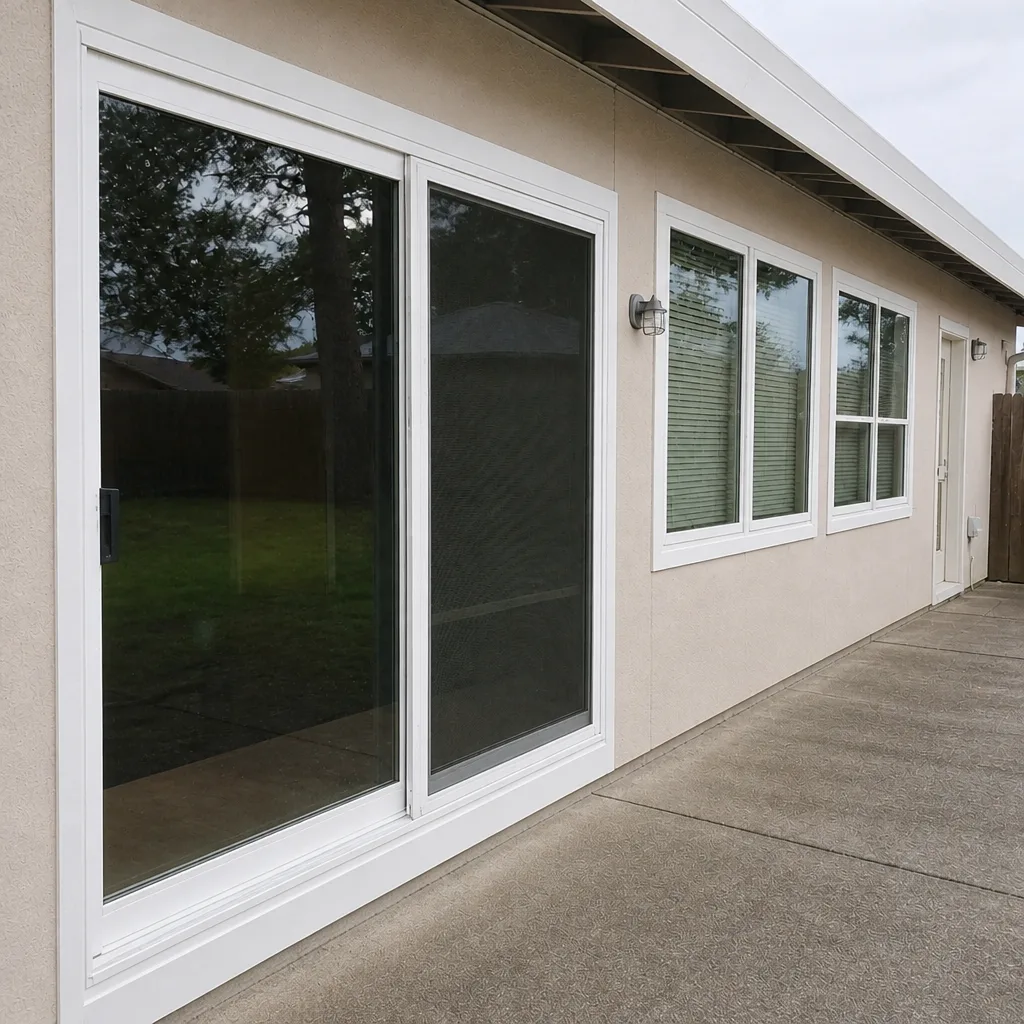 After
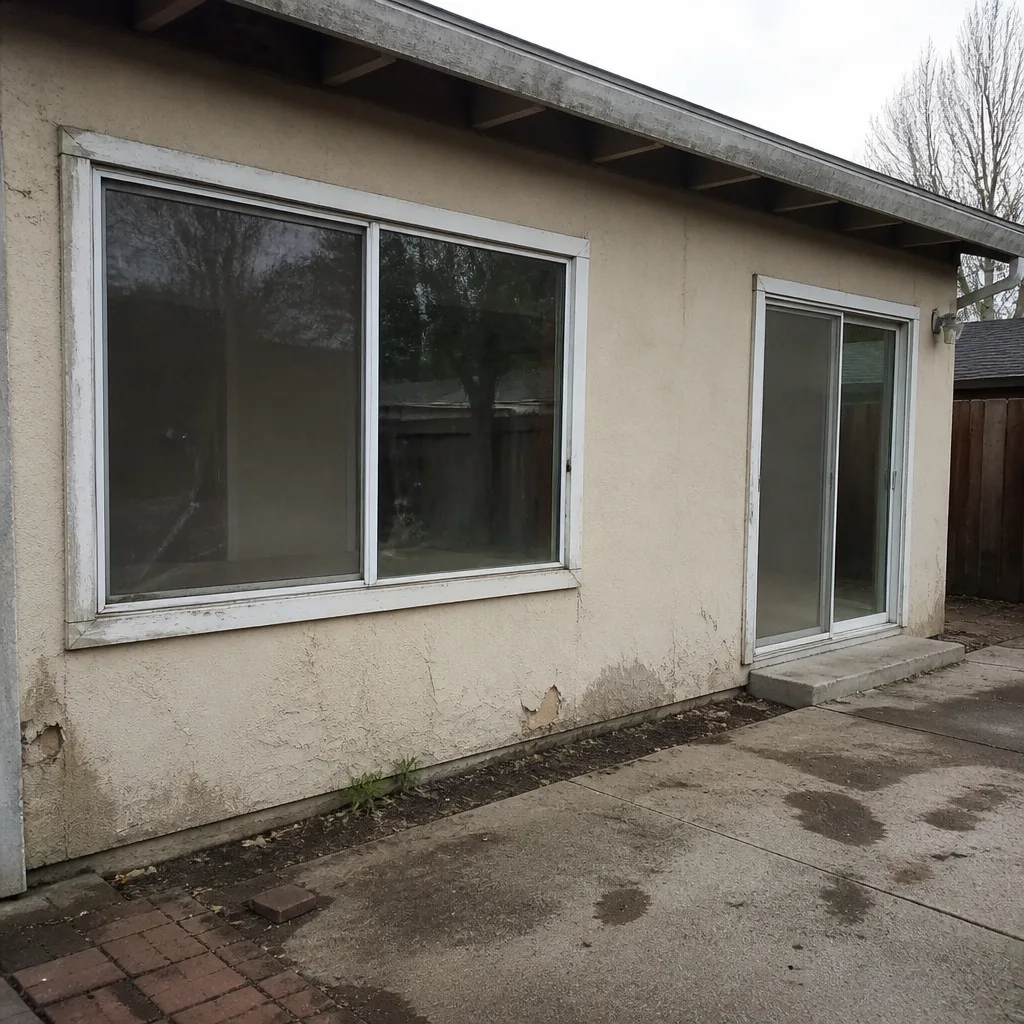 Before
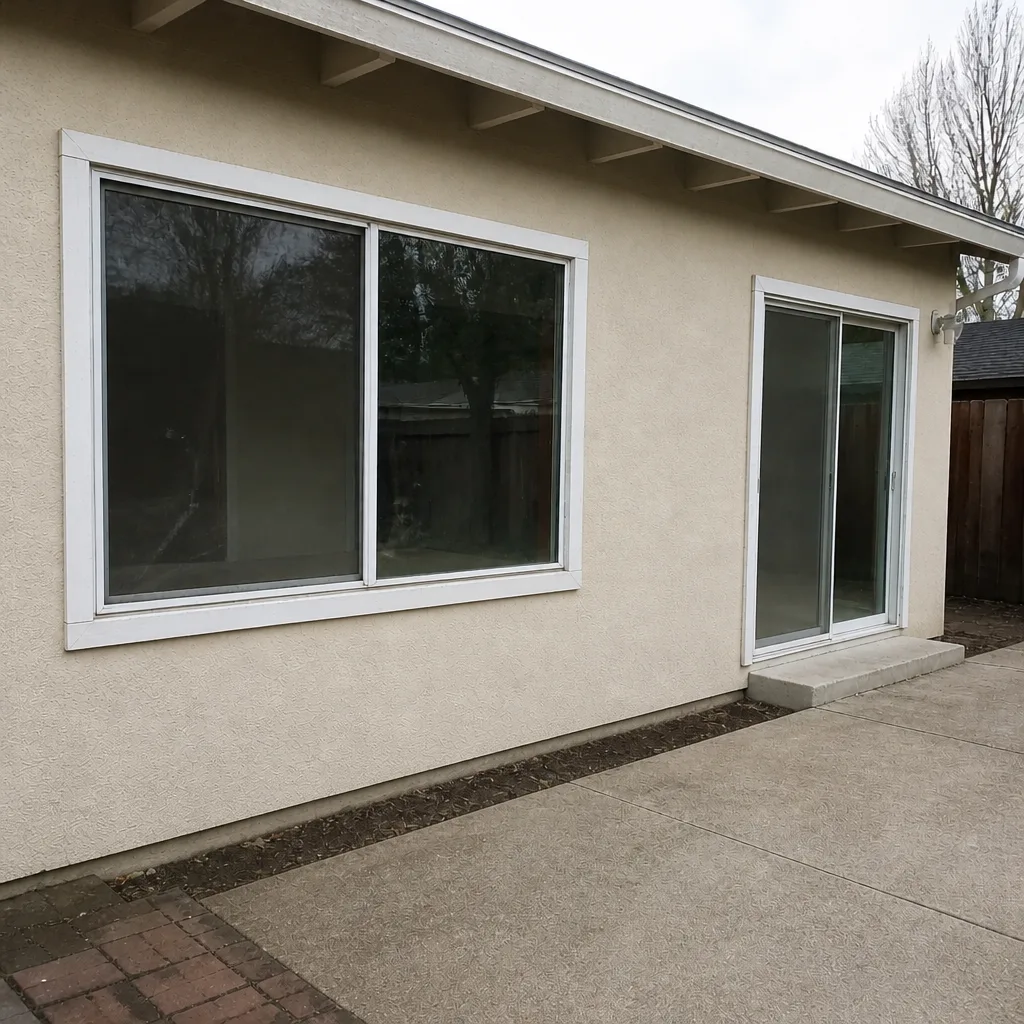 After
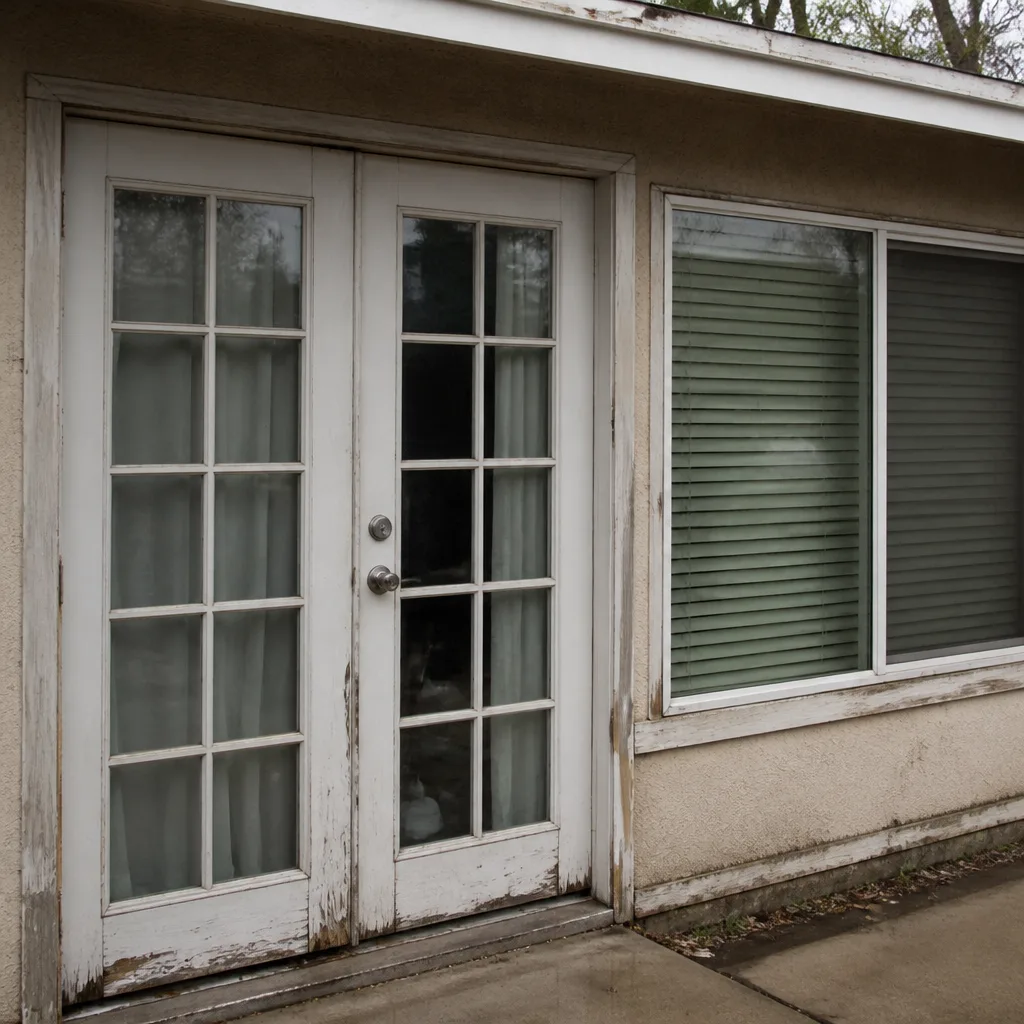 Before
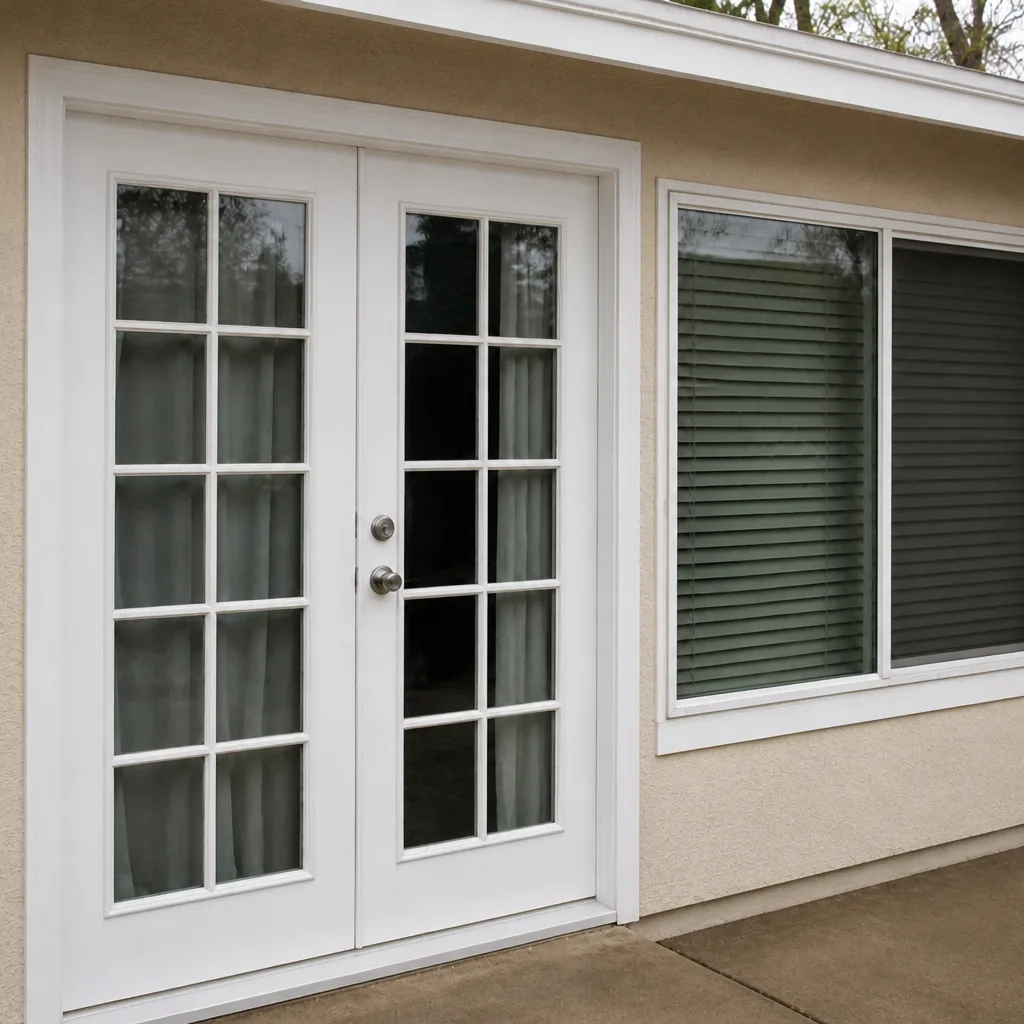 After
When to Call a Professional
Call a professional when the job involves removing a window or exterior door from its wall, altering a rough opening, integrating flashing with the stucco, or dealing with Title 24 compliance. Those are the points where do-it-yourself either breaks the manufacturer warranty, misses the inspection, or leaves the wall vulnerable to water intrusion. Call a professional when the project involves 3 or more openings, when you want the product’s warranty to actually cover the installation, or when the wall is already showing signs of water damage that need to be addressed along with the replacement. Interior-only projects – trim, hardware, weatherstripping – don’t need one.
Window Replacement Rancho Cordova offers free estimates in Rancho Cordova – call (279) 321-4428. We’ll walk your openings, compare the right brands for your home, and give you a written line-item estimate so the professional cost is easy to compare honestly against the DIY number.
Frequently Asked Questions
It depends on whether the job requires a permit. In California, work that requires a building permit is generally restricted to licensed contractors, and window replacement that alters the building envelope in Rancho Cordova usually requires one through the City of Rancho Cordova or Sacramento County. If you’re unsure whether your project needs a permit, ask the local building department directly before starting. Call (279) 321-4428 for a free estimate if you’d rather hand the whole question to a professional.
Often yes, at least for the installation portion of the warranty. Milgard, Andersen, and Pella all publish warranty terms that treat installation separately from the product, and several of those terms require installation by a licensed or certified installer. The product warranty on the glass and frame may still apply to manufacturer defects, but water intrusion and installation failures typically fall outside it. We can tell you what the specific brand requires during your free estimate.
We don’t publish flat pricing because the cost depends on the product line, the number of openings, and whether stucco integration is involved. The best way to know is a written line-item estimate, which is free. Call (279) 321-4428 and we’ll schedule a walk-through and give you a real number for your project.
The signs show up gradually: stucco staining below the sill, paint holding water, drywall that feels soft near the corner, or a musty smell after rain. The cause is usually flashing that wasn’t integrated with the weather-resistive barrier correctly. Those symptoms appear years after the original install. If you suspect a problem, get an inspection before assuming a simple repair is all that’s needed.
Sometimes, and it’s worth asking. Interior trim, hardware changes, and weatherstripping are the parts most homeowners successfully handle themselves. The wall opening – removal, framing, flashing, and stucco integration – is where the licensed professional is essential. The permit still needs to cover the installation as a whole even if you do the finish work, so line up the plan before starting. Call (279) 321-4428 if you want to talk through what makes sense to split.
In many cases yes, especially when the replacement alters the building envelope or the rough opening. The same local agencies handle door permits as window permits. The permit process triggers the Title 24 energy compliance check and the inspection that verifies the installation. If you’re unsure, ask the building department, or call (279) 321-4428 and we’ll help you sort out what’s required for your project. Our technicians have up to 13 years of experience with this exact permitting and product question.
The Bottom Line
DIY window and door installation in Rancho Cordova can physically be done, but the standard that matters is whether it holds up through the permit, the manufacturer’s warranty, and a stucco wall’s water management. In our experience, most DIY installations fail at least one of those three. The professional route preserves all three at once, and on jobs of 3 or more openings, the per-opening cost gap narrows quickly. Interior trim, hardware swaps, and weatherstripping remain smart DIY projects – the envelope shouldn’t be. If you want honest product advice and a written estimate with the brands that fit your home, we’re ready to help.
For a free estimate on your Rancho Cordova window or door project, call Window Replacement Rancho Cordova at (279) 321-4428. We’ll compare the right products, answer the permit questions, and put together a line-item estimate you can compare honestly against the DIY number.
Written by the team at Window Replacement Rancho Cordova.